Ukraine’s president is mocking Moscow’s war plan, but American taxpayers are still asked to bankroll a grinding conflict with no clear end in sight.
Story Snapshot
- Zelenskiy says the Kremlin set and delayed 15 deadlines to capture Donbas, showing Russian military struggles[7]
- Ukraine’s generals claim Russia’s 2025 offensives failed to meet goals, even as Moscow slowly gains ground[3][10]
- Russia controls most of Luhansk and big parts of Donetsk and Zaporizhzhia, proving this war is far from “won”[7][10]
- Americans have sent around $100 billion to Ukraine while both sides wage an information war that clouds the truth[8][10]
Zelenskiy’s Mockery And Russia’s Missed Deadlines
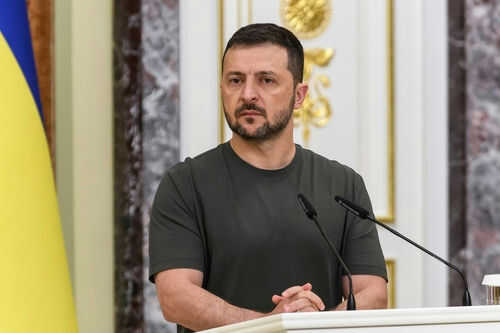
Ukrainian President Volodymyr Zelenskiy recently mocked Russia’s war effort, saying the Kremlin has set and then postponed 15 different deadlines over more than four years to take the Donbas region in eastern Ukraine. His comments answered Russian President Vladimir Putin, who had just rejected what he called a Ukrainian offer to stop long-range strikes and reduce fighting. Zelenskiy described those missed deadlines as a sign that Moscow’s leaders are overpromising victory while their troops struggle on the ground, especially in the east.[7]
Zelenskiy explained that, based on his government’s tracking, Russia set those deadlines to capture not only Donetsk and Luhansk in Donbas, but also Zaporizhzhia and Kherson. Russia has taken all of Luhansk and large parts of Donetsk and Zaporizhzhia so far. That means Moscow failed to meet its own timetables but still holds serious ground. For conservative Americans, this mix of Russian failure and Russian gains shows a long war with no side delivering a clean win, even as Washington keeps spending and talking about “plans” and “deadlines.”[7]
What Ukraine Calls Russian Failure On The Battlefield
Ukraine’s top general, Oleksandr Syrskyi, told reporters that Russia’s big spring and summer 2025 attacks were “effectively thwarted” and did not reach their goals. He said Russia had wanted a buffer zone in the Sumy and Kharkiv regions and wanted to seize Pokrovsk and all of Donetsk, but those targets were not achieved. Ukraine’s president and military leaders frame this as proof that their forces, with Western support, can block Russia from completing its map of conquest, even if the front lines move only slowly.[3]
Ukraine also points to how slowly Russia is now moving in Donetsk. Western reports say Russian troops are creeping westward there, but Ukrainian officials claim that advance has “slowed considerably” as Kyiv increases medium and long-range drone strikes on Russian targets. At the same time, Ukraine has hit Russian energy infrastructure deep inside Russia, including major oil refineries, to raise the cost of war for Moscow. Those strikes are praised by some Western leaders as “innovative,” even though attacks on energy sites can risk civilian hardship and higher fuel prices far beyond the battlefield.[3][7][20]
Russian Claims Of Momentum And The Reality Of A Grinding War
Russian leaders tell a very different story to their own people. President Vladimir Putin has said that the “strategic initiative” is in Russian hands and claims his forces are advancing along the front, including near Kostyantynivka in Donetsk. Russian military statements brag about striking Ukrainian troop sites and drone control centers, presenting these actions as proof that Ukraine is facing defeat. For Moscow, the slow pace is framed as part of a careful plan, not evidence of failure, even though their own deadlines have reportedly slipped again and again.[7][11][12]
Independent analysts, such as the Institute for the Study of War, describe Russia’s campaign as a grinding push, with small gains and heavy losses. Studies note that recent Russian advances in eastern Ukraine often measure in meters per day and are sometimes rolled back by Ukrainian counterattacks. Russia still controls major chunks of Ukrainian territory, including over 4,000 square kilometers gained in earlier campaigns, but has not managed a rapid breakthrough. This “slow bleed” style of warfare matches what experts call a protracted conflict, where neither side can end the war quickly by force or by talks.[10][17][18][21]
Information War, U.S. Aid, And What It Means For American Conservatives
Both Kyiv and Moscow are fighting a second war over information, not just land. Scholars who study long conflicts say that leaders use battlefield claims as tools to shape foreign aid, domestic support, and negotiations. When Zelenskiy talks about Russian deadlines that keep slipping, he is not only mocking Putin; he is also trying to convince Western donors that their help is working and should continue. When Putin claims his forces hold the initiative, he aims to show Russians that sacrifice and economic strain are worth it, and to warn the West that Russia will not back down.[7][12][18][23]
Ukraine's Zelenskiy mocks Russian military drive, says Moscow rejects all peace proposals https://t.co/X5YkB5KwC8 https://t.co/X5YkB5KwC8
— Reuters (@Reuters) June 30, 2026
For Americans, especially conservatives tired of endless foreign spending, one fact stands out: the United States has sent roughly $100 billion to Ukraine in a single year. That aid moves through complex channels that create financial interests and lobbying pressure in Washington. While Zelenskiy says Russia has rejected every peace proposal and wants the war to drag on, Russian officials say Western elites aim for Russia’s “strategic defeat” and use media to favor Ukraine’s side. This clash of stories makes it hard for citizens to know what is true, even as their tax dollars, energy prices, and security are on the line.[7][8][16]
Sources:
[3] Web – Zelensky faces outpouring of criticism over failure to warn of war
[7] Web – Zelensky’s Military Shake-Up Ties Him to Battlefield Performance
[8] YouTube – LIVE | Sumy Burns as Zelensky Tests Putin With Strikes …
[10] X – Ukraine’s Zelenskiy mocks Russian military drive, says Moscow …
[11] Web – Russian Offensive Campaign Assessment, June 23, 2026 | ISW
[12] Web – Russian Offensive Campaign Assessment, June 1, 2026 | ISW
[16] YouTube – Ukraine’s top military analyst breaks down Russia war in 2026
[17] Web – Timeline of the Russo-Ukrainian war (1 January 2026 – Wikipedia
[18] Web – CORRECTION: ISW has updated the Russian gains in March 2026 …
[20] Web – The Structure of International Conflict Management: An Analysis of …
[21] Web – Operational Law Handbook > Chapter 3
[23] Web – Conceptualizing Protracted Conflicts and International Law