California’s jaw-dropping superbloom is drawing huge crowds—yet a small number of “for-the-photos” vandals keep turning a natural wonder into a man-made mess.
Quick Take
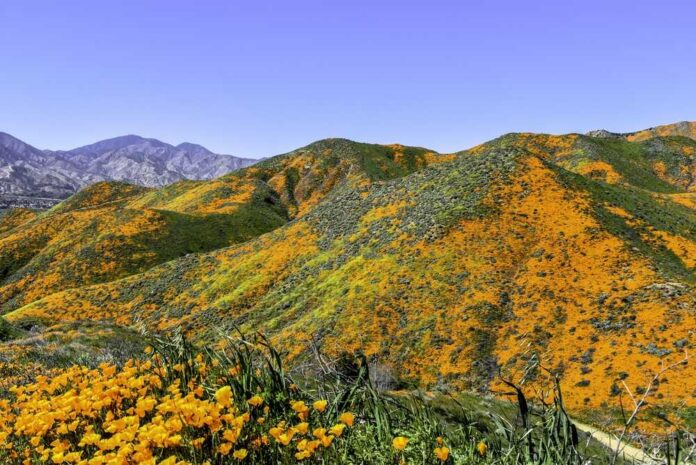
- California’s spring superbloom can blanket hillsides so dramatically that it has been described as visible from space.
- Officials and conservation advocates say trampling, off-trail hiking, and picking flowers can destroy fragile habitat and reduce future blooms.
- California law prohibits damaging or removing wildflowers on public lands, but viral social media behavior makes enforcement difficult.
- Past peak seasons have led to closures and replanting efforts, showing the damage can outlast a single weekend of tourism.
A Spectacle Big Enough for Space, Fragile Enough for Footprints
California superblooms happen when rare wet winters trigger dormant wildflower seeds across deserts and hills, producing short-lived but massive spring displays. Reports describing the bloom as visible from space underscore the scale—and the irony that something so large can be wrecked by ordinary behavior at ground level. The core problem is simple: the bloom’s popularity concentrates crowds in sensitive terrain that cannot handle mass traffic.
Visitors often arrive with good intentions, but the surge of people can overwhelm trails and basic etiquette. Conservation-focused observers have documented patterns that repeat across bloom years: people stepping into fields for selfies, picking state flowers like poppies, and creating “rogue” paths that widen over time. The result is not just a flattened patch of plants; it can be a lasting scar where seeds and soil structure are disturbed.
When “Just One Photo” Becomes a Thousand Copycats
Social media incentives magnify the damage because viral images teach newcomers exactly where and how to break the rules. Advocates behind the #Nowildflowerswereharmed message argue that posts should model responsible recreation—staying on trails, not picking, and not staging shots that require stepping into blooms. The argument is less about politics than about incentives: platforms reward eye-catching images, while land managers pay the cost of repair.
The legal backdrop is clearer than the culture around it. California rules on public lands prohibit picking or damaging wildflowers, and agencies can enforce those restrictions through citations and, in some locations, closures. Yet enforcement remains hard in sprawling landscapes with limited rangers. Even when illegal behavior is photographed and shared, the online attention can function like free advertising, drawing more visitors to the same trampled slopes.
Closures, Replanting, and the Real Cost of “Free” Tourism
Past superbloom seasons show how quickly a public resource can become unusable. When crowds create user-made trails and stomp new routes into hillsides, land managers can be forced to close access to prevent further damage. Replanting and restoration can follow, but those efforts take time and money—often borne by taxpayers and local agencies already stretched thin. That’s a familiar frustration across the country: government pays to fix what cultural irresponsibility breaks.
A Shared Civic Test: Respect Public Lands or Lose Them
In today’s climate, Americans disagree on plenty, but the superbloom issue exposes a broader, widely shared reality: institutions struggle to manage mass behavior, and ordinary citizens are left with fewer functioning public spaces. Conservatives tend to see it as a personal responsibility problem—rules exist, but too many people ignore them. Liberals often focus on environmental harm and the need for stronger protections. Both sides end up stuck with closures and diminished access.
With no single 2026 incident defining the pattern, the takeaway is structural rather than sensational. Superblooms will keep returning after the right rains, and crowds will keep following. The most practical fix is cultural: normalize staying on trails, refusing “damage-for-views” content, and treating public lands as a shared inheritance rather than a disposable backdrop. Without that shift, each “once-in-a-lifetime” bloom becomes a little less likely for the next family.
Sources:
https://modernhiker.com/use-nowildflowerswereharmed-on-your-superbloom-posts/