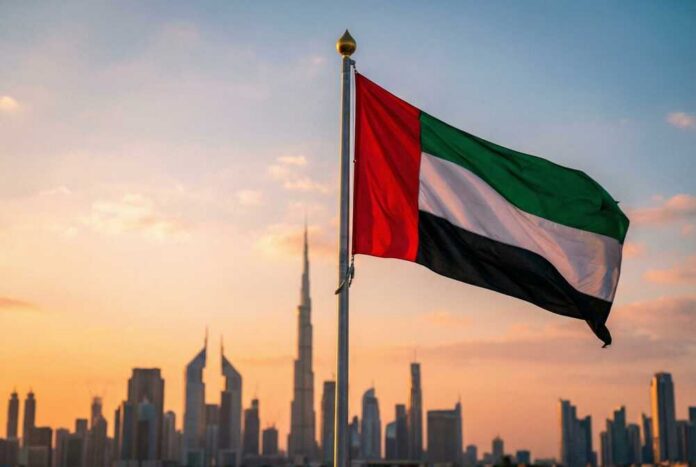
Iran launched hundreds of missiles and drones at Dubai and Abu Dhabi in a weeks-long barrage that turned luxury hotels into shelters and exposed how easily Middle Eastern oil routes can become battlegrounds when global powers clash.
Story Highlights
- Iran fired over 500 ballistic missiles and 2,200 drones at UAE cities between February and May 2026 in retaliation for US-Israeli strikes
- Three civilians killed and dozens injured from falling interception debris despite UAE air defenses stopping most projectiles
- Drone strike ignited fire at Fujairah oil hub, threatening critical energy infrastructure that bypasses the Strait of Hormuz
- Dubai hotels, airports, and residential areas damaged as tourists sheltered in place amid repeated attack alerts
Unprecedented Assault on Gulf Tourism Hub
The Islamic Republic of Iran unleashed an unprecedented multiday attack campaign against the United Arab Emirates starting February 28, 2026, hours after coordinated US-Israeli airstrikes hit Iranian targets. The assault targeted Al Dhafra Air Base in Abu Dhabi, where American forces maintain a significant presence, but debris from intercepted missiles killed one Pakistani civilian near Zayed International Airport and injured seven others. By April 9, UAE Ministry of Defence confirmed intercepting 537 ballistic missiles, 2,256 drones, and 26 cruise missiles. The sheer scale represents a new threshold in regional conflict, bringing warfare directly to cities known worldwide for luxury tourism and business.
Civilian Casualties From Defense Success
UAE’s advanced THAAD and Patriot air defense systems prevented direct hits on populated areas, yet the interception strategy created its own hazards. Falling debris struck the Fairmont The Palm Hotel on Dubai’s iconic Palm Jumeirah in late March, injuring four guests. Two civilians died and three suffered injuries from shrapnel in early March attacks. A drone penetrated defenses at Dubai’s City Walk district, causing a contained fire, while debris damaged the lower floor of the Burj Al Arab. The paradox underscores a troubling reality: even successful military defense leaves ordinary people vulnerable when governments use populated cities as strategic chessboards.
Strategic Energy Infrastructure Under Fire
On May 4, an Iranian drone ignited a massive fire at Fujairah’s petroleum zone, injuring three Indian nationals and sending global energy markets into turmoil. Fujairah serves as a critical oil export terminal bypassing the Strait of Hormuz, making it invaluable for Gulf states seeking alternatives to Iran’s potential chokepoint. The same day saw a cargo ship catch fire off the coast as multiple alerts echoed through Dubai and Abu Dhabi within three hours. Flights were grounded at Dubai International Airport and Zayed International Airport, stranding tourists and business travelers. JS Anand, CEO of Leva Hotels, described “panic and uncertainty” as guests cancelled reservations across the emirate.
Retaliation Cycle Threatens Fragile Ceasefire
Iran’s strikes aimed to punish the UAE for hosting US military bases and supporting Israeli-American operations against Iranian targets, according to statements from the Islamic Revolutionary Guard Corps. A UAE presidential advisor dismissed the attacks as failures, noting Iran “missed its target” despite launching hundreds of projectiles. Yet the sustained campaign through May reveals Tehran’s willingness to escalate asymmetric warfare using relatively cheap drones and missiles against expensive defense systems. The fragile Gulf ceasefire, already strained before these attacks, teetered near collapse as residents questioned whether their government’s alliance with Washington justifies turning Dubai into a conflict zone. For Americans watching from home, the spectacle confirms what many already suspect: elite foreign policy decisions in Washington create chaos that ordinary citizens worldwide pay for with their safety and livelihoods.
MISSILES FIRED AT DUBAI
VESSELS ATTACKED IN STRAIT
SHIPPING CONFUSION
FERTILIZER FEARS
OIL JUMPS— Citizen Watch Live (@Citizenwatchrep) May 4, 2026
The broader implications extend beyond immediate casualties. Energy markets reacted to the Fujairah strikes with oil price jumps, reminding consumers that renewable energy mandates have left Western nations vulnerable to Middle Eastern instability. Tourism, a cornerstone of Dubai’s economy, faces long-term damage as travelers reconsider destinations where missile alerts interrupt hotel stays. Indians comprised a significant portion of casualties, reflecting the expatriate workforce that keeps Gulf economies running while bearing the risks of conflicts they didn’t choose. Both the political left, concerned about vulnerable migrant workers, and the right, frustrated by entanglements in foreign wars, find common ground questioning why American military presence abroad continues generating blowback that disrupts global stability and energy security.
Sources:
Dubai Airport Iran Missile Attack UAE Abu Dhabi – The Independent
Iranian Drone Strike Ignites Massive Fire at UAE’s Fujairah Oil Hub – Times of India