Seoul’s plan to “lock down” a historic public square for a pop concert is testing how far government power should go—even when the cause is crowd safety.
Story Snapshot
- BTS is returning to the stage with a free, hour-long concert at Gwanghwamun Square in Seoul on March 21, 2026, their first group performance since 2022.
- The event is being livestreamed on Netflix and is tied to the release of BTS’s fifth studio album, ARIRANG, which dropped March 20.
- Officials prepared extensive security measures, including major street closures and transit disruptions, citing safety concerns after past crowd tragedies.
- Ticketing was limited and moved fast, while crowd estimates for the surrounding area ranged roughly from 200,000 to 260,000 people.
A Massive Comeback Concert Meets a Massive Security Footprint
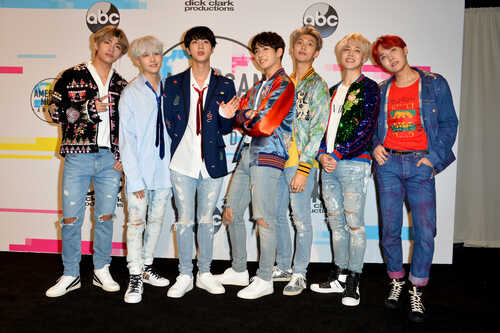
BTS is set to hold a free, hour-long comeback concert at Gwanghwamun Square in central Seoul at 8 p.m. KST on March 21, 2026. The performance marks the group’s first concert since 2022, after all seven members completed South Korea’s mandatory military service. Organizers tied the show to the March 20 release of BTS’s fifth studio album, ARIRANG, positioning the event as both a reunion and a launchpad for what comes next.
South Korean authorities treated the concert as a high-stakes crowd-management operation. Reports described extensive controls around Gwanghwamun, including long street closures, transit interruptions, and heightened security screening intended to prevent overcrowding and related risks. The approach reflects a post-Itaewon environment where public officials face pressure to avoid another catastrophe. At the same time, the scale of restrictions raised questions about whether shutting down major civic space for a private entertainment event is proportionate.
Military Service Ends, Global Touring Begins
The comeback is possible because BTS’s service-era interruption is now complete. The group began enlistments in 2022, with members serving sequentially, and the final completion reported in 2025. During the hiatus, members pursued solo work while the parent company planned a large return. The new album is described as a 14-track release with a lead single titled “SWIM,” with reporting indicating recording work took place in Los Angeles and preorders began earlier in 2026.
The comeback concert also serves as the public kickoff to a major world tour. Reporting described an 82-show global run, with large venues planned and early ticket demand moving quickly in initial markets. That scale matters because it places BTS’s return in a business and logistics category few acts can match. For U.S. readers used to seeing major events strain security resources, the Seoul rollout offers a familiar lesson: when crowds get enormous, planning becomes as important as the music.
Netflix Livestream and a Carefully Built National Symbol
Netflix is livestreaming the concert, with reporting framing it as a milestone for Korean live-event broadcasting on the platform. Production details highlighted a major TV-style buildout, including a director known for handling large global events. BTS and organizers also leaned into heritage imagery: Gwanghwamun Square sits beside Gyeongbokgung Palace, and descriptions of staging referenced a symbolic procession and the cultural weight of “Arirang,” a traditional Korean folk song that carries national significance.
Public Space, Public Order, and the Limits of “For Your Safety”
Gwanghwamun Square is not just a concert venue—it is a civic space that has hosted protests, national mourning, and political demonstrations. That history is why the venue choice is meaningful and why the security posture draws scrutiny. Some reporting captured criticism that heavy controls undercut the square’s public symbolism, even as officials argue safety measures are necessary. With crowd estimates varying by outlet, the public is left weighing inconvenience and restrictions against risk management.
From a conservative, common-sense lens, the key issue is consistency and accountability. When governments claim extraordinary controls are justified “for safety,” citizens should expect clear rules, narrow scope, and transparency—especially when the restrictions affect small businesses, commuters, and public access. The reporting available does not provide a full public accounting of decision thresholds or alternative planning options, so the debate is likely to continue well after the final song.
What is clear is that BTS’s return is being treated as both cultural diplomacy and commercial spectacle. Government leaders praised the moment as a global “soft power” win, while organizers positioned the group as ambassadors of Korean identity. For viewers outside South Korea, the livestream will highlight the performance. For Seoul residents living through closures and disruptions, the bigger story may be how quickly public life can be fenced off when officials and corporations decide an event is “too big to fail.”
Sources:
BTS returns with comeback concert in Seoul after four-year hiatus
BTS Seoul concert: palace production and livestream