Australia’s “one-month” fuel warning is a hard reminder of what happens when a modern nation outsources energy security and then meets a real-world geopolitical shock.
Story Snapshot
- Australia’s fuel supply outlook tightened after Iran blocked the Strait of Hormuz, a route tied to roughly 20% of seaborne oil shipments.
- Government released hundreds of millions of litres from reserves and temporarily relaxed fuel quality rules to boost supply.
- Australia keeps only about 26–29 days of fuel in storage and relies on imports for roughly 90% of its refined petroleum.
- Prices jumped about 50 cents per litre across major cities in a matter of weeks, while regional areas saw localized shortages.
Middle East Disruption Exposes Australia’s Thin Fuel Buffer
Australia’s fuel squeeze accelerated after fighting erupted on February 28, 2026, followed by Iran blocking the Strait of Hormuz, a critical chokepoint for global energy flows. Australian officials described the situation as a national crisis because the country does not produce enough refined fuel at home and depends on steady maritime deliveries. Even with ships still reaching ports, the combination of disrupted global supply and sudden demand spikes created visible stress in parts of the fuel network.
Energy Minister Chris Bowen announced the release of up to 762 million litres of petrol and diesel from domestic reserves, aiming to bridge the immediate gap while global shipping and supply routes remain uncertain. The government also temporarily lowered fuel quality standards for 60 days to allow higher-sulphur fuel sales, a move expected to add roughly 100 million litres a month to the market. Bowen said panic buying, rather than total depletion, has been a major driver of regional shortages.
Import Dependence and Refinery Closures Drive the Vulnerability
Australia’s exposure is structural, not just the result of one overseas crisis. The country once maintained far deeper fuel back-up capacity—reported at 310 days in 2002—but that cushion has eroded over decades. Australia historically operated eight refineries and now has only two: Viva Energy in Geelong and Ampol Lytton in Brisbane. With domestic oil resources largely exhausted and cheaper refining available overseas, Australia shifted toward importing finished fuel instead of making it locally.
That tradeoff looks riskier when international shipping lanes become contested. Australia imports roughly 90% of its refined petroleum products from South Korea, Singapore, Malaysia, and Taiwan, which means the country’s day-to-day mobility depends on uninterrupted maritime logistics and stable international markets. After Russia’s invasion of Ukraine, policymakers introduced Minimum Stock Obligations to slow the decline in reserves. The research indicates those steps slowed the slide but did not restore a robust buffer against shocks.
Prices Surge, Regional Shortages Grow, and Food Supply Concerns Emerge
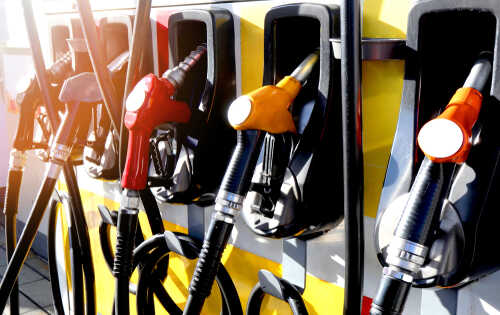
Households felt the crisis quickly at the pump. Between late February and mid-March, average petrol prices across Australia’s five largest capital cities rose from about $1.69 to $2.19 per litre—nearly a 50-cent jump in a short window. In regional areas, distributors reported empty tanks and delayed replenishments, an outcome officials tied partly to panic buying. The split between “fuel exists somewhere” and “fuel is available locally” became a central problem.
Rationing Talk Meets Political Finger-Pointing and Policy Limits
Experts warned that rationing could become necessary if the international situation deteriorates or if demand continues to surge, but Bowen said the government does not currently foresee needing rationing. Opposition Leader Angus Taylor argued the crisis reflects deeper fuel-security mismanagement and inflation pressures, while One Nation MP Barnaby Joyce blamed climate and environmental settings that critics say constrained domestic energy options. The available reporting documents these competing claims, but it does not resolve them with audited, long-term policy modeling.
Australia Has One Month Before Energy Crisis And Fuel Rationing https://t.co/ycGSSfeOGb
— zerohedge (@zerohedge) March 19, 2026
The immediate question is whether Australia can stabilize supply within the roughly 30-day window Bowen referenced, especially if conditions in the Middle East worsen. The longer-term question is harder: a nation operating with roughly 26–29 days of fuel storage and only two refineries has limited room for error. The documented emergency steps—reserve releases and temporary fuel-standard changes—can buy time, but they also underscore how quickly normal life is threatened when a country’s energy supply chain becomes a just-in-time system.
Sources:
Could Australia run out of petrol