Soaring everyday costs now dominate the midterms, and voters will punish whoever they trust least to fix it.
Story Highlights
- Nearly half of voters say cost of living will decide their vote, making prices the race’s core battle.
- Democrats built a midterm message around “affordability,” naming housing, energy, groceries, health care, and caregiving.
- President Trump pitched a $5,000 “dividend” tied to tariffs, while critics questioned its path and details.
- Republicans rushed cost-of-living votes to show action, signaling both parties must answer on prices.
Affordability Becomes the Midterm Decider
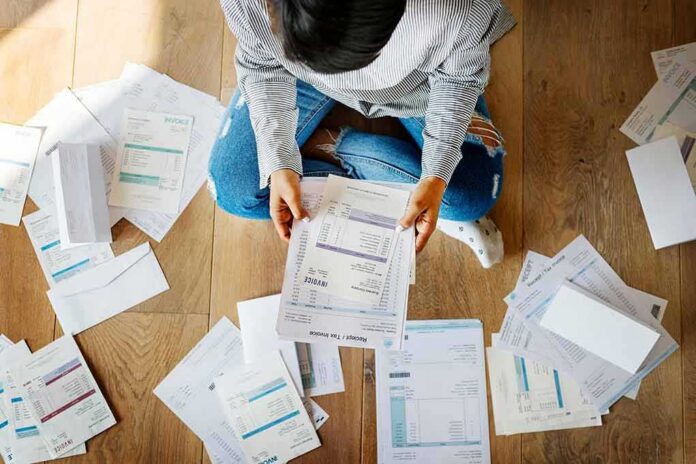
Business Insider reported that forty-seven percent of registered voters rank cost of living as their top voting factor. That makes prices the most important issue for many families this fall. The New York Times also said inflation and living costs are driving campaigns in both parties. Candidates know people feel the squeeze at the pump, in the checkout line, and on rent. Voters want straight answers on how to cut bills now, not vague talk or party spin.
Polls show frustration with rising prices is not abstract. The Associated Press and the National Opinion Research Center reported low approval for cost-of-living handling and high worry about fuel and food costs. That pain crosses party lines. Voters often judge leaders on what they pay each week, not on policy debates in Washington. That reality makes affordability a high-risk, high-reward fight for both parties this year.
Democrats Center Message on Five Cost Buckets
House Democratic leader Hakeem Jeffries said his party will make the “affordability crisis” a top priority and outlined five areas: housing, health care, energy and utilities, groceries and goods, and caregiving. Democrats argue these buckets match daily life pressures. The Los Angeles Times said Democrats are campaigning in a more practical tone on prices and basic costs, seeking to win trust on the economy’s kitchen-table impact. Their goal is to claim they have the clearer, faster plan.
Democratic attacks target tariffs and follow-through. Reports said Democratic leaders blamed Trump’s tariffs for raising construction costs and pressed for immediate housing steps. They also said some White House ideas lacked details needed to deliver near-term relief. Those lines aim to paint Republicans as out of touch on working-class bills. The message bets that voters reward clear methods and proof over broad promises that are not yet written into law.
Republicans Push Signals and Compete on Price Relief
The New York Times reported Republicans staged last-hour cost-of-living votes before the recess to show they are trying to cut prices. That move admits the obvious: no party can duck affordability this cycle. Business Insider highlighted specific Republican pitches, like a push to restrict diesel exports to lower domestic prices and a housing plan focused on down payment help, lower rates, and more construction supply. Those ideas stress production, supply, and faster permitting to bring costs down.
Conservative groups also promoted red-tape cuts and expanded energy output as a path to lower prices, which aligns with limited government and pro-production values. These plans speak to supply-side fixes many readers support. They aim to reduce barriers that make housing scarce, electricity expensive, and groceries cost more to move and cool. The challenge is speed. Families feel price pain now. Any plan must show when and how bills drop, in months, not years.
Trump’s $5,000 Tariff Dividend Pitch and the Credibility Test
President Trump proposed a $5,000 payment to every adult citizen if Republicans win, funded by tariff-driven gains and spent inside the United States. The idea reframes tariffs as a way to return money to households while boosting domestic demand. It signals action big enough to matter to family budgets. Skeptics asked about the payment’s legal route, funding flow, and timing. Without those details, opponents say it is not yet a plan families can bank on this year.
Both parties face a simple accountability bar. Voters will ask who can lower housing, energy, food, and health costs in a real and near-term way. Republicans gain ground when they show supply growth, faster builds, cheaper energy, and fewer fees. Democrats gain when they show concrete steps by category, with dates and dollars. The side that pairs clear mechanics with visible price relief will likely win trust. The side that talks without delivery will pay at the polls.
Sources:
businessinsider.com, nytimes.com, wionews.com, pbs.org, foxnews.com, ap.org