A little-known war insurance program sent nearly $5 billion to private insurers while a Labor Department memo warned it was “ripe for potential fraud.”
Story Snapshot
- Taxpayers reimbursed insurers nearly $5 billion over about a decade under a war-hazard program.
- A Labor Department review warned the system was vulnerable to fraud and profit-seeking.
- A former program leader estimated 10% to 15% of payouts may be improper, though the true number is unknown.
- The Labor Department inspector general praised claims processing controls but did not measure fraud losses.
Billions Flowed Through an Obscure Reimbursement Pipeline
Investigations reported that private insurers received nearly $5 billion in government reimbursements tied to civilian workers harmed in war zones over roughly a decade. The funding moved through a narrow federal channel designed to cover “war hazards” after the fact. The program’s structure shifts risk to taxpayers and rewards insurers once claims are approved. That design raises exposure. Even a modest rate of bad payments would mean losses in the tens or hundreds of millions.
The scale alone should get attention. Federal watchdogs across government have long warned that reimbursement models are prone to waste if audits lag. Here, the press accounts describe a program most Americans have never heard of, yet it moves large sums with limited public transparency. When Americans pay more at the pump and the grocery store, they expect every federal dollar to be guarded, not poured into black boxes run by middlemen.
Labor’s Own Memo Flagged Fraud Risk and Weak Evidence
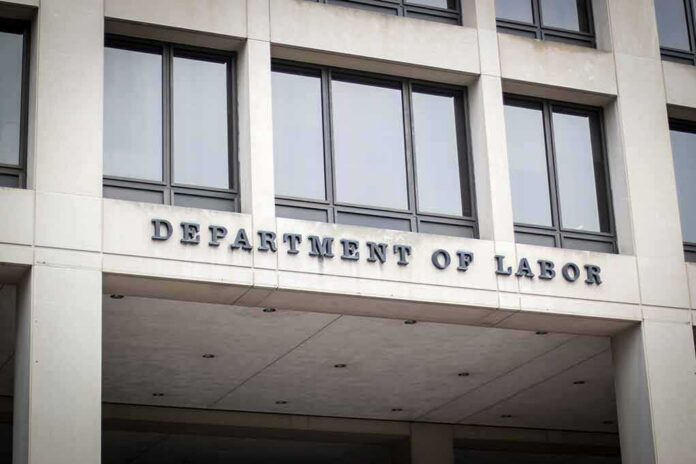
According to reporting, an internal Labor Department memo called the system “ripe for potential fraud or, at the very least, gamesmanship for profit.” Officials reportedly said insurers stopped deep investigations because the government often reimbursed war-hazard claims with “scant or unreliable evidence.” That is a red flag. Weak evidence standards invite abuse, delay care for truly injured workers, and drain taxpayer funds. The department did not release the memo, limiting public review.
A former senior overseer estimated that 10% to 15% of payments may stem from graft, overbilling, or other improper causes, which would mean upwards of a hundred million dollars a year. That figure is an estimate, not a confirmed audit total. Still, it shows clear risk within the program’s design. Earlier reporting also described cases where insurers allegedly received reimbursements for fraudulent claims and delayed care for real injuries. These are serious claims that demand follow-up.
Insurers Cite Compliance; Inspector General Praised Processing Controls
Insurers pushed back. One major carrier said it processes legitimate claims, follows the law, and noted that the Labor Department approved its reimbursements. Those points matter. Approval shows the government signed off. It does not, by itself, prove that the system weeds out all waste. Another carrier earlier denied making false statements and said its staff act ethically and fairly. These statements show how complex the picture is and why hard audits are needed.
The Department of Labor’s inspector general reviewed the War Hazards Compensation Act claims function and said it used a thorough method to process and pay claims. The office also said the backlog came from more claims after eligibility expanded, not a process failure, and that cases were backed by detailed documentation. That is reassuring on process. It does not settle the larger money question because the review did not calculate the true improper-payment rate.
What Congress and the Administration Should Do Now
Congress should order a statistically sound audit of paid reimbursements. Auditors should sample claims, verify injury eligibility, check medical necessity, and reconcile insurer invoices. They should estimate overpayments with confidence ranges and name root causes. Lawmakers should also seek the full internal memo and work papers. Sunlight will help separate needed care from padded bills and will protect workers, contractors, and taxpayers alike.
hot take as a service member here
i kind of agree with Fenix
too many do-nothings in non-com office jobs stub their toe and get 100% working disability for life because the system was (and probably still is) easy to game and cheat.i was in a non-com MOS my entire career;… https://t.co/Zcl3nLH3QP
— Lars Sadbro | 🌠🎀| 🔔🕊 (@lars_artbro) November 14, 2026
President Trump’s team should tighten evidence rules, stop paying litigation costs that fight legitimate claims, and claw back bad payments. Agencies should suspend reimbursements when documentation is thin and refer suspect files to the Department of Justice. Every dollar wasted is a dollar not spent on border security, veterans, debt relief, or energy projects that lower prices. Limited government means tight controls, not blank checks for insurers or any other middleman.
Sources:
militarytimes.com, politicalbytes.net, propublica.org, news.linxi.com.au