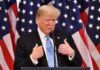
After death threats tied to Iran, Treasury Secretary Scott Bessent left his Georgetown home for a U.S. military base and told CNBC, “F the Iranian leadership,” signaling the administration will not back down.
Story Highlights
- Bessent relocated to a military base after threats linked to Iran, according to multiple reports.
- He confirmed the move, saying he followed Secret Service guidance and blasted an online photo that revealed his home.
- Reports say the New York Times first noted the move; other outlets detailed an aerial image that enabled geolocation.
- Media accounts describe advancing Iranian efforts to target U.S. officials, adding urgency to security steps.
Relocation To A Military Base After Reported Iranian Threats
Reuters and CBS News reported that Treasury Secretary Scott Bessent moved from his Washington, D.C.-area residence to a U.S. military base after threats against his life linked to Iran. The reports said authorities treated the risk as serious. The move came as the New York Times first noted the relocation. Bessent has led pressure on Iran’s economy as part of President Trump’s strategy. That role made him a clear, high-profile target in ongoing tensions, according to media accounts.
Bessent later confirmed the move on CNBC, saying he followed United States Secret Service guidance and left his home for a base. He said the Wall Street Journal ran an online aerial image that allowed people to identify his Georgetown address, heightening concern for his family’s safety. CNBC reported the image enabled geolocation and identified the home as a mansion purchased in January 2025. His on-record confirmation grounded the security steps in a direct account from the cabinet official.
Why His Role Made Him A Target And How Security Tightened
NBC News and USA Today reported that Bessent is central to the administration’s effort to apply tough economic pressure on Iran, which may explain why threat streams focused on him. The BBC reported the New York Times described an Iranian effort to target current and former U.S. officials as reaching a “more advanced stage,” underscoring the need for added protection. Those facts help explain why security officials urged a swift move. They reflect a pattern of hostile activity that U.S. authorities have tracked in recent years.
CNBC, Reuters, and CBS News reported the aerial image in an online article made it possible to pinpoint Bessent’s Georgetown residence. Reports linked the spike in concern to that publication, though they did not claim to prove a direct cause. What is clear is that agents acted to reduce risk. Bessent’s comments framed the image as a dangerous choice by the outlet, given rising threats from a foreign adversary that targets American officials.
What This Means For Security, Free Press, And Deterrence
Officials must protect lives first when hostile regimes probe for soft targets. In this case, Bessent said he followed the Secret Service and moved, and the press reports described the threats and the online photo that exposed his home. The administration’s duty is to guard its people and keep pressure on bad actors. Bessent’s defiant message — refusing to be cowed by Tehran’s leadership — fits that duty while signaling resolve to allies and foes.
Media outlets noted that many reports rely on unnamed sources for threat details, and public records about the specific actors or plot are not disclosed in those accounts. Still, the pattern of Iranian-linked targeting of U.S. officials, described by major outlets, offers context for the protective steps now taken. For readers, two things are certain: security moved fast, and the administration says the pressure campaign will continue. As Bessent put it, this cabinet will not be deterred.
Sources:
youtube.com, reuters.com, bbc.com, nbcnews.com, washingtonexaminer.com, upi.com, rawstory.com