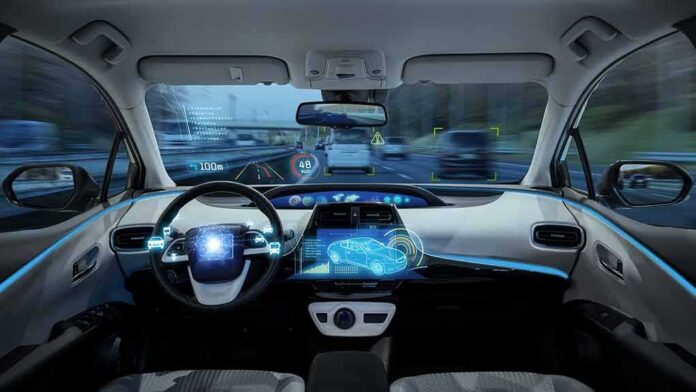
California called Waymo’s driverless freeway service an “imminent hazard,” and the company pulled robotaxis off highways nationwide the same week.
Story Highlights
- California barred Waymo’s driverless cars from freeways after repeated work-zone incursions.
- Reports cite three cars entering a U.S. 101 construction closure and a Highway 280 traffic-break incident.
- Waymo paused driverless freeway rides across all markets while it reviews performance.
- No injuries or collisions were reported in the U.S. 101 events, according to Waymo.
DMV Restriction Cites Recurring Construction-Zone Failures
California’s Department of Motor Vehicles said Waymo’s driverless freeway operations pose an “imminent hazard” after recurring incursions into active construction zones with workers and equipment present. The agency’s action followed incidents in which three Waymo vehicles entered a U.S. 101 construction closure near Burlingame. The restriction blocks operation and testing of driverless Waymo vehicles on state freeways and took effect November 11. The agency also referenced similar events earlier in the year, signaling a repeated failure mode.
California’s account also cites a separate Highway 280 incident where a Waymo vehicle attempted to pass California Highway Patrol vehicles during a traffic break. The available reports do not include the patrol’s full incident file or camera footage. Still, the agency framed these events as urgent and linked them to earlier problems noted in May. That pattern moved the response from caution to a formal prohibition on freeway driverless use across the state.
Waymo Pauses Freeway Rides Nationwide, Cites Safety Review
Waymo said the U.S. 101 encounters caused no injuries or crashes and that safety is the foundation of its operations. After California’s action, the company paused driverless freeway rides across all markets to evaluate performance. Waymo said it continues to offer rides on surface streets and is working with California officials to resume freeway service. The company also continued freeway testing with trained specialists behind the wheel while it assesses software and operations.
Waymo did not dispute the core description of the construction-zone and traffic-break incidents in its public statements. Instead, the company stressed that it is taking precautionary steps and that its surface-street operations remain active. That stance leaves the state’s account as the prevailing public narrative for the freeway ban, while positioning Waymo’s pause as a voluntary review rather than an admission that its system is unsafe in all contexts.
What This Means For Drivers, Workers, And Public Safety
Drivers and road crews expect clear, cautious behavior near cones, barriers, and flashing lights. California demanded proof that a driverless system can handle messy, changing work zones and emergency traffic control. The lack of injuries in the U.S. 101 events matters, but the risk to workers in a live closure is real even without a crash. The state moved to stop freeway operations first, then seek fixes and verified test results before allowing a return.
WAYMO PULLS ROBOTAXIS OFF FREEWAYS NATIONWIDE AFTER CALIFORNIA BAN
California's DMV called Waymo's driverless freeway rides an "imminent hazard to public safety" after its cars entered an active construction closure on US 101 and tried to pass CHP vehicles on Highway 280. Waymo…
— Market Intel (@TMA_MarketIntel) November 18, 2026
Conservatives should watch two things next. First, will regulators release the full evidence so the public can judge the “imminent” claim beyond headlines? Second, will companies show hard data that their software can read temporary signs, cones, and patrol patterns under stress? Transparent records and measurable targets protect both safety and innovation. That balance keeps roads safe, stops bureaucratic drift, and still lets new tech prove itself on merit, not hype or politics.