Texas’ governor-elect vows to reopen state hiring to foreign visa workers, setting up a clash over whether taxpayer-funded jobs should go to Texans first.
Story Snapshot
- Governor-elect Gina Hinojosa says she will end Texas’ freeze on new H-1B petitions at state agencies and public universities.
- Governor Greg Abbott’s order paused new H-1B filings by covered public employers through May 31, 2027, with case-by-case exceptions.
- Abbott said abuses in the federal H-1B program risk displacing American workers in taxpayer-funded roles.
- The directive never applied to private businesses and allowed written-permission exceptions via the Texas Workforce Commission.
What Hinojosa Plans To Undo
Governor-elect Gina Hinojosa said she will lift Governor Greg Abbott’s freeze on new H-1B visa petitions by Texas state agencies and public universities. Her team argues the freeze limits recruiting for hard-to-fill roles at public institutions. Reporting on her comments frames the change as an early-day priority after inauguration. The shift would remove a key control that steered public employers to consider Texans first or justify exceptions under the current rule.
Hinojosa’s stated view is that if abuses exist, the state should fix them with oversight, not a broad pause on new petitions. Her move would signal a different balance between recruiting flexibility and worker protection in public jobs. Supporters of lifting the freeze say state universities and agencies need access to specialized skills. They claim a blanket pause can slow research, health care, and technology efforts on campus and in state services.
What Abbott’s Freeze Actually Did
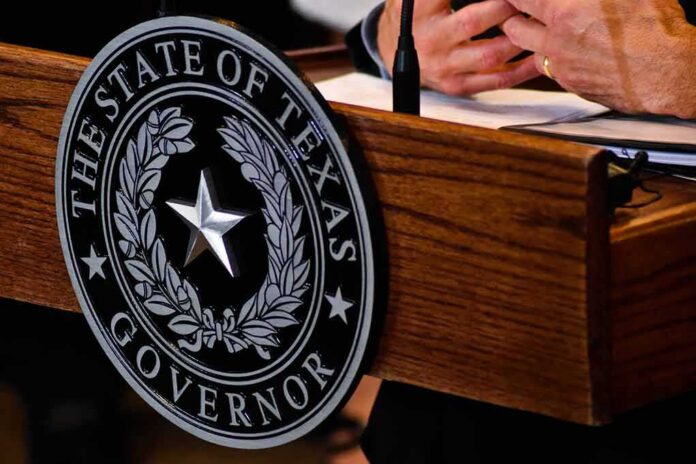
Governor Abbott’s January 27, 2026 letter instructed covered state agencies and public higher education institutions not to initiate or file new H-1B petitions without written permission from the Texas Workforce Commission. The pause was set to run through May 31, 2027. The rule did not touch private companies. It created a permission path for unique needs, so public employers could still seek a waiver when they could show a clear skills gap or urgent mission need.
Abbott paired the pause with a data and oversight push. He directed public employers to report their recent H-1B activity, including petition counts and job details, to support a review. He presented the measure as a way to protect taxpayer-funded jobs while state leaders examined how the federal program was used inside Texas government and schools. He framed the policy as a lead-by-example standard for public payrolls.
Abbott’s Rationale: Protect Taxpayer-Funded Jobs
Abbott cited reports of H-1B abuse, including claims that some employers skip good-faith recruiting of American workers or replace them with visa holders at lower pay. He argued public employers should not rely on foreign labor when Texans can do the work. He said the pause would prevent misuse and keep H-1B requests focused on truly specialized roles. He also stressed that exceptions remained available for proven needs during the review period.
TEXAS GOV.-ELECT GINA HINOJOSA VOWS TO REVERSE ABBOTT’S H-1B VISA HIRING FREEZE, ACKNOWLEDGING PROGRAMME ABUSES WHILE CITING INTERNATIONAL TEACHERS’ ROLE IN ADDRESSING SCHOOL STAFFING SHORTAGES.@GinaHinojosaTX pic.twitter.com/8BjO3zrsTq
— GistCity News Inc. (@GistCityNews) November 21, 2026
The governor’s office underscored that the freeze was targeted, temporary, and limited to state entities. That design sought to avoid disrupting the private sector while Texas gathered facts and set guardrails. For critics of the H-1B system, the step aligned with common-sense priorities: protect local workers, raise transparency, and stop any pipeline that lowers wages or replaces Texans in roles funded by their taxes.
What Lifting The Freeze Could Mean
Ending the pause would make it easier for state agencies and public universities to file new H-1B petitions without first clearing the workforce commission gate. Supporters say this could speed hiring for researchers, health professionals, and technical staff. Opponents warn it risks bringing back practices that can undercut Texas workers or depress pay. Because private-sector employers were never covered by the freeze, any change mainly affects government and higher education hiring.
The policy choice will test whether Texas continues a “Texans-first” standard in public hiring or shifts toward quicker access to foreign-skilled labor. For conservative readers, the stakes are clear: taxpayer dollars, wage pressure, and control over who fills sensitive roles at public institutions. If Hinojosa proceeds, lawmakers and watchdogs will likely press for tight reporting and safeguards to ensure state jobs do not sideline qualified Texas workers.
Bottom Line For Texas Families
Hinojosa’s vow sets up a clean policy fight. Abbott’s freeze was narrow but firm, with a safety valve for special skills. Hinojosa wants to remove that gate and restore direct filings. Texans who care about strong wages, fair hiring, and responsible use of public money should watch how any reversal handles oversight. If the gate goes away, transparency, wage protections, and proof of true skill shortages must carry the load instead.
Sources:
facebook.com, gov.texas.gov, abcnews.go.com