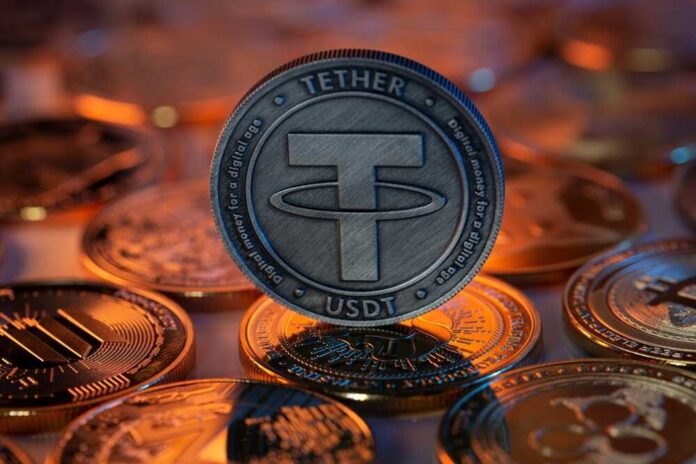
As the Genius Act continues its journey through Congress, technology enthusiasts and wary investors alike watch closely—how will this legislation redefine the landscape of cryptocurrency regulation and innovation?
At a Glance
- The GENIUS Act is a major regulatory framework for stablecoins in the U.S., passed with bipartisan support.
- The Act restricts stablecoin issuance to only certain qualified entities.
- Circle, the USDC issuer, is set to benefit, while Tether faces challenges due to its practices.
- The Act could lead to a shift in liquidity and impact Federal Reserve’s liquidity management.
A New Era for Stablecoins
The GENIUS Act, passed by the Senate with a 68-30 bipartisan vote, marks a pivotal moment in regulating U.S. stablecoins. It seeks to end the unregulated crypto finance era, aiming for enactment by 2025. The Act includes stringent requirements for issuers, demanding reserves in high-quality liquid assets, monthly public disclosures, certifications from CEOs/CFOs, and annual audits.
David Sacks just said the quiet part out loud
The GENIUS Act was written by the banking industry to keep stablecoin issuers uncompetitive with legacy system products pic.twitter.com/nqZeWDISgT
— Pledditor (@Pledditor) June 21, 2025
Stablecoin issuers must operate as transaction mediums without paying interest, a move aimed at strengthening financial stability.
This legislation limits the issuance to subsidiaries of insured depository institutions, federally qualified issuers, or state-chartered issuers with market caps under $10 billion. These restrictions are supposed to foster a stable environment for innovation while ensuring investor protection. The impact on some major players is significant; Circle, issuer of USDC, already complying with many mandates, stands to gain, whereas Tether must address its reserve practices and lack of full audits, putting 66% of the global market at risk.
Watch a report: What are stablecoins and how does the GENIUS Act regulate them?
Market Implications and Challenges
The GENIUS Act promises far-reaching market implications. The introduction of stringent compliance frameworks could lead to a shift in liquidity toward compliant stablecoins, affecting both capital pools and blockchain dominance. With institutional adoption picking up pace, the stablecoin market is projected to soar between $2-$3.7 trillion by the decade’s end. Corporate interest from heavyweights like Walmart and Amazon is fueling similar optimism, exploring branded stablecoins that capitalize on compliant infrastructures like Ethereum and XRP Ledger.
“This ‘Tether Loophole’ has drawn scrutiny from regulators, including New York Attorney General Letitia James, who warned that the bill allows foreign issuers like Tether to operate without sufficient safeguards.” New York Attorney General Letitia James – ainvest.com
However, critics, including Attorney General Letitia James, highlight potential loopholes for foreign issuers like Tether, calling for tighter protections. This shortfall brings attention to unregulated foreign entities possibly operating with insufficient safeguards, pushing for further tightening or clarification. This critical spotlight on the Genius Act’s enforcement reveals ongoing friction between encouraging innovation and fortifying consumer protection.
A Pathway to the Future
Many are asking how exactly deregulation will benefit the burgeoning crypto sector. By tying issuance to U.S. Treasury demand, the Act stands to significantly influence Federal Reserve’s liquidity management, complicating the delicate balance of economic growth and inflation controls. Unfazed by these potential pitfalls, digital asset custodians and exchanges are primed to meet Know Your Customer (KYC), Anti-Money Laundering (AML), and sanctions law requirements.
“As the Genius Act makes its way through Congress, many are wondering how this bill would help deregulate the crypto sector. One America’s Nathaniel Mannor explains.” Nathaniel Mannor – oann.com
Despite limited offline adoption, online and cross-border payment advantages present stablecoins as the future currency medium. As the debate rages on, these virtual currencies could reshape economic dynamics.