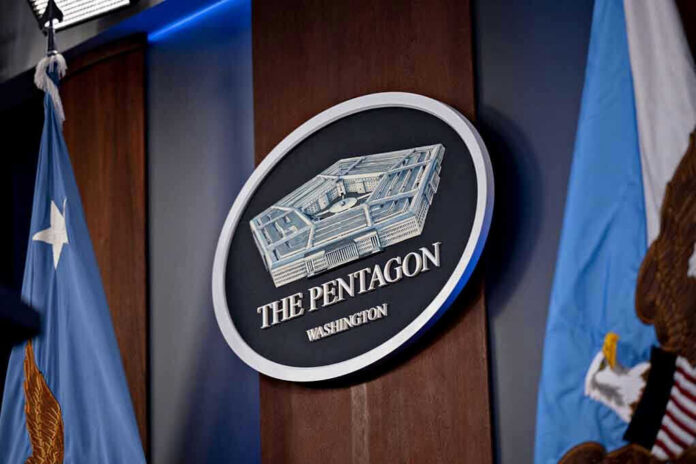
“Diversity is not our strength — unity is” now guides Pentagon policy as Secretary Pete Hegseth slashes brass, scraps DEI, and centers merit to rebuild warfighting.
Story Highlights
- Hegseth cut 20% of generals and admirals and launched a new drone command.
- Defense speeches pledged color‑blind, merit‑based standards and removal of DEI content.
- Supporters say restored discipline and unity improve readiness and deterrence.
- Critics warn the cuts and anti‑DEI stance could hurt morale and retention.
Hegseth’s Core Shift: Merit Over Quotas, Unity Over Division
Defense Secretary Pete Hegseth told troops the department is removing diversity, equity, and inclusion content, ending quotas, and basing recruitment, retention, and promotion on performance. He said standards will be color blind and focused on readiness and lethality, and that the force must rally around shared purpose, not identity blocs. The message is simple for warfighters: one team, one mission. That shift answers years of complaints that social agendas crowded out training and discipline.
Hegseth framed the change around unity as the true source of strength, rejecting the old slogan that diversity itself delivers combat power. He said unity, fairness, and equal treatment set the conditions for trust in the ranks. That stance resonates with many service families who watched standards bend and politics seep into the barracks. It also aligns with long American traditions that judge a soldier by skill, grit, and honor, not skin color or trend‑chasing buzzwords.
Concrete Moves: Cutting Brass, Building Lethality
At Marine Corps Base Quantico, Hegseth announced a new autonomous warfare command and confirmed a 20% cut to general and flag officer billets. He linked these steps to faster decision cycles, fewer layers, and clearer accountability. He said the warrior ethos is revived and deterrence is back, with leaders expected to win, not manage decline. The reorganization aims to shift money, talent, and time from bureaucratic overhead to training, munitions, and combat‑credible tech.
Strategic logic sits behind the numbers. Fewer headquarters can mean sharper chains of command and less staff churn. A focused drone and autonomy enterprise can speed fielding of tools that save American lives and punish enemies at range. Supporters argue these moves match rival threats and fix bloat that piled up over decades. Results must still show in exercises and deployments, but the policy direction is clear and testable in the near term.
The Pushback: Morale Questions and Claims of Bias
Critics say the anti‑DEI campaign alarms some Black service members who feel their service is devalued and their advancement doubted. Others argue large cuts to senior leaders remove hard‑won expertise in logistics and sustainment at a risky time for global tensions, and may hurt junior officer retention if promotion paths look tighter. These concerns deserve tracking, especially around reenlistment data, command climate surveys, and unit readiness ratings.
The Pentagon’s own reform case stresses that personnel actions are to be merit‑based and color blind, not identity driven. That claim can be tested by transparent standards and consistent enforcement. The core question is practical: do units train harder, deploy faster, and integrate new tech better under these rules? If yes, readiness wins. If not, adjustments should follow. What must not return is any system that rewards check boxes over battlefield skill or treats troops as political props.
Why This Matters to Families, Taxpayers, and Patriots
American parents want their sons and daughters led by proven commanders, not social engineers. Taxpayers want dollars going to ammo, training hours, and ship days at sea, not offices scripting identity seminars. Hegseth’s blueprint tries to answer both demands by pruning bureaucracy and locking in fair, single‑standard promotion lanes. That respects the Constitution’s equal protection idea and the conservative belief that the state serves citizens best when it stays focused on core duties.
Secretary of Defense Pete Hegseth announced a new Pentagon autonomous warfare command in a speech to troops at a Virginia military base, where he also repeated a number of his past criticisms of military culture. https://t.co/77vpeht3EC pic.twitter.com/3JjbYkOhD6
— CNN Politics (@CNNPolitics) September 30, 2026
For readers who worry about past drift into fads, this turn signals accountability. For those who fear good troops may feel pushed out, the remedy is the same: clear standards, honest feedback, and leaders who prize character and competence. Unity grows when every soldier knows the rules and trusts their team. If the Pentagon keeps merit first and politics out, America’s military can again be the world’s most feared, and our enemies will think twice before testing it.
Sources:
politico.com, npr.org, washingtonexaminer.com, apnews.com, readingeagle.com, thehill.com, the-sun.com, war.gov