A wind-driven grass fire during Canadian live-fire training killed four soldiers and left at least 19 people in critical condition.
Story Highlights
- Officials confirmed four Canadian service members died in a base training-area fire.
- Authorities reported 39 people hospitalized, including at least 19 in critical condition.
- The fire ignited inside CFB Wainwright’s training area around 4:00 p.m. local time on Oct. 17.
- Strong winds pushed the blaze rapidly during live-fire exercises, officials said.
Confirmed Timeline And Location Of The Deadly Incident
The Department of National Defence said a fire began inside Canadian Forces Base Wainwright’s training area at about 4:00 p.m. local time on October 17, 2026. Military officials confirmed fatalities and injuries while they notified families. Subsequent official briefings and reporting established the scale. Four service members died, and dozens suffered injuries during the incident inside the Alberta base’s range complex. That timeline anchors the event and sets the stage for understanding how quickly conditions turned dangerous.
Officials stated that the blaze erupted during live-fire training and moved fast in strong winds. Reporters attributed casualty figures to authorities who said 39 people were hospitalized, including at least 19 in critical condition. Those figures reflect the immediate medical surge after the fire and the severity of burns and smoke injuries. The military said the cause remains under investigation, and a full impact assessment is ongoing, consistent with standard practice after a deadly training accident.
Casualties, Identities, And Unit Involved
Authorities identified the four fallen as Sgt. Morgan Wong, Pte. Shaun Farrell, Pte. Aidan Goulding, and Pte. Hayden Lykkemark, reported as members of the 3rd Battalion, Princess Patricia’s Canadian Light Infantry. Officials reported 39 total patients in hospitals, with at least 19 listed in critical condition, underscoring the scale of the mass-casualty response. These figures, while early, matched updates from provincial leaders and reflect the intense, fast-moving nature of the fire as troops trained with live ammunition.
Canadian Armed Forces leaders described the event as occurring during combat training that used live rounds, where a grass fire overtook personnel on the range. This aligns with typical large-scale field exercises where infantry companies maneuver and fire under controlled conditions. In this case, wind turned a localized blaze into a deadly threat. The names of the fallen, the known unit, and the reported hospital counts provide a verified picture of the human toll and operational context.
How The Fire Spread So Fast And What Comes Next
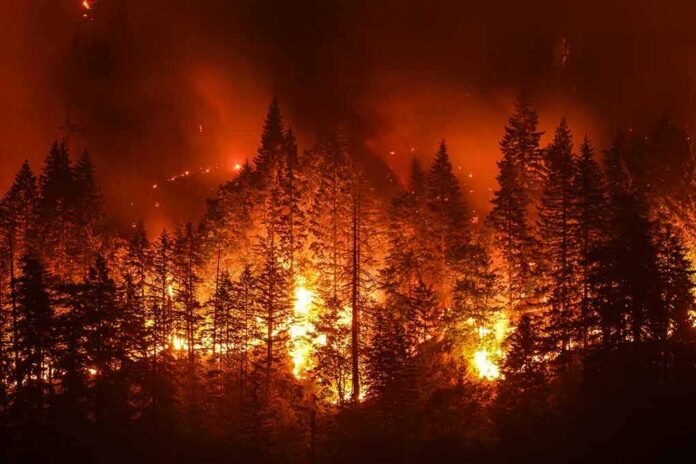
Officials and local reporting said strong winds pushed the grass fire quickly, with one account describing movement on the order of a kilometre in under a minute, capturing why escape and suppression were so hard once the shift began. The Associated Press reported the fire overtook soldiers during live-fire combat training, reinforcing the wind-driven spread as the key factor in the tragedy. The cause of ignition, including whether training directly sparked it, remains under investigation.
BREAKING UPDATE: 4 soldiers confirmed dead, 39 injured, including 19 critically, after a deadly fire during military training at CFB Wainwright, Alberta. Cause under investigation.
Source: Canadian Armed Forces / Reuters#BreakingNews #Canada #CFBWainwright #Military
— CREASE19 BREAKING NEWS (@Crease19NEWS) October 19, 2026
Military authorities and provincial responders launched reviews to establish a full timeline, ignition source, and whether weather conditions aligned with training rules. That work will examine range control, firebreaks, and evacuation decisions without slowing current care for the injured. For American readers, this is a sober reminder: real readiness has risks. Our service members also train in tough terrain and wind. Clear rules, strong leadership, and rapid response save lives when seconds matter.
Sources:
youtube.com, canada.ca, cbc.ca