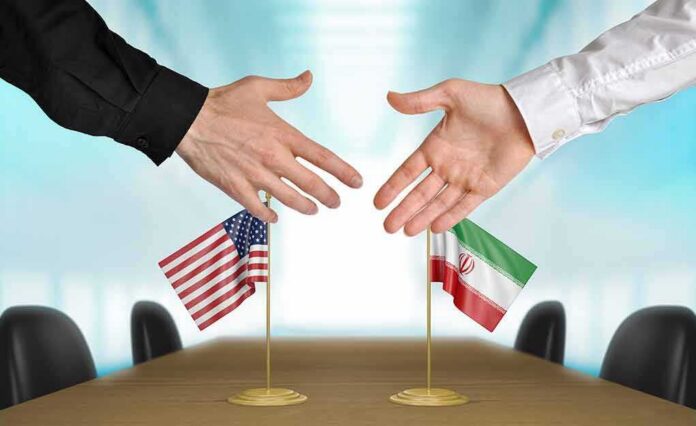
Iran’s blunt denial of talks landed just hours after President Trump said a deal was close and strikes were on hold.
Quick Take
- President Trump said he paused planned strikes because negotiations were moving fast.
- Iran’s Foreign Ministry said there were no talks with the United States.
- Iran also said it had only received messages through friendly nations or mediators.
- Reporting across major outlets said no final agreement had been announced.
Trump Says a Deal Was Near
Trump told reporters and posted online that he had canceled an attack because a deal could come together quickly. He said the “final aspects and details” were still being discussed, but he framed the process as moving toward an agreement rather than stalling out. In other coverage, Trump said his team had been talking with a senior Iranian figure and that the talks were productive.
That message matters because it tells supporters and critics alike that the White House saw leverage in waiting. Trump linked the military pause to diplomacy and said the delay was based on requests from regional players. He also said Iran wanted to make a deal, which gave his public case a clear political edge. The claim was bold, but the available record still showed a deal in progress, not a signed settlement.
Tehran Rejects the Premise
Iran pushed back hard and fast. The Iranian Foreign Ministry said there were no talks with the United States, and Parliament Speaker Mohammad Bagher Ghalibaf called the claim “fake news.” Iranian officials also said the messages they had received came through friendly countries, not direct talks. That distinction matters. It leaves open back-channel contact, but it does not support Trump’s public picture of active direct negotiations.
Iran also denied asking Washington to begin talks. Coverage from multiple outlets said Tehran rejected the idea that it had sought negotiations and said no final agreement existed. Some reports described progress on certain issues, but the Iranian side still said nothing had been finalized. For readers tired of Washington spin, the core point is simple: Trump described a near deal, while Tehran denied that the kind of talks he described were taking place.
Why the Story Is Bigger Than One Statement
This fight is about more than one day’s headlines. It shows how fast high-stakes foreign policy can turn into a public credibility contest. Trump’s remarks suggested a near breakthrough and a military pause tied to diplomacy. Iran’s response pushed back on both the talks and the deal story. Without a public joint statement or signed document, the dispute stays rooted in competing claims, not confirmed final terms.
@realDonaldTrump @BBCNews @skynews I don’t get it, Trump repeatedly says stuff which just isn’t true regarding the Iran war. Negotiations, meetings, ceasefires, they just don’t happen
— number6 (@mitchellc06) August 3, 2026
The bigger lesson is familiar to anyone who has watched Washington for years. Public progress claims can move markets, shape news coverage, and create pressure before facts are settled. That is especially true when the topic is war, oil, and the safety of American forces. The record here supports one clear fact: Trump said a deal was close, and Iran said no direct talks were happening.
Sources:
mediaite.com, nytimes.com, reuters.com, cnn.com, npr.org, aljazeera.com, youtube.com