The Trump administration’s direct takeover of Venezuela has sparked a fierce debate over U.S. military intervention and its implications for the GOP.
Story Highlights
- The U.S. military intervention in Venezuela raises questions about GOP unity.
- President Trump announced direct U.S. administration of Venezuela’s oil sector.
- The intervention is framed as a law enforcement operation against drug trafficking.
- Uncertainty looms over the duration and objectives of U.S. military presence in Venezuela.
Trump’s Bold Move in Venezuela
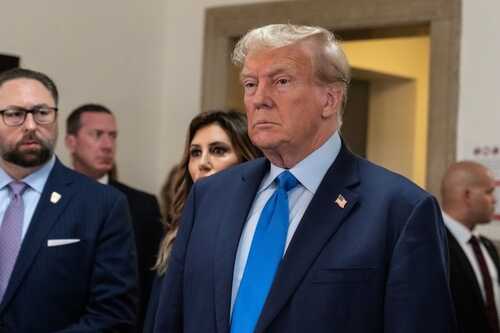
In a significant escalation of U.S. military involvement in the Western Hemisphere, President Donald Trump has announced the capture and removal of Venezuelan President Nicolás Maduro. The Trump administration has taken the unprecedented step of directly administering Venezuela, including its lucrative oil sector. This move aligns with Trump’s National Security Strategy, which prioritizes Latin America and seeks to assert U.S. dominance. The decision has stirred a debate within the Republican Party, testing its unity on foreign military interventions.
The Trump administration has framed this intervention as a law enforcement operation against drug trafficking, distinguishing it from traditional military operations. This approach stems from the 2020 indictment of Maduro on drug trafficking charges, providing a legal justification for U.S. actions. Analysts describe Trump’s strategy as mercantilist, focusing on economic interests, particularly in the oil sector, rather than ideological or humanitarian objectives. Trump’s decision underscores his commitment to expanding U.S. presence in Latin America, as outlined in the “Trump Corollary” to the Monroe Doctrine.
Watch: https://www.youtube.com/watch?v=Xe_x20bIpIM
Uncertain Future for Venezuela
The intervention has left the remaining Venezuelan government in a state of uncertainty. While Maduro has been captured, the Trump administration has not clarified its long-term governance plans for Venezuela. The announcement that unidentified Venezuelans may be involved in running the country adds to the ambiguity. The undefined timeline and objectives of U.S. military deployment raise questions about the sustainability and outcome of this intervention. Moreover, the duration of U.S. administration and the conditions for transitioning to Venezuelan self-governance remain unclear.
U.S. intervention in Venezuela could test Trump’s ability to hold GOP together in an election yearhttps://t.co/OqQzjmRv0A pic.twitter.com/47qDhQLsOc
— The Washington Times (@WashTimes) January 4, 2026
Despite these uncertainties, the Republican Party is grappling with potential divisions over the intervention. The commitment of resources and troops, coupled with the undefined scope of the operation, could strain party cohesion, especially among isolationist factions. The GOP’s internal debate reflects broader questions about the U.S.’s role in foreign interventions and its impact on domestic politics.
The Implications for the GOP and Regional Stability
The intervention in Venezuela represents a litmus test for the Republican Party’s unity on military interventions abroad. The decision to directly administer a foreign nation, especially one with significant oil resources, is a bold move that could set a precedent for future U.S. foreign policy. The potential economic benefits from controlling Venezuela’s oil sector must be weighed against the political risks of long-term military involvement.
The broader implications for U.S.-Latin American relations are significant. This intervention signals a shift toward direct U.S. involvement where economic interests are perceived, potentially affecting regional stability and relationships with other Latin American governments. As the situation unfolds, the world will watch closely to see how the Trump administration navigates the challenges of managing Venezuelan resources, maintaining GOP unity, and ensuring regional stability.
Sources:
What Trump’s Attack on Venezuela Means for the Region and the World
U.S. Attacks Venezuela and Maduro Captured: Early Analysis by Chatham House Experts