NVIDIA’s board, with input from senior U.S. officials, reinstated Jensen Huang as CEO and said he poses no national-security risk.
Story Highlights
- NVIDIA’s board voted unanimously to bring Huang back as president, CEO, and director.
- Board leaders said they were satisfied with Huang’s candor and ability to lead after direct meetings.
- Senior U.S. government input informed the decision; President Trump said there is “no reason to believe” Huang’s return is a security risk.
- Critics still warn that a compromised tech leader can expose sensitive information or sway policy.
Board Decision: Unanimous Reinstatement After Direct Review
NVIDIA’s directors voted unanimously to reinstate Jensen Huang as president, chief executive officer, and board director, effective immediately. The company said the vote followed a series of meetings and discussions with Huang, after which the board expressed confidence in his candor and leadership. The formal announcement came in a company press release and was echoed across major outlets. The board’s clear, on-the-record support ended days of uncertainty about leadership at the world’s top artificial-intelligence chip maker.
Coverage from national and business media underscored the speed and scale of the reversal. Reports noted the board’s language on Huang’s fitness to lead and the explicit statement that directors were satisfied after their direct engagement with him. The move followed his recent resignation over personal misconduct that drew security questions. The board addressed those concerns in its process statement, concentrating on risk review and leadership continuity at the company.
National Security Input: Government Briefings and Trump’s Position
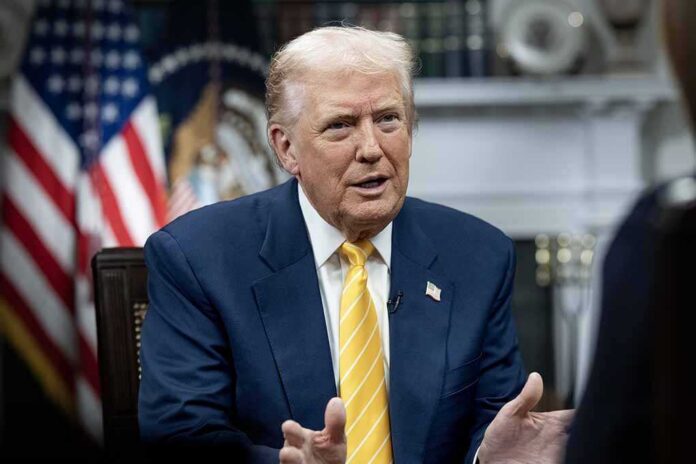
Fortune reported that senior levels of the United States government provided input to the board during the decision process. That detail matters because export controls and artificial-intelligence chips tie directly to national power and defense planning. President Trump also addressed the issue. He said the United States government had no reason to believe Huang’s return posed a national-security risk, aligning the administration’s stance with the board’s final judgement on reinstatement.
Minnesota Public Radio reported Trump’s statement as part of the same sequence of events. That on-record position sets a clear federal marker while placing responsibility for ongoing vigilance on regulators and the company. In this climate, tech leadership choices carry strategic weight. The administration’s message signals support for strong American firms while keeping the door open to continued oversight where it is required by law and policy.
Critics’ Concerns: Corporate Governance and Security Exposure
Critics pressed a different case. Commentators warned that a powerful executive with personal vulnerabilities can still create risk, even without direct foreign control. The Center for Strategic and International Studies argued that a compromised leader could leak sensitive information, by choice or by mistake, or become a channel for Beijing to influence United States national-security decisions. Those concerns target the general risk model, not a fresh set of proven facts about this case.
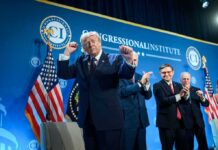
Nvidia employees gave Jensen Huang a standing ovation as he returned to the company's headquarters in Santa Clara, California, after the board reinstated him as president and CEO.
"Thank you all for the second chance. I'm going to be a better CEO the second time around," Huang… pic.twitter.com/BYVYNSsueE
— ANews (@anews) November 24, 2026
Some business voices also questioned the board’s oversight, arguing that leadership scandals, even when personal, can damage trust and distract from core work. Their argument asks whether any single figure should be “too important to replace” in a critical industry. That question will continue as Congress seeks answers and investors watch execution. For now, the board’s stated review plus federal input frames the call: maintain United States leadership in chips while guarding the nation’s secrets.
What It Means for Conservative Readers: Strength With Vigilance
This outcome reflects a balance conservatives know well: grow American industry, protect national security, and cut the noise. The board kept a proven builder in place to keep jobs, innovation, and market strength in the United States. The administration asserted there is no known security risk, which backs the decision and calms markets. But vigilance remains essential. Strong controls, strict compliance, and clear lines with Washington help stop foreign adversaries from gaming our system.
Conservative priorities point to a simple path. Hold leaders to standards, punish actual breaches, and avoid panic that hands wins to China. Push transparency where it counts: export rules, insider controls, and incident response. Support American chip leadership, because energy, defense, and everyday tech depend on it. Demand that corporate boards document risk reviews and keep shareholders informed. That approach protects free enterprise and national security without feeding bureaucratic overreach.
Bottom Line: Lead the World, Guard the Republic
NVIDIA’s fast reinstatement of Jensen Huang resets the leadership question and keeps a crown jewel of American industry on track. The decision came after direct board review and government input, and President Trump publicly stated there is no reason to see a security threat. Critics warn about the nature of executive compromise, which is why rigorous guardrails must stay in place. America can lead in chips and artificial intelligence while guarding the nation from foreign influence.
Sources:
ft.com, investor.nvidia.com, 6abc.com, cincinnati.com, mprnews.org, latimes.com