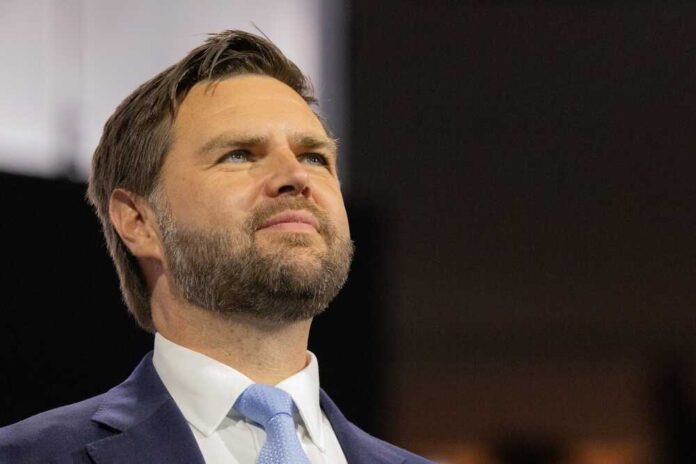
Vice President JD Vance has refused to meet with Axel Springer CEO Mathias Dopfner after Business Insider published what Vance called a “fake attack” comparing Donald Trump Jr. to Hunter Biden, triggering a cascade of consequences for the German media giant.
At a Glance
- Vice President JD Vance cancelled a meeting with Axel Springer CEO Mathias Dopfner over a controversial Business Insider article about Donald Trump Jr.
- The article compared Trump Jr. to Hunter Biden regarding business dealings, sparking backlash from the Trump administration
- Axel Springer lost its lobbying firm Ballard Partners as a direct result of the controversy
- Politico, another Axel Springer property, is reportedly experiencing internal turmoil and leadership concerns
- Questions are mounting about Dopfner’s ability to effectively manage the growing crisis affecting multiple media properties
Political Fallout from Business Insider Article
The controversy began when Business Insider, owned by German media conglomerate Axel Springer, published an article drawing parallels between Donald Trump Jr.’s venture capital firm, 1789 Capital, and Hunter Biden’s controversial business activities. The piece, which critics say made unfounded allegations without seeking comment from Trump Jr., has created significant political tension for Axel Springer’s American operations. Vice President JD Vance has taken direct action in response, refusing to meet with CEO Mathias Dopfner during his planned visit to the United States.
The comparison to Hunter Biden particularly inflamed the situation, with many conservatives viewing it as an unfair and politically motivated attack. The article has drawn scrutiny not only for its content but also for what it failed to disclose – namely Axel Springer’s foreign ownership and its lobbying activities in Washington, raising questions about potential foreign influence on American politics through media channels.
Business Consequences Mount for Axel Springer
The fallout has extended beyond political tensions into concrete business consequences. Ballard Partners, a prominent lobbying firm representing Axel Springer in Washington, terminated its relationship with the media company following the publication of the controversial article. This represents a significant blow to Axel Springer’s ability to navigate the complex political landscape in Washington at a time when its actions are under increased scrutiny from the administration.
Further compounding these issues, the administration’s Department of Government Efficiency has reportedly cut off taxpayer-funded subscriptions to Politico, another Axel Springer property, creating additional financial pressure. Business Insider has maintained its editorial independence and defended its reporting despite the mounting criticism and business repercussions, creating a standoff that shows no signs of immediate resolution.
Internal Turmoil at Axel Springer Properties
The external pressures facing Axel Springer are mirrored by reported internal challenges, particularly at Politico. Sources indicate that Politico is facing staff retention issues and questions about its leadership under editor Alex Burns. The situation has apparently become serious enough that Dopfner and his deputy are directly monitoring Politico’s management, suggesting a lack of confidence in its current direction during this politically sensitive period.
Dopfner now faces the challenge of managing simultaneous crises across multiple American media properties while attempting to repair damaged relationships with the administration. The growing questions about his leadership effectiveness have been compounded by the swift and severe consequences of the Business Insider article, which some believe should have received more careful editorial oversight given its political sensitivity and potential for backlash.
Foreign Influence Concerns Intensify
The controversy has brought renewed attention to foreign ownership of American media outlets and their potential influence on domestic politics. Critics argue that Axel Springer failed to maintain appropriate disclosure standards in its reporting on Trump Jr., omitting mention of its foreign ownership and lobbying activities. This has led to increased scrutiny of foreign media operations in the United States, particularly those covering politically sensitive topics during a period of heightened partisan tensions.
For Dopfner, navigating this crisis will require addressing concerns about editorial standards at Business Insider while simultaneously addressing the leadership questions at Politico. The refusal of Vice President Vance to meet with him represents a significant barrier to resolving the situation quickly, potentially extending the business and reputational damage to Axel Springer’s American operations during a time when political relationships are particularly valuable for media organizations seeking access and influence.