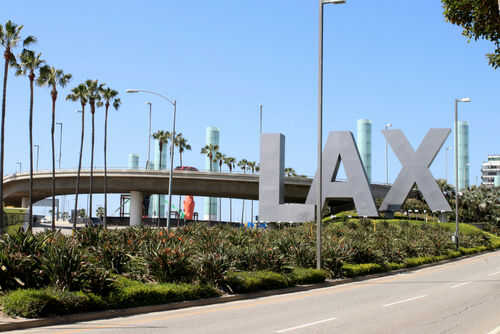
A viral video showing people sleeping across Los Angeles International Airport floors has sparked fresh fears about safety for World Cup travelers — and about City Hall’s failure to keep critical gateways secure.
Story Snapshot
- Video of homeless sleepers inside Los Angeles International Airport fuels safety concerns as World Cup visitors arrive.
- Los Angeles International Airport has faced long-running debate over public access, policing, and late-night terminal conditions.
- United States Soccer confirmed Los Angeles is hosting the World Cup opening celebration, putting a global spotlight on the airport.
- Local reporting ties terminal homelessness to wider housing gaps, not a proven pattern of crimes against travelers.
Los Angeles Becomes the World’s Front Door — With Cameras On
United States Soccer announced that the World Cup opening celebration is in Los Angeles, starting Friday, June 12, with global stars performing. That puts Los Angeles International Airport squarely in view as fans, teams, and media stream in. The arrival experience matters because first impressions set the tone for safety, service, and national pride. With the world watching, scenes of people sleeping in terminals raise questions about planning and accountability for this global moment [1].
Social clips now show crowds arriving for match events in the Los Angeles area. Those feeds heighten scrutiny on how airport managers handle late-night activity in public zones. Landside areas of many airports stay open and can draw people seeking shelter. That policy can clash with security needs when big events compress time, staff, and space. The result is a tension between access and order that leaders must manage in real time, with clear rules and visible enforcement [3].
What We Know About Homelessness Inside Los Angeles International Airport
Past reporting documented a large nightly presence of unhoused people across Los Angeles International Airport terminals and frequent police contacts tied to that population. Coverage described individuals “living” in terminals, some posing as travelers, and noted thousands of service calls in prior years. While conditions change, that history shows this is not a new flashpoint born of the World Cup. It is a persistent challenge that resurfaces whenever outside attention peaks.
Travel guidance sites have also flagged that sleeping in airports is common worldwide, and that Los Angeles International Airport’s public areas can attract people at night. That context helps explain how the terminals end up looking like shelters after security closes the gate areas. But common does not mean acceptable during a global showcase. Fans expect safe walkways, open seating, clear signage, and quick police response. Airport leaders must guarantee that standard throughout the tournament window [19].
The Current Debate: Safety Risk or Symptom of Bigger Failures?
Advocates say the issue is housing scarcity, not a confirmed crime wave against travelers in terminals. A Daily Dot report frames the dispute around homelessness and public safety, noting that Los Angeles has many unhoused residents and some seek shelter at the airport “with nowhere to go.” That lens does not cancel safety concerns. It does highlight the need for city coordination, including outreach teams, mental health services, and clear trespass rules where conduct crosses the line [8].
Skeptics argue that viral airport videos can blur facts. They can make rare moments seem constant or imply danger where data is thin. Still, major events change the risk picture. Crowds, fatigue, and luggage create easy targets for theft and conflict. Airport police and managers should update posture based on expected volume and late-night peaks. Clear separation of public sleepers from passenger areas, steady patrols, and quick cleanup of blocked walkways reduce flashpoints without heavy-handed tactics.
Accountability Test for Local Leaders and Federal Partners
Los Angeles International Airport sits at the intersection of city policy, county services, and federal transportation standards. During the World Cup, the stakes rise. United States Soccer’s opening celebration draws cameras and visitors who will share their experience in seconds. Coordination between airport police, outreach teams, sanitation, and terminal managers must be tight and visible. Leaders should publish a simple plan: where people can be, how rules are enforced, and how travelers get help fast [1].
For conservatives, the core principles are order, safety, and stewardship of public spaces. The goal is not to punish people down on their luck. The goal is to protect travelers, workers, and families who paid for tickets and taxes. Clear conduct rules, consistent enforcement, and humane outreach can coexist. When officials dodge decisions, chaos grows. When leaders set standards and own results, trust grows. The World Cup will reveal which path Los Angeles chose.
What Success Looks Like in the Next Two Weeks
Airport managers should keep public corridors open, enforce no-sleep zones in key choke points, and stage patrols at baggage claims. Outreach teams should engage individuals early in the evening and offer transport to services before terminals fill up. Signs should state rules in plain language. Travelers should see staffed help desks, well-lit routes, and fast cleanup. These are basic steps, not grand plans, and they can be measured by on-time flows and fewer incidents [19].
If Los Angeles delivers a clean, calm arrival, the focus stays on the matches and the flag. If not, the images will speak for themselves. This is a practical test, not a partisan one: secure the gateway, serve the guest, and respect the taxpayer. The world’s front door must look like we mean it.
Sources:
[1] Web – Video shows homeless people sleeping at LAX as World Cup 2026 fans …
[3] Web – 🇺🇸 This is how #WorldCup national teams are welcomed …
[8] Web – The United States is preparing to welcome fans from …
[19] YouTube – Welcome to LAX: One of LA’s Biggest Homeless Encampments