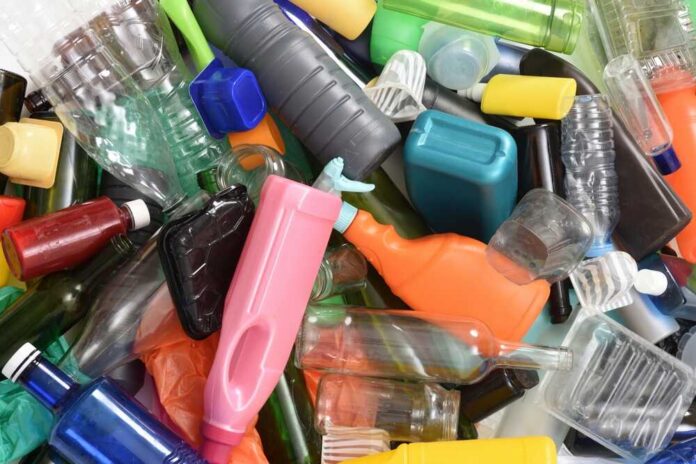
Britain’s plastic problem isn’t just “too much trash”—it’s a system that keeps churning out packaging faster than recycling can possibly keep up.
Quick Take
- A national “Big Plastic Count” survey estimated UK households throw away about 1.7 billion pieces of plastic packaging each week, not 1.6 billion.
- The count ran March 11–17, 2024 and was published April 16, 2024, with participation from roughly 225,000 people across 77,000 households.
- Only 17% of the plastic was recycled in the UK; most was incinerated, exported, or landfilled.
- Food and drink packaging made up the bulk of the waste, pointing attention at supermarkets and major brands.
A headline-grabbing number, and a correction that matters
UK campaign groups behind the Big Plastic Count put a hard number on what many families already feel: bins fill up fast even when people try to be responsible. The survey’s central estimate is 1.7 billion pieces of plastic packaging thrown away each week, which extrapolates to roughly 90 billion pieces annually and around 60 pieces per household per week. That figure corrects the widely repeated 1.6 billion number and underscores the scale of the issue.
The methodology is also part of why the findings have carried weight. Participants counted every piece of plastic waste they disposed of during one week, March 11–17, 2024, and the results were published April 16, 2024. Organizers reported participation from nearly 225,000 individuals in about 77,000 households, including schools and a group of MPs. Any voluntary count can skew toward highly engaged participants, but the size makes it harder to dismiss as anecdotal.
Where the plastic goes shows why “just recycle” is hitting a wall
The disposal breakdown in the survey points to an uncomfortable reality for policymakers: the UK is managing plastic waste largely through methods other than domestic recycling. Organizers reported that only 17% was recycled in the UK. A majority—58%—was incinerated, a share that increased from 46% in 2022. Another 14% was exported as waste and 11% went to landfill, suggesting that capacity and incentives still favor disposal over recovery.
For voters who have grown skeptical of elite-driven messaging, those percentages matter more than slogans. If most plastic ends up burned or shipped abroad, the public is being asked to sort waste while the system routes it into costly or politically convenient channels. Incineration may reduce visible landfill, but it signals a policy environment where government and industry have not aligned production with realistic end-of-life handling. The survey’s numbers indicate recycling alone cannot carry the load at current production levels.
Supermarkets and brands sit at the center of the packaging stream
The count found that 81% of the plastic tallied was food and drink packaging, much of it linked to supermarket shopping. The most frequently discarded items included snack packaging and fruit-and-vegetable packaging—exactly the kind of everyday materials families encounter repeatedly without meaningful alternatives on the shelf. That tilts the policy conversation away from shaming households and toward how retailers specify packaging, how brands design it, and whether government rules reward reduction rather than simply managing waste after the fact.
This framing also challenges a common political habit: pushing responsibility downward to consumers while leaving production incentives untouched. In a conservative-minded lens, the core issue is not micromanaging household behavior through ever more complex sorting rules; it is whether regulators and corporate decision-makers have allowed a market structure where convenience packaging proliferates while downstream disposal costs land on taxpayers and local councils. The survey’s consistency with 2022 results suggests voluntary corporate pledges have not changed much.
What the survey implies for public trust and future policy fights
The UK’s ranking as the world’s second-largest per-capita plastic waste generator—behind the United States—adds an international pressure point, but it also highlights a governance problem: ambitious environmental promises that don’t match measurable outcomes. Organizers argue production is effectively “out of control,” and their data shows stagnation from 2022 to 2024. If figures remain flat despite years of campaigns and corporate commitments, the next phase will likely be sharper political conflict over mandates, bans, and costs.
Limited data remains on seasonal variation and selection bias because the count covers one week and relies on voluntary participation, so policymakers should be careful about over-precise extrapolations. Still, the broad picture is hard to ignore: massive volumes, low domestic recycling, and growing reliance on incineration. For citizens already distrustful of government competence and corporate sincerity, this story lands as another example of institutions asking ordinary people to “do their part” while the system keeps producing the problem.
Sources:
The Big Plastic Count: UK households throw away an estimated 1.7 billion pieces of plastic weekly
Greenpeace: UK households throw away 1.7bn pieces of plastic packaging a week, survey finds