North Korea’s latest naval ambitions signal a troubling escalation, raising questions about Russian involvement and regional stability.
At a Glance
- North Korea plans to build a third 5,000-ton destroyer by October 2026.
- Speculation grows over Russian support in North Korea’s naval expansion.
- New developments heighten regional tensions and potential arms race.
- South Korea adopts a more conciliatory approach under new leadership.
North Korea’s Naval Ambitions: A New Era of Tensions
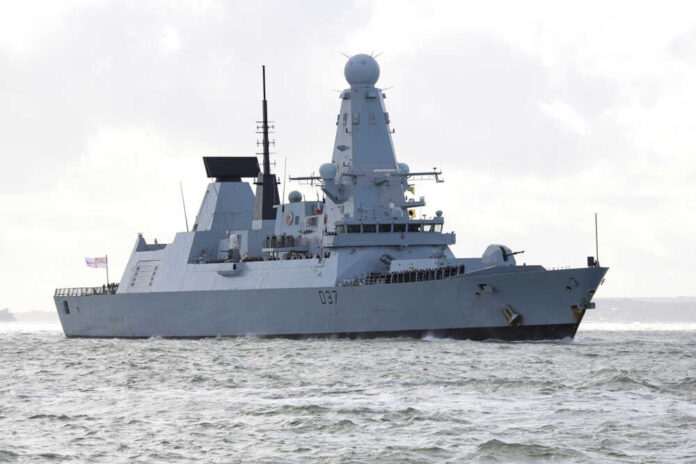
North Korea has announced plans to construct a third 5,000-ton destroyer, the Choe Hyon-class, by October 2026. This move marks a significant leap in its naval capabilities, traditionally lagging behind its missile and ground forces. The Korean People’s Navy, once reliant on aging Soviet-era vessels, is now setting its sights on a modernized fleet, signaling a shift in regional power dynamics.
North Korea vows to build another 5,000-ton warship@JyotsnaKumar13 brings you this report pic.twitter.com/DtCw9yEwz6
— WION (@WIONews) July 23, 2025
The announcement comes amid heightened tensions on the Korean Peninsula. North Korea’s leader, Kim Jong Un, has prioritized naval modernization, aiming to counter perceived threats from the United States, South Korea, and Japan. With speculation of Russian assistance in its naval development, concerns are mounting over a potential quid pro quo involving North Korean support for Russia in the ongoing Ukraine conflict.
Regional Implications and Power Dynamics
The implications of North Korea’s naval expansion are profound, potentially shifting the balance of power in East Asia. The construction of a third destroyer underscores Kim Jong Un’s commitment to enhancing deterrence and projecting power. This development is likely to trigger an acceleration of naval modernization programs in neighboring countries like South Korea and Japan, as they seek to maintain regional stability.
The stakes are further raised by the possibility of North Korean destroyers being equipped with tactical nuclear weapons. Such a scenario would dramatically increase the threat level to regional security, prompting the United States and its allies to reassess their defensive strategies. The potential for technology transfer from Russia to North Korea introduces another layer of complexity, threatening to destabilize both East Asia and the conflict in Ukraine.
Watch: North Korea: Kim Jong Un To Build New Destroyer By October 2026
The Role of Key Stakeholders
At the heart of this development is Kim Jong Un, the driving force behind North Korea’s naval ambitions. His vision for a more powerful navy is supported by the Workers’ Party of Korea, which oversees military-industrial policy and controls resources. The Nampho Shipyard, the primary facility for constructing these destroyers, plays a crucial role in executing Kim’s plans.
Russia’s alleged involvement adds an international dimension to North Korea’s naval aspirations. While the extent of Russian support remains unconfirmed, the possibility of a strategic alliance between the two nations raises concerns about a new axis of power challenging Western interests. Meanwhile, South Korea’s new president, Lee Jae-myung, has adopted a more conciliatory approach, halting border propaganda broadcasts in a bid to ease tensions.
Short and Long-term Impacts
In the short term, North Korea’s naval expansion is likely to increase regional tensions, with potential consequences for international shipping and fishing industries. The heightened military activity could lead to disruptions, impacting economies dependent on these sectors. The focus on military shipbuilding may also strain North Korea’s limited resources, diverting attention from pressing domestic issues.
Long-term implications include the potential for North Korea to field a modern fleet capable of projecting power and threatening maritime interests in the region. This development could shift the regional security architecture, prompting the U.S. and its allies to increase naval deployments and missile defenses. The possibility of North Korea becoming a hub for illicit arms trade further complicates the geopolitical landscape.