China used a high-profile forum in Xi’s showcase city to pitch a rewrite of global rules under Beijing’s lead.
Story Highlights
- China opened a Global Governance Forum in Xiong’an focused on “reforming” world governance.
- Officials said nearly 400 attendees from over 90 countries and organizations took part.
- Wang Yi urged a stronger United Nations role and changes to serve developing countries.
- Analysts tied the event to party-run outreach staged in Xi’s model city project.
China’s Forum Pushes Rule Changes Through the United Nations Frame
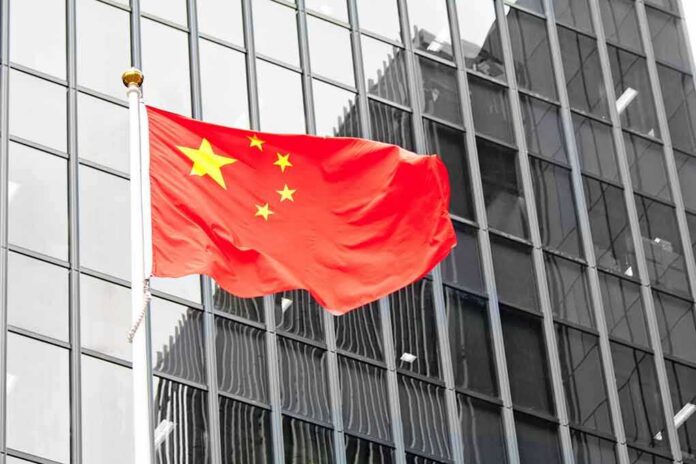
China opened the 2026 Global Governance Forum in Xiong’an on October 23 with a theme about rebuilding confidence and reforming world governance. China’s Foreign Ministry said the event centers on how to improve current systems, not scrap them. The program stressed keeping the United Nations at the center while making that body move faster and pay more attention to developing nations. Wang Yi delivered the keynote and set this tone for the talks and follow-on actions.
Wang Yi, who serves on China’s top political body and is foreign minister, argued that the Global Governance Initiative now matters more than last year. He called for a stronger United Nations Security Council response capacity and practical steps to carry out China’s initiative. He said the effort answers a “governance deficit” and aims to fix global problems through cooperation. Wang framed the plan as steady work, not a one-off speech, marking one year since launch.
Attendance Shows Reach, Not Automatic Endorsement
China said nearly 400 representatives from political, academic, business, media, and youth groups came from more than 90 countries and regional and international bodies, including the United Nations. That turnout shows China can convene at scale. The reporting did not list each attendee’s position or any formal commitments. One account cited 97 countries, showing a counting gap that China has not clarified in public sources used here.
Xi Jinping backed the forum directly by sending a message to the meeting. Chinese outlets highlighted his support as proof the initiative has the top leader’s attention. The message paired with Wang Yi’s keynote signals this is an endorsed state priority, not a lower-level experiment. Chinese statements also said the initiative is part of a longer campaign to shape how institutions work, not only how talks sound.
From Stagecraft to Structure: The Setting and the Sponsors
Analysts at Jamestown described Xiong’an as a signature project for Xi and called the event carefully staged to present China as a provider of solutions. They linked the principal host, the Chinese People’s Institute of Foreign Affairs, to party-led “united front” work. That link suggests the forum sat inside China’s political system, not apart from it as a free-standing international body. This framing explains the tight message discipline around the program.
China’s ministries published speeches and summaries, but did not show signed pacts or hard timelines in the material cited here. Wang Yi announced “practical actions” to advance the initiative. The available releases described aims and areas for cooperation but did not include detailed budgets, enforcement tools, or public benchmarks in these sources. The forum therefore marked a diplomatic push, while measurable outcomes remain to be documented in official follow-ups.
What China Says It Wants to Change, and Why It Matters for America
China says it wants a faster United Nations and more say for developing countries. That may shift agenda power and money flows inside global bodies. If rules tilt toward state-led models, free market norms, data freedom, and property rights can face more pressure. American families feel the effects when trade rules, tech standards, and energy policy get set far from home by systems that do not share our constitutional values or free speech protections.
President Trump’s team should track two lanes at once. First, where China works inside the United Nations to change procedures or voting coalitions. Second, where China builds parallel venues to shape standards and financing. Both lanes can touch issues that hit wallets here: supply chains, digital rules, health policy, and energy access. Clear, firm U.S. leadership in global forums can block rules that raise costs, weaken sovereignty, or sideline American industry.
Sources:
realcleardefense.com, tt.china-embassy.gov.cn, fmprc.gov.cn, english.www.gov.cn, mfa.gov.cn