New U.S. intelligence says Iran explored a dirty bomb or chemical attack in Washington, putting senior Trump officials in the crosshairs, and forcing rapid security planning.
Story Snapshot
- CNN reported seven U.S. officials said Iran weighed a dirty bomb or chemical strike in Washington with possible specific targets.
- President Trump warned Tehran would “pay a price” if it tried such an attack.
- Homeland Security warnings and contingency steps followed, though no imminent threat was declared.
- Iran denied the report as fabricated, and some officials questioned newness and capability claims.
What a Dirty Bomb Is and Why It Matters
Federal experts define a dirty bomb as a device that uses normal explosives to spread radioactive material. The blast injures near the site. The radiation spreads fear, triggers evacuations, and can shut a city block or more. Cleanup is long and costly. Iran or a proxy would need access to radioactive sources, trained handlers, and safe transport. Intelligence raised that scenario as an option in Washington. That is why security teams treat it as a real homeland risk, even without an imminent clock.
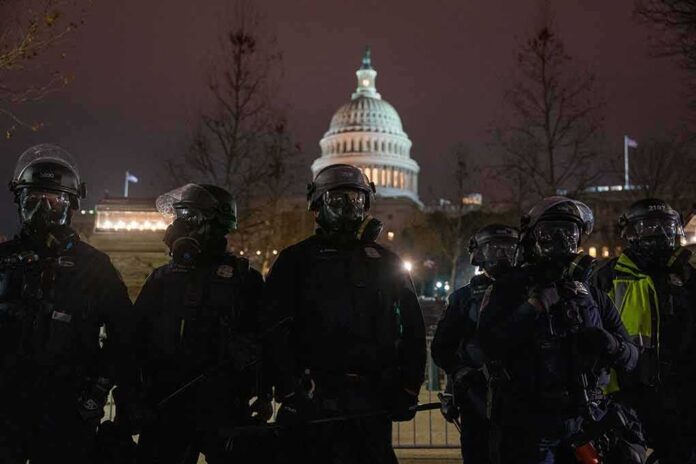
CNN reported that seven U.S. officials said Iran developed plans to target senior Trump administration officials with either a dirty bomb or a chemical weapon in Washington. Two sources said the intelligence pointed to specific locations and targets. That detail led to a flurry of U.S. contingency planning and public warnings. Officials also stated they continue to debate whether Iran can or will carry out the plan, which suggests option-building, not a set operation.
How the Trump Administration Responded
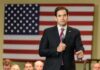
President Trump said the United States takes the report seriously and warned Iran would “pay a price” if it attempted a dirty bomb attack in Washington. Department and agency teams increased planning for target protection and consequence management, according to CNN’s account. The White House said it was monitoring threats, and that there were no credible threats to the homeland at that time. Secretary of State Marco Rubio also said there was no imminent threat, which matched the debate about capability.
Homeland Security Secretary Markwayne Mullin warned that an attack on Washington could spark an all-out war, highlighting how a radiological or chemical incident on U.S. soil would raise the stakes overnight. That message signaled deterrence: tell Tehran that any strike on Washington is a red line with severe costs. The approach fits conservative principles of peace through strength, clear red lines, and rapid readiness. It also tells local leaders to review response plans without stoking panic.
Iran’s Denial and the Mixed Public Picture
Iran’s Foreign Ministry dismissed the story as fabricated, and its United Nations mission said Iran rejects the use of chemical weapons in all cases. A senior U.S. official quoted elsewhere suggested the intelligence was not new, and that execution inside the United States would demand expertise and access to controlled materials, which is hard to arrange under watch. These points do not cancel the risk. They narrow it to intent and capability, which remain the core unknowns.
White House and State Department comments stated there was no current imminent threat, which tempers the headline claim but does not erase it. The intelligence community has also warned Congress that Iranian lethal plotting has increased, including efforts against U.S. officials overseas, and that history adds weight to the alert. The net result: treat the dirty bomb scenario as a serious option Iran has explored, even if the United States has not confirmed an active device or a set go-order.
What Patriots Should Watch For Next
Security teams will keep tracking any signs of material acquisition, training, or casing in or near Washington. Investigators will also look for supply routes, front companies, and illegal purchases. If agencies find evidence of stored radioactive material or chemical agents inside the country, that would mark a major shift. Until then, officials will harden targets, drill for rapid response, and keep pressure on Iran and its networks, while avoiding needless panic that helps our enemies.
Here is the bottom line for families and constitutional conservatives. A dirty bomb is designed to spread fear, break daily life, and force government overreach. That is why deterrence, border control, and strong domestic policing matter. President Trump’s warning sets a clear cost for any attack. Agencies say there is no imminent threat today, but they are not standing down. Stay alert, trust verified guidance, and expect firm action if Iran crosses the line.
Sources:
facebook.com, cnn.com, edition.cnn.com, newsweek.com, yahoo.com, 1news.co.nz, news24.com