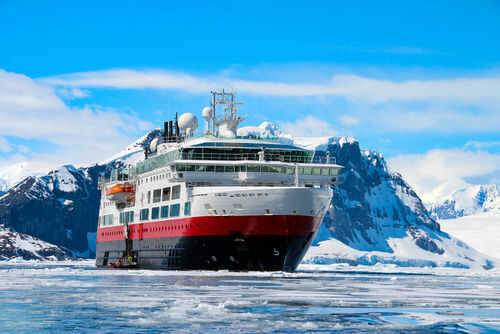
Cruise ships have become floating disease incubators, with CDC data revealing 23 major outbreaks in 2025 alone—and now a rare hantavirus scare in early 2026 is raising fresh alarms about an industry that seems unable to stop viruses from running rampant among confined passengers.
Story Snapshot
- CDC reported 23 viral outbreaks on cruise ships in 2025, representing a 28% increase, with norovirus accounting for over 90% of gastrointestinal cases
- The 2020 Diamond Princess COVID outbreak infected 619 of 3,700 passengers, demonstrating how ship design amplifies transmission rates beyond land-based settings
- Early 2026 hantavirus detection on an Antarctic cruise ship sparked safety concerns, though experts clarify the rodent-borne virus doesn’t spread person-to-person
- Ships function as closed systems with recycled air, shared buffets, and confined quarters housing 2,000-6,000 people—creating ideal conditions for low-dose viruses to spread rapidly
Floating Cities Create Perfect Viral Breeding Grounds
Cruise ships operate as self-contained ecosystems where thousands of passengers share ventilation systems, dining facilities, elevators, and entertainment spaces for days at a time. Unlike land-based communities where sick individuals can isolate at home, ship passengers remain confined in close quarters with no escape routes. Norovirus earned its reputation as the “cruise ship virus” because it thrives in these conditions, requiring only minimal exposure through contaminated surfaces or food to infect victims. Ships carrying 2,000 to 6,000 passengers create density levels that dwarf most urban environments, while recycled air and water systems provide additional transmission pathways unavailable in traditional settings.
CDC Oversight Can’t Stop Persistent Outbreaks
The CDC’s Vessel Sanitation Program conducts surprise inspections and enforces strict protocols, yet outbreaks persist across even the cleanest-rated cruise lines. Between 2006 and 2019, an average of 12 norovirus outbreaks occurred annually on ships docking at U.S. ports, with 2025 seeing 23 reported incidents including cases on Holland America’s Volendam and Silversea’s Silver Ray. Industry representatives like Brian Sansoni from the American Cleaning Institute acknowledge that germs linger on high-touch surfaces despite rigorous cleaning protocols. The fundamental problem isn’t sanitation failures—it’s structural design. Ships simply cannot replicate the isolation measures possible in land-based facilities, turning every outbreak into a containment challenge rather than a prevention success.
Historic Outbreaks Demonstrate Systemic Vulnerability
The February 2020 Diamond Princess outbreak provided a stark case study in cruise ship viral amplification, with COVID-19 infecting 619 passengers and crew despite immediate quarantine measures. Research modeling from that incident showed attack rates exceeding 70% without intervention, demonstrating transmission rates more than double those observed in land-based settings. Historical data reveals over 127 documented norovirus outbreaks on cruise ships, with additional cases of influenza, Legionella from water systems, and rare incidents like the early 2026 hantavirus detection. The COVID-19 pandemic slashed industry revenue by 80% in 2020, yet structural vulnerabilities remain unchanged. Ships continue operating with the same shared ventilation, buffet-style dining, and confined quarters that enabled past disasters.
Industry Priorities Clash With Passenger Safety
Cruise line executives face an inherent conflict between maximizing occupancy rates and implementing outbreak prevention measures that would fundamentally alter the cruise experience. The $50 billion U.S. cruise industry depends on high-density bookings and shared amenities that drive profitability, making structural reforms economically unappealing. Passengers and crew—particularly underpaid crew members in high-contact service roles—bear the consequences when outbreaks occur, facing cabin lockdowns and overwhelmed medical facilities. While the CDC maintains enforcement authority through fines and inspection requirements, cruise lines lobby for relaxed regulations, arguing their vessels meet or exceed cleanliness standards compared to other travel sectors. This dynamic leaves travelers gambling on whether their floating vacation will turn into a quarantine nightmare, with government agencies unable to mandate the design changes necessary to eliminate systemic risk.
Sources:
ScienceAlert – Expert Explains Why Cruise Ships Are So Prone to Disease Outbreaks
TimesNowNews – What Makes Cruise Ships the Perfect Hotspots for Viruses to Spread
Fox News – Cleanest Cruise Lines Revealed in CDC Surprise Sanitation Inspections
Squaremouth – Cleanest Cruise Ships and Cruise Lines
CDC – Cruise Ship Travel Health Information