A jet with a known oxygen system problem flew silently over Washington, then plunged in a deadly spiral that a heartbroken daughter now says never should have happened.
Story Snapshot
- A Cessna business jet flew unresponsive for nearly two hours before crashing into a Virginia mountain, killing four people.
- Federal investigators say loss of cabin pressure likely caused hypoxia, leaving the pilot and passengers unconscious.
- The jet had known oxygen system defects that the owner declined to fix, leaving a critical safety system compromised.
- F-16 fighter pilots saw the jet’s pilot slumped over, while the plane later entered a sharp descending spiral into terrain.
Silent Flight Over Washington Ends in Tragic Spiral
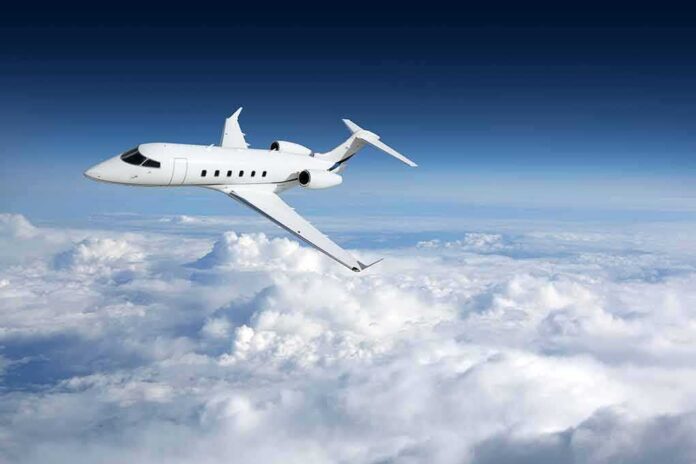
On June 4, 2023, a privately operated Cessna 560 Citation V took off from Elizabethton, Tennessee, heading for Long Island, New York. The airline transport pilot and three passengers, including a father and his young son, never made it home. About one hour and fifteen minutes into the flight, the jet stopped responding to air traffic control while still tracking its planned route at high altitude. It then flew on autopilot, silent and unresponsive, straight toward the nation’s capital.
North American Aerospace Defense Command scrambled F-16 fighter jets from the Washington area to intercept the wayward Cessna as it entered restricted airspace. The fighters raced in fast enough to cause a sonic boom that shook homes across the Washington region, startling residents who had no idea a ghost flight was passing overhead. When the F-16 pilots pulled alongside the jet, they reported a chilling sight: the Citation’s pilot appeared slumped over and unresponsive in the cockpit.
Investigators Point to Hypoxia From Cabin Depressurization
The National Transportation Safety Board (NTSB) later reviewed radar data, radio silence, and the fighter pilots’ reports to piece together what happened in those final hours. In its final report, released in May 2025, the NTSB concluded the most likely cause was hypoxia, a lack of oxygen, after the airplane lost cabin pressurization for reasons that remain unknown. Hypoxia can creep up fast at high altitude, dulling judgment, slowing reaction time, and then knocking a pilot out before he can even reach for his mask.
Investigators found no signs of struggle or course changes before the end; the jet simply held its assigned altitude and waypoints on autopilot while everyone on board was likely unconscious. Eventually, the aircraft ran out of fuel near the George Washington National Forest in rural Virginia. With engines no longer providing thrust, the autopilot could not keep the jet stable. The airplane entered a rapid descending spiral and slammed into mountainous terrain near Montebello, Virginia, killing all four occupants on impact.
Known Oxygen System Problems Raise Hard Questions
The most painful detail for the victims’ families came from the maintenance records. The NTSB found the Citation had known oxygen system deficiencies before the crash. Mechanics had flagged that the pilot’s oxygen mask and parts of the emergency oxygen system might not work correctly, including issues that could stop emergency oxygen from deploying if cabin pressure was lost. The owner declined recommended repairs, leaving the defects unresolved while the jet continued flying passengers at high altitude.
Aviation safety experts say this pattern is not new. The 1999 Learjet crash that killed golfer Payne Stewart, and later depressurization crashes involving Daher-Socata single engine turboprops, also traced back to cabin pressurization failures and missed chances to use oxygen systems in time. The Federal Aviation Administration notes that pressurization and oxygen system malfunctions are among the most common causes of aviation hypoxia. When cost-cutting or neglect touches those systems, the margin for error shrinks to almost nothing, especially for families trusting private jets to be as safe as airlines.
What This Means for Families Who Fly Private
For the daughter left behind, the hardest truth is that her father and brother likely never felt the crash coming. Hypoxia usually causes people to fade out quietly, unaware they are in danger. But that quiet end hides an angry question for many families: why was a jet with known oxygen problems still flying? In this case, the NTSB’s report points directly to incomplete maintenance and the refusal to fix safety-critical oxygen issues as contributing factors in the tragedy.
For conservative readers who value personal responsibility and accountability, this story cuts deep. The federal investigators did their job and exposed the truth. But the system still allowed an executive jet with documented safety defects to stay in the air, carrying children over Washington, D.C. This accident is a reminder that regulations mean little if enforcement is weak and if owners treat safety fixes as optional. Families who rely on private aviation deserve better than a gamble on basic oxygen at 34,000 feet.
Sources:
nypost.com, youtube.com, cnn.com, pbs.org, reuters.com, facebook.com, globalair.com, nbcwashington.com, nbcnews.com, cfinotebook.net