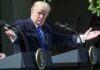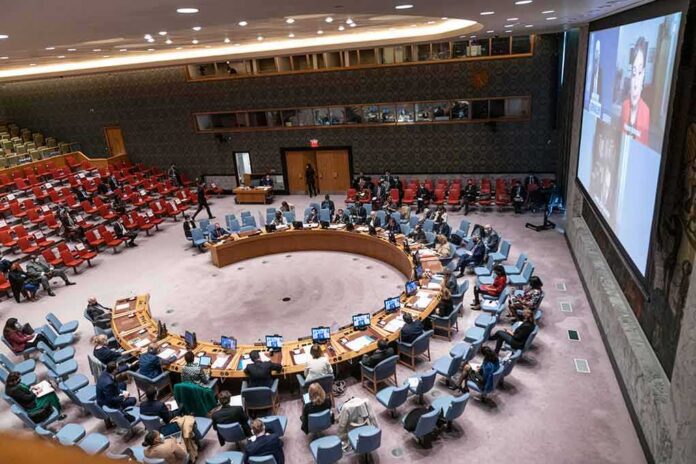
President Trump said he ordered a halt to U.S. trade with Spain after Madrid refused NATO’s 5 percent defense goal, then called Spain “very generous” hours later at the summit.
Story Highlights
- Spain declined NATO’s 5 percent defense spending target and secured a special cap near 2.1 percent of GDP.
- Spain’s defense outlays remain the lowest in the alliance, near 1.28 percent of GDP, far below peers.
- Trump linked Spain’s exemption to unfair burden-sharing and said he ordered trade cutoffs to push compliance.
- NATO formalized a 5 percent by 2035 framework, with 3.5 percent for core defense and up to 1.5 percent for related security needs.
Spain’s NATO Exemption Collides With U.S. Burden-Sharing Push
Spanish leaders declined NATO’s new spending target and negotiated an exemption that caps defense near 2.1 percent of gross domestic product. Alliance texts show a five percent framework by 2035, with a defined 3.5 percent core defense share and optional security spending on top. Policy analysis and reporting identify Spain as the only ally to refuse the goal and secure a carve-out. That decision set Spain apart from partners now planning much steeper hikes to meet the agreed path.
Public data and expert reviews say Spain sits at or near the bottom of NATO on defense effort. Several assessments peg Madrid around 1.28 percent of gross domestic product, the lowest among the thirty-two allies. That rate undercuts shared readiness and leaves more of the real cost to the United States. The White House has argued that persistent free-riding strains American budgets and weakens deterrence, especially as threats rise in Europe and beyond.
Trump Ties Trade Pressure to Alliance Responsibilities
President Trump warned he would use economic tools to enforce burden-sharing after Spain rejected the five percent plan. He said he ordered an end to trade with Spain and blasted Madrid as a “terrible” partner over defense levels, a move that fits a years-long pattern linking tariffs or trade limits to security commitments. Research on allied politics shows U.S. pressure can push European publics and leaders to spend more on defense when they fear reduced American protection.
Reporters at the summit noted a sharp tone, then a softer line when Trump called Spain “very generous” later in the day. That mix reflects a leverage strategy: use hard warnings to get movement, and praise when talks show signs of progress. The administration’s aim is clear—stop the slide where Washington covers the gap while some allies hold back. Officials point to the new NATO benchmarks to argue that five percent is now the common yardstick, not a ceiling.
What the Five Percent Plan Actually Requires
NATO’s public guidance breaks the five percent construct into two parts. Members target 3.5 percent of gross domestic product for core defense and may add up to 1.5 percent for related security, like infrastructure, resilience, and enabling costs. This structure responds to war-driven needs, stockpile gaps, and new technology races. It also tries to stop accounting games that hide shortfalls. Allies endorsed this track at The Hague in 2025, with timelines reaching to 2035 for full delivery.
"Cut off all trade with Spain
President Trump is threatening to end U.S. trade with Spain after criticizing the NATO ally for refusing to commit to the alliance's new defense spending target.
the president said. "We don't want to do any trade business with Spain anymore pic.twitter.com/0rXMd51p1o— Trump Supporter RV🇱🇷 (@TrumpSupportRV) July 9, 2026
Spain’s exemption puts the plan to an early test. Madrid’s agreed cap near 2.1 percent—announced by Spain’s own government—sits well under the shared target. Analysts warn that lower effort in one corner shifts risk to others and invites more U.S. spending to fill holes. That cycle frustrates American taxpayers facing high prices and tight budgets. The White House says tying trade access to defense effort protects U.S. workers and forces fair play inside the alliance.
How This Fight Hits American Readers
Trade pressure may raise near-term costs for firms that buy or sell in Spain. But many voters see the deeper issue. For decades, the United States paid to shield Europe, while some partners cut defense. Supporters of the new approach argue that firm red lines now will lower America’s long-term bills and boost security. They also say it defends a simple rule: no one gets U.S. protection on the cheap while our families face inflation and tax burdens at home.
What Comes Next if Spain Holds the Line
If Spain keeps its exemption, Washington can escalate with targeted tariffs or limits on select imports. Prior episodes suggest pressure can change behavior when allies face real costs. If Madrid raises spending toward the alliance track, trade could normalize. If not, the dispute could widen into broader European talks. That path would test whether the five percent plan is a real commitment or a paper promise, and whether exemptions become the norm or the rare exception.
Sources:
facebook.com, reddit.com, atlanticcouncil.org, nbcnews.com, youtube.com, jstribune.com, nato.int, defensepriorities.org