Dubai’s three‑month shutdown of Catholic churches during the US‑Iran war shows how fast “security” can sideline religious freedom when government power goes unchecked.
Story Snapshot
- Dubai fully reopens its two main Catholic churches on July 1 after three months of tight restrictions.
- In‑person masses were suspended starting April 3 amid the US‑Iran war and “heightened security measures.”
- Authorities pushed worship online, highlighting how crisis language can justify broad control over faith gatherings.
- No clear public explanation details the exact threat or why full closure was needed for months.
Dubai Churches Reopen After Months Of Wartime Restrictions
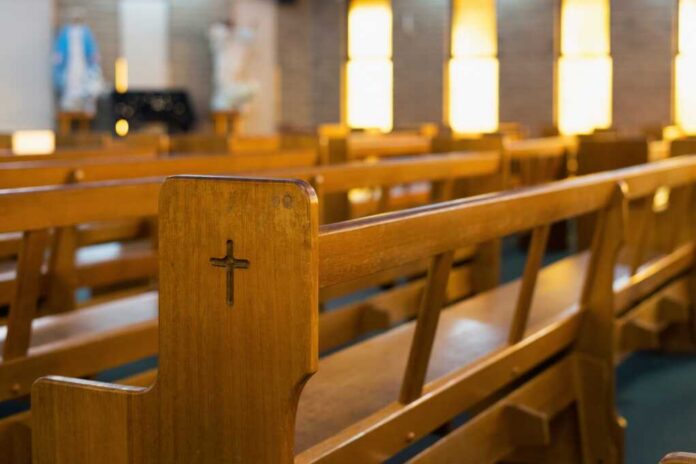
St. Mary’s Catholic Church in Oud Metha and St. Francis of Assisi Catholic Church in Jebel Ali have now confirmed a full reopening, effective July 1, 2026. These are Dubai’s two largest Catholic parishes, serving thousands of expatriate families from around the world. Their leaders shared a directive from the Community Development Authority that lifts remaining limits on age, entry, and online sign‑ups. Regular parish activities, from daily mass to community groups, are now back in person without special hurdles.
Gulf News reported that St. Mary’s told parishioners the Community Development Authority had informed them of a “100 percent reopening” of the church beginning July 1, 2026. St. Francis of Assisi posted a similar message on Instagram, saying the church is “open to resume all activities” under the latest directives from authorities. The reopening marks the end of temporary rules first introduced in April, which had narrowed who could attend and pushed many worshippers onto livestreams instead of inside the church.
How Wartime “Security” Closed Church Doors
The story did not start with reopening. An Instagram reel from early April states that starting April 3, 2026, all churches in Dubai suspended in‑person services for Holy Week and Easter. It explains that prayers and masses moved online “amid heightened security measures” and that authorities said the decision aimed to protect worshippers during large Easter crowds. The closures covered major Catholic, Protestant, and Orthodox churches across the city, including St. Mary’s and St. Francis of Assisi, and were set to last “until further notice.”
Catholic Culture later summarized the situation by noting that civil officials permitted the full reopening of parishes three months after restrictions were imposed “amid the U.S.-Iran war.” A bishop serving the region publicly thanked authorities for “carefully” watching over believers’ safety during what he called a delicate time. Together, these reports tie the shutdown to regional conflict, yet none shares a detailed threat report or specific incident that forced every church to close for months. Instead, the justification rests on general claims of risk linked to the war.
Safety, Control, And Religious Freedom In The Gulf
Local coverage describes how the restrictions worked on the ground. Gulf News notes that during the Spring clampdown, attendance at required weekend masses was limited to adults age eighteen and above, who had to register online before coming. Children and anyone not registered were turned away and told to watch services through livestreams. That mix of hard age caps, entry control, and digital tracking let officials manage crowds and know exactly who was inside church property at any time.
Reports on religion in the United Arab Emirates explain that freedom of worship is allowed only so long as it does not conflict with public policy or public morals. The government already holds strong legal power over non‑Muslim houses of worship, including licensing rules and oversight that can be used during crises. This framework helps explain how quickly civil authorities could order a blanket shutdown of Christian churches in Dubai once they decided “security” was at stake. From a conservative view that values limited government, this should raise red flags.
What We Still Do Not Know About The Closure Decision
Even as churches celebrate full reopening, serious questions remain about how and why the shutdown lasted three months. The available reports mention “heightened security measures,” “rising security concerns,” and the “U.S.-Iran war,” but there is no public security assessment that spells out the specific threat level or a clear timeline for review. No named Dubai official has publicly walked through the decision process, what options were weighed, or what benchmarks had to be met before worshippers could return in person.
I get your point, mate, but I think you're generalising 50+ countries as if they're all the same.
Look at the real world. Iran still has recognised Christian and Jewish communities with churches, synagogues and reserved seats in parliament. The UAE has churches all over Dubai,…
— salahuddin (@salahuddin7302) July 5, 2026
For Christians living under this system, the events are a reminder that rights can be paused whenever officials frame a crisis as big enough. Neutral research on the region shows Gulf states often use safety language to manage religious life during times of conflict, aiming to look inclusive while keeping tight control. That pattern matters for Americans who care about religious liberty and the rule of law. When foreign governments can shut churches for months with limited transparency, it highlights how precious our First Amendment truly is—and why any erosion of it at home must be resisted.
Sources:
lifesitenews.com, curlytales.com, facebook.com, instagram.com, reddit.com