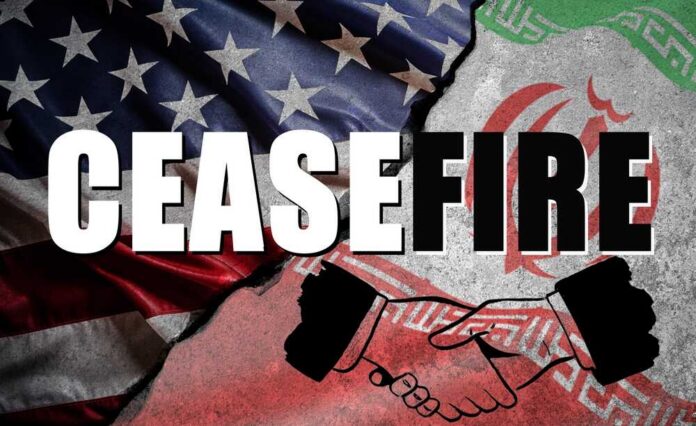
A two-week U.S.-Iran ceasefire is set to lapse as the Strait of Hormuz becomes the trip wire that could spike oil prices and pull America back into open conflict.
Quick Take
- The ceasefire was expected to expire Tuesday night in the U.S. (early Wednesday in the Middle East), with Washington signaling an extension is unlikely without a broader deal.
- President Trump publicly warned Iran of severe consequences and refused to lift a U.S. blockade absent an agreement, framing leverage as the path to peace.
- Iran’s parliament speaker rejected talks “under threats,” while Iran’s president urged diplomacy—highlighting internal tension over whether to negotiate or escalate.
- The Strait of Hormuz remains central because of its role in global energy shipping, making any disruption a pocketbook issue for Americans already angry about inflation.
Ceasefire Expiration Puts a Global Oil Chokepoint Back on the Clock
U.S. and Iranian signals on April 21 pointed in opposite directions as the two-week ceasefire approached expiration. President Donald Trump warned of major consequences if Tehran does not negotiate and said the U.S. would not lift its blockade without a deal. Iranian leaders pushed back publicly, with parliament speaker Mohammad-Bagher Ghalibaf rejecting talks under pressure even as President Masoud Pezeshkian called for diplomacy. Iran’s attendance at reported Pakistan talks remained uncertain.
The immediate risk is less about rhetoric and more about geography: the Strait of Hormuz is a narrow corridor where shipping disruption can ripple through energy and insurance markets quickly. Research provided for this story describes Hormuz as a potential flashpoint and notes the ceasefire’s end could coincide with renewed confrontation tied to shipping and naval pressure. As of the available reporting, there was no confirmed, sustained closure—only rising uncertainty as the deadline arrived.
Trump’s Leverage Strategy: Blockade Pressure and Explicit Strike Threats
Trump’s posture combined diplomacy with coercion. The research summary indicates he threatened strikes on Iranian power plants and bridges if no deal emerged and described an extension of the ceasefire as unlikely without a negotiated outcome. That approach aims to force clarity: either Tehran accepts terms, or it faces intensified military and economic costs. Supporters argue that blunt signaling can prevent a drawn-out war by removing ambiguity, while critics warn it may harden Iranian resistance.
The blockade itself is a key point because it blends military posture with economic pressure, and it intersects directly with domestic concerns. Conservatives who feel Americans were overtaxed by past foreign-policy drift will watch whether Washington can use strength to end conflict quickly, not manage it indefinitely. Liberals skeptical of escalation will focus on whether the administration can avoid wider war. In both camps, frustration grows when Washington’s decisions seem disconnected from everyday costs.
Iran’s Split Screen: Defiance from Parliament, Diplomacy from the Presidency
Iran’s official messaging showed a split between defiance and outreach. Ghalibaf rejected negotiations “under threats” and signaled Iran could play “new cards,” while Pezeshkian argued that war benefits no one and emphasized diplomacy. The research also states Iran used the truce period to restock missiles and drones, an indicator that Tehran expects the ceasefire could fail. That preparation does not prove escalation is inevitable, but it does raise the cost of miscalculation.
Pakistan’s role as a prospective venue for talks adds another layer of uncertainty. The research notes U.S. negotiators, including Vice President JD Vance and envoy Steve Witkoff, were tied to the Islamabad track, while Iran’s participation was not confirmed. When participation is unclear so close to a ceasefire deadline, markets and allies tend to assume a higher probability of renewed conflict—even if both sides still leave the door open to last-minute diplomacy.
Why Hormuz Matters at Home: Inflation Sensitivity and Trust in Government
Energy markets are where foreign policy hits household budgets fastest. The research frames Hormuz as a “trip wire” because a disruption can raise oil prices and shipping costs, feeding inflation Americans have struggled with for years. For voters who already believe government leaders protect elite interests first, another price shock tied to a faraway conflict can deepen cynicism. The political danger is that Americans hear promises of stability but experience higher costs and fewer clear answers.
The Iran Ceasefire Is Dead: The Strait of Hormuz Trip Wire Could Ignite a New Warhttps://t.co/UqbsKCi5ld
— 19FortyFive (@19_forty_five) April 21, 2026
Available reporting also highlighted how quickly a ceasefire narrative can shift into escalation headlines, especially when naval seizures, threats, and deadlines overlap. What remains unclear from the provided material is whether either side is prepared to publicly accept off-ramps that look like compromise rather than victory. Until that becomes clear, the Strait of Hormuz will function as both a strategic chokepoint and a psychological one: a place where a single incident can trigger an outsized response.