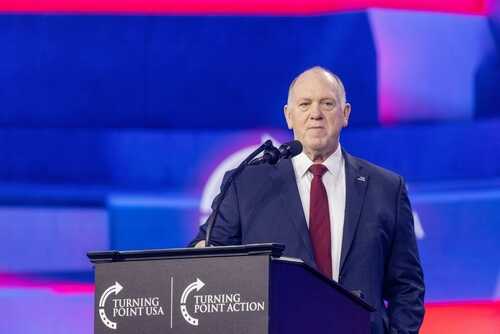
Border Czar Tom Homan reveals the ICE agent who fatally shot U.S. citizen Renee Good is now “in hiding” amid escalating threats and political backlash.
Story Highlights
- ICE Agent Jonathan Ross, who shot Renee Good, is reportedly in hiding according to Tom Homan
- Video evidence contradicts federal claims that Good “ran over” the officer during the January 8 incident
- Trump administration officials characterized Good’s actions as “domestic terrorism” before investigation concluded
- DHS Secretary Kristi Noem claims over 100 similar vehicle incidents occurred in recent weeks
ICE Agent Jonathan Ross Confirmed in Hiding
White House Border Czar Tom Homan confirmed that ICE Enforcement and Removal Operations officer Jonathan Ross is currently “in hiding” following his fatal shooting of 37-year-old Renee Good on January 8 in south Minneapolis. Ross, who has worked ICE operations in Minnesota since 2017, fired three shots at Good’s Honda Pilot during what federal authorities characterized as an enforcement operation. The officer was hospitalized immediately after the incident but has since been released, though his current location remains undisclosed due to security concerns.
Tom Homan Says ICE Agent Who Shot Renee Good Is ‘In Hiding’ https://t.co/nw0tNAlrfa via @@YahooNews
— pissoffeveryone (@PMyers2) January 14, 2026
The decision to place Ross in protective hiding reflects escalating tensions between federal immigration enforcement and local Minneapolis leadership. DHS Secretary Kristi Noem accused Minneapolis officials of inflaming public sentiment against federal agents, claiming they “encouraged the kind of destruction and violence” that has reportedly occurred since the shooting. This represents a significant escalation in federal-local conflict over immigration enforcement policies under the Trump administration’s renewed border security initiatives.
Video Evidence Contradicts Federal Narrative
Multiple videos posted on social media directly contradict claims made by President Trump and DHS officials regarding the circumstances of Good’s death. Trump stated that Good “violently, willfully, and viciously ran over the ICE officer,” but video evidence shared by the President himself showed no officer being run over. CBS News reported that witness accounts and video footage corroborate that federal authorities mischaracterized the incident, raising serious questions about the justification for lethal force.
The shooting occurred when federal agents approached Good’s Honda Pilot and attempted to conduct an arrest. An agent tried opening the driver’s side door while Good attempted to drive away from the scene. After three shots were fired, the Honda traveled several feet before crashing into another car. This sequence of events, captured on video, directly challenges the federal narrative of Good weaponizing her vehicle against law enforcement officers.
Watch: https://www.youtube.com/watch?v=jW49F4k8NR0
Pattern of Federal Force in Vehicle Encounters
Ross’s involvement in the Good shooting follows a similar incident six months earlier in Bloomington, Minnesota, where he was dragged approximately 100 yards by a suspect’s vehicle. In that case, Ross broke the vehicle’s rear window and reached inside to unlock the door when the suspect drove off, dragging the agent and requiring 33 stitches for his injuries. The suspect was federally charged with assaulting a federal officer with a dangerous weapon, establishing a precedent for aggressive federal prosecution in vehicle-related encounters.
A similar case involving a woman named Martinez demonstrates concerning patterns in federal law enforcement tactics. Justice Department agents fired five shots at Martinez while she remained inside her vehicle, leading to federal assault charges. However, prosecutors dropped all charges against Martinez six weeks later with prejudice, meaning they cannot be refiled. This precedent suggests potential systemic issues with federal agents’ use of lethal force in vehicle-related encounters and subsequent prosecutorial decisions.
Political Fallout Intensifies Federal-Local Tensions
Minneapolis Mayor Jacob Frey directly challenged the federal narrative, calling it “bulls**t” and characterizing the incident as a “federal agent recklessly using power.” Frey distinguished between supporting local police officers, who “deserve our full-throated support,” and holding federal agents accountable for questionable use of force. This distinction reflects growing tensions between local law enforcement accountability standards and federal immigration enforcement tactics under the current administration’s policies.
Sources:
CBS News Minnesota: Minneapolis ICE Agent Shooting Live Updates
Cato Institute: What Is Renee Good’s Story
Politico: Tom Homan Pleads with Minnesota Leaders on ICE Rhetoric