If you think the Iran-Israel saga is just another chapter in the endless Middle East drama, wait until you hear what Iran’s Supreme Leader has planned for any would-be attackers—because this time, the next move might just rewrite the rules of the game.
At a Glance
- Iran’s Supreme Leader vows a response greater than the last war if attacked again.
- The 2025 Iran-Israel war began with direct strikes and ended with a tense ceasefire.
- The United States intervened militarily, altering regional power dynamics.
- Proxy groups have been weakened, but both sides remain on high alert.
How the Iran-Israel Rivalry Escalated into a Shooting War
For years, Iran and Israel danced around each other like two heavyweight boxers refusing to touch gloves. The gloves finally came off in June 2025, when Israel launched Operation Rising Lion, targeting Iranian nuclear sites and military assets. Iran didn’t just absorb the punches—within hours, it unleashed a barrage of missiles and drones, demonstrating that its threats weren’t for show. The world watched as a proxy standoff turned into a direct slugfest, with the region holding its breath and insurance premiums skyrocketing faster than a Tel Aviv startup IPO.
Watch: Iran Leader Khamenei’s SCORCHING Attack On Israel & U.S.
While the world expected the usual tit-for-tat, things took a historic turn when the United States dropped any pretense of neutrality and bombed Iranian nuclear facilities. Operation Midnight Hammer, as it was called, marked a seismic shift in the regional chessboard. Suddenly, everyone from Beirut to Brussels realized this wasn’t another round of saber-rattling. With proxies weakened and direct confrontation now reality, the Iran-Israel rivalry entered uncharted territory.
Supreme Leader’s Warning: “You Haven’t Seen Anything Yet”
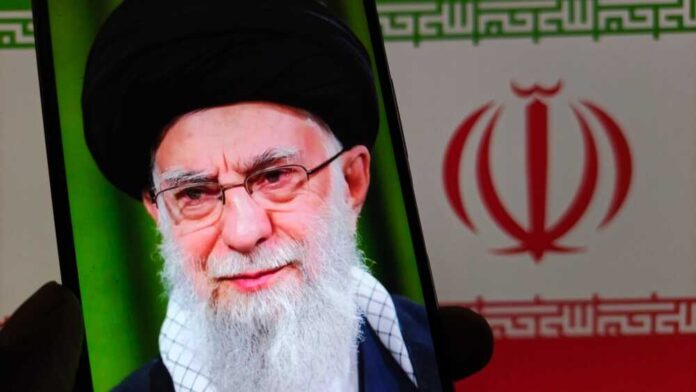
After the dust settled and a ceasefire was patched together, Iran’s Supreme Leader, Ayatollah Ali Khamenei, issued a warning that could make even the most seasoned diplomats reach for their antacids.
BREAKING: Iran 'ready to respond' to any renewed military attack, says Iran's Supreme Leader Ali Khameneihttps://t.co/TC2ROCL7wW
📺 Sky 501, Virgin 602, Freeview 233 and YouTube pic.twitter.com/Rcr0WAiK1j
— Sky News (@SkyNews) July 16, 2025
He declared that if Iran faced another attack, its response would eclipse anything seen during the recent 12-day war. Khamenei’s words weren’t just for the cameras—they were aimed at every intelligence analyst calculating risk, every regional leader wondering if they’re next, and every Israeli official weighing their next move. In Tehran, this posture is more than rhetoric. It’s a signal that Iran has not only survived a major blow but is doubling down on its readiness.
Iran’s readiness isn’t just about military firepower. It’s psychological warfare, too. The Supreme Leader’s statement is part warning, part dare, and part recruitment ad for anyone who ever wanted to join the “Don’t Mess With Us” club. For Iran’s adversaries, this means recalculating every scenario, knowing that one misstep could trigger a response designed to shock and awe in the literal sense.
Who’s Holding the Matches in This Powder Keg?
Three key players are holding the strings in this high-stakes marionette show: Iran’s Supreme Leader, Israel’s Prime Minister Benjamin Netanyahu, and the United States government. Each has their own motivations. Iran is determined to protect its nuclear program and project power across the region, using everything from missiles to media campaigns. Israel, meanwhile, views a nuclear Iran as an existential threat and is willing to take extraordinary risks to stop it. The U.S. seeks to back its ally while preventing total regional meltdown—but as June 2025 proved, sometimes the best-laid plans end up in the blast radius.