A sitting lawmaker and her husband gunned down in their own home while the country reels from a spree of targeted political violence—yet we’re expected to believe this is just the new normal for American politics?
At a Glance
- Melissa Hortman, former Minnesota House Speaker, and her husband were assassinated at their home by a politically motivated gunman impersonating law enforcement.
- The attacker was targeting Democratic lawmakers and abortion rights advocates, carrying a hit list with nearly 70 names.
- The killings triggered national shockwaves, with President Biden and Vice President Harris attending the funeral.
- Minnesota’s House has temporarily shifted to Republican control following Hortman’s death, sparking political instability and calls for urgent reform.
Political Violence Erupts in Minnesota, Shakes Nation
On June 14, 2025, what should have been another quiet night in Brooklyn Park, Minnesota, instead became a dark chapter in American political history. Melissa Hortman, a name synonymous with Minnesota’s Democratic leadership, and her husband Mark, were murdered in their own home by a man who masqueraded as a police officer. The same criminal shot and critically wounded State Senator John Hoffman and his wife earlier that night, escalating a spree that left the state reeling and the nation asking how political violence has become so routine.
🚨BREAKING: Politically Motivated Assassination: Minnesota Rep Melissa Hortman and her husband shot and killed. Sen John Hoffman and spouse, also shot.
SUSPECT IDENTIFIED as Vance Boelter, a Tim Walz appointee. Confirmed to have "No Kings" flyers in vehicle. Walz was announced… pic.twitter.com/dJQzN0yHC7
— Frankie Rodriguez (@realfrankierod) June 14, 2025
Authorities quickly identified the shooter as Vance Luther Boelter, who was arrested after a statewide manhunt. His motivation? A targeted vendetta against Democratic officials and abortion rights advocates. Police found a chilling list of nearly 70 intended targets in his possession. This wasn’t a random act or a “lone wolf” lashing out at the world—this was a premeditated attempt to reshape the political landscape through terror. It’s a scenario that should sound absurd in America, but here we are, watching it unfold in real time.
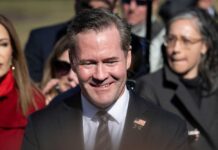
Police release images of suspect in shootings of Minnesota lawmakers
A State and Country in Shock: The Fallout from the Attack
In the days following the attack, the grief and outrage were impossible to ignore. Minnesota, a state long known for its civic engagement and open government, was left rattled by violence that struck at the very heart of its political system. The scale of the response underscored the gravity of the incident. National leaders from both parties, including President Biden and Vice President Harris, attended the funeral for the Hortmans, signaling just how deeply this tragedy cut into the American consciousness.
Why Is Political Violence Becoming “Normal”?
Let’s get to the heart of the matter: How did we arrive at a place where assassinations of elected officials don’t even command lasting outrage? Experts point to a toxic stew of political polarization, demonization of opponents, and the mainstreaming of extremist rhetoric as the accelerants behind this fire. Harsh words and calls for “action” against political foes have moved from the fringes to the front pages, and now, apparently, to people’s front doors.
This isn’t the 1960s, when the country responded to political murders with shock and reform. Today’s violence is often perpetrated by individuals driven by incoherent ideologies, and the response is muted, almost as if we’ve come to expect this level of chaos. Surveys show a disturbing trend: Growing numbers of Americans on both sides of the aisle are willing to accept political violence as a legitimate tool. That’s right—accept. As if sending a hit list to your enemies is just another form of political speech. If this isn’t a wake-up call for the country, what is?
The Real Cost: Democracy and Public Service in the Crosshairs
The immediate aftermath of the Hortman assassination has been a scramble for security, with public officials fortifying their homes and reconsidering their commitment to public service. The financial cost of increased law enforcement measures is one thing, but the real price may be paid in the erosion of democracy itself. When serving your community means putting your life on the line, who will step up? Who wants to run for office when the risk isn’t just losing an election, but losing your life?
Democrats have lost a key leader, but the broader public has lost something more: the sense that political disputes can be settled at the ballot box, not with bullets. Experts warn that unless the underlying causes—rhetoric, polarization, and a growing acceptance of violence—are confronted head-on, the United States risks normalizing a dystopian reality. The hostile climate is already pushing potential candidates away from public life. If this trend continues, the real winners are those who believe that intimidation, not debate, should rule the day.