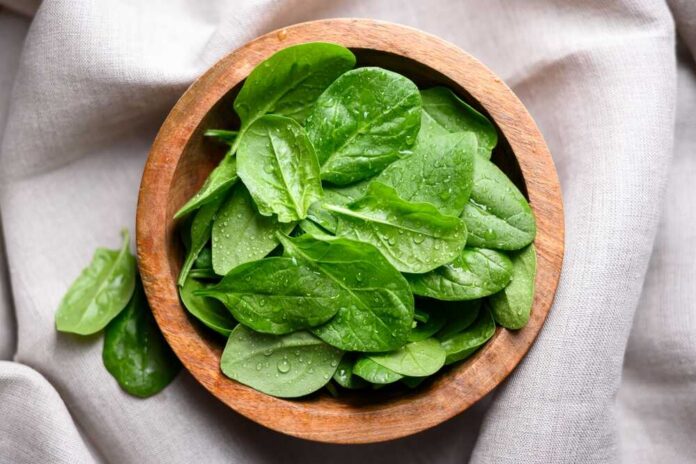
A everyday nutrient from common vegetables could empower Americans’ immune systems to fight cancer more effectively, bypassing Big Pharma’s expensive drugs amid a healthcare crisis.
Story Highlights
- University of Chicago researchers discovered zeaxanthin boosts CD8+ T-cell activity against tumors by stabilizing T-cell receptors.
- In mouse models, dietary zeaxanthin slowed cancer growth and enhanced immunotherapy like checkpoint inhibitors.
- Human cell tests showed improved killing of melanoma, multiple myeloma, and glioblastoma cells.
- Found in spinach, corn, and eggs, zeaxanthin offers safe, accessible potential without new regulations or elite gatekeeping.
Breakthrough Discovery at University of Chicago
Jing Chen’s lab at the University of Chicago screened blood nutrients and identified zeaxanthin as a stabilizer of T-cell receptor complexes on CD8+ T cells. These immune cells recognize and destroy tumors. Zeaxanthin strengthens TCR formation, leading to greater T-cell activation, cytokine production, and tumor-killing power. Published April 10, 2026, in Cell Reports Medicine, the study shifts zeaxanthin from eye health to anti-cancer potential. This preclinical work highlights diet’s role in immunity, appealing to those frustrated with overpriced treatments.
Proven Effects in Mouse Models and Human Cells
Mouse experiments demonstrated dietary zeaxanthin supplementation slowed tumor growth independently. Combined with immune checkpoint inhibitors, like PD-1 blockers approved since 2014, it amplified anti-tumor responses beyond immunotherapy alone. Engineered human T cells treated with zeaxanthin better eliminated melanoma, multiple myeloma, and glioblastoma cells in lab assays. Chen noted its “completely new function in boosting anti-tumor immunity,” with high translational potential due to established safety from eye supplements. Such findings empower individuals against diseases amid government healthcare failures.
Contrasts with Risky Antioxidants
Unlike glutathione, which a 2025 University of Rochester study found fuels tumor growth by providing cancer cells a nutrient source in harsh environments, zeaxanthin targets immune enhancement without direct tumor feeding. Glutathione supplements, unregulated by FDA, risk promoting cancers like breast tumors. Zeaxanthin differentiates by stabilizing immune signaling, not acting as general antioxidant. This precision aligns with conservative values of personal responsibility through diet, avoiding pitfalls of unproven pills pushed by influencers and elites.
A common nutrient could supercharge cancer treatment.
Gynecologic Oncology Conference 2026, April 26, Online..
Call for Abstract: https://t.co/trUOSzxvdX #gynecologiconcology #gynecologicconference #cancerresearch #ovariancancer #wowoncology pic.twitter.com/qmaqVBvtCb— WOWONCOLOGY (@wowoncology) April 12, 2026
Implications for Patients and Policy
Cancer patients with melanoma, myeloma, or glioblastoma stand to benefit most, alongside immunotherapy users. Economically, vegetables and supplements undercut costly therapies, boosting nutraceutical access without expanding welfare or regulations. Socially, it promotes self-reliance via everyday foods like spinach and eggs, countering divides from elite-driven policies. Politically, under President Trump’s second term with GOP control, NIH could prioritize such trials, challenging deep state resistance to affordable innovations that restore the American Dream of health through hard work.
Sources:
ScienceDaily: Common nutrient zeaxanthin supercharges immune cells against cancer
University of Chicago: Plant-based nutrient improves immune cells’ ability to fight cancer
Tribune India: This common nutrient could supercharge cancer treatment
University of Rochester: Glutathione as tumor fuel
Biomedwire: Researchers find common nutrient could supercharge immune cells