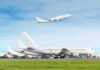
Nazi Germany’s revolutionary Me 262 jet fighter outpaced Allied aircraft by 120 mph, yet bureaucratic tyranny and political meddling ensured it arrived too late to challenge American resolve in World War II.
Story Highlights
- Me 262 became the world’s first operational jet fighter, topping 540 mph—120 mph faster than the P-51 Mustang.
- Hitler’s insistence on redesigning it as a bomber delayed deployment until April 1944, when Germany faced defeat.
- Political interference from Hitler and Göring exemplifies how elite overreach squanders technological superiority.
- Captured Me 262s advanced U.S. Cold War fighters, turning enemy innovation into American strength.
Development and Radical Design
Willy Messerschmitt’s team launched Projekt 1065 in April 1939, aiming for jet propulsion with two Junkers Jumo 004 turbojets. The design featured swept wings, a streamlined fuselage, and tricycle landing gear—features decades ahead of Allied fighters. This marked Germany’s push into the Jet Age, powered by engineering prowess unmatched at the time. The aircraft’s radical form promised dominance over piston-engine rivals like the P-51 Mustang and Spitfire.
Delays from Political Interference
Engine troubles and metallurgy issues slowed progress, but Hitler’s demand to convert the interceptor into a ground-attack bomber caused the gravest delay. Luftwaffe chief Hermann Göring’s meddling compounded problems. The first jet-powered flight occurred July 18, 1942, yet production waited until April 1944. This top-down interference diverted resources, mirroring how unelected elites today undermine national priorities with misguided agendas.
First Combat and Operational Limits
On July 26, 1944, Lieutenant Alfred Schriber flew the Me 262’s debut air-to-air engagement against RAF Flight Lieutenant Albert Wall’s de Havilland Mosquito. Despite the Mosquito’s speed exceeding 400 mph at 30,000 feet, the jet intercepted it effortlessly. Units like Erprobungskommando 262 and Kampfgeschwader 51, led by ace Adolf Galland, wreaked havoc on B-17 and B-24 formations with four 30mm cannons.
Allies avoided dogfights, targeting jets on runways during vulnerable takeoffs and landings. Fuel shortages, pilot losses, and bombed factories limited output to under 1,500 units. By deployment, Allied air superiority prevailed, rendering the Me 262’s speed irrelevant.
Strategic Failure and Lasting Legacy
The Me 262 restored brief Luftwaffe edge but could not reverse Germany’s losses. It highlighted timeless truths: innovation demands timely execution, free from political sabotage; quantity and logistics trump isolated quality. Captured in 1945 at Schleswig, these jets fueled U.S. advancements, ensuring American ingenuity absorbed and surpassed the threat. This saga warns against bureaucratic waste, echoing frustrations with modern government overreach that prioritizes elites over results.
Nazi Germany Built the World’s First Jet Fighter. It Was 120 MPH Faster Than Anything the Allies Had. It Arrived Too Late to Matter. We Photographed the Real Thing.https://t.co/fliCCcO38A
— Harry J. Kazianis (@GrecianFormula) April 13, 2026
Sources:
Smithsonian Air and Space Museum: Official museum collection documentation