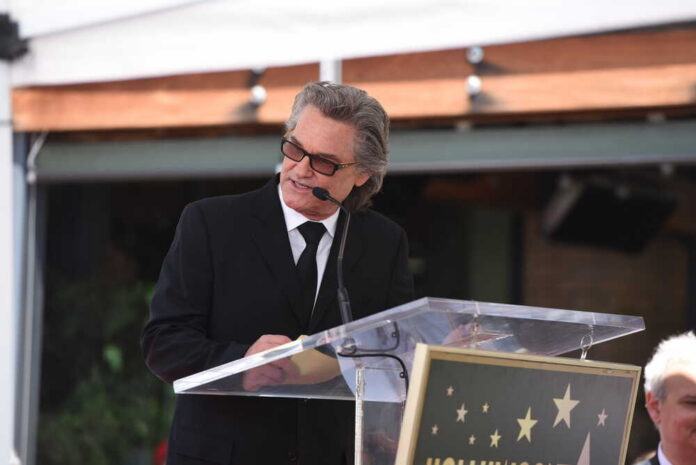
Kurt Russell’s revelation about hosting Princess Diana and her young sons at his secluded Colorado ranch exposes the relentless media harassment that drove a mother to flee across an ocean just to find peace for her family.
Story Highlights
- Kurt Russell disclosed Princess Diana stayed at his Colorado ranch with Princes William and Harry during her marriage collapse to escape paparazzi intrusion
- The invitation originated from a 1991 Backdraft screening where Russell sat between Diana and Charles, witnessing their marital tensions firsthand
- Russell’s ranch offered a rare sanctuary with its long driveway deterring media hounds, facilitated through Goldie Hawn’s friendship with Sarah Ferguson
- The 2026 interview revelation humanizes Diana’s struggle for family privacy amid relentless media overreach that foreshadowed her tragic death
Hollywood Sanctuary From Media Predators
Kurt Russell revealed in a March 2026 Australian television interview that Princess Diana sought refuge at his Colorado ranch with Princes William and Harry during the mid-1990s collapse of her marriage to Prince Charles. The Hollywood actor extended the invitation after meeting Diana at a 1991 royal screening of Backdraft, where he sat between the estranged couple and witnessed their marital discord. Russell’s property featured a long, secluded driveway that effectively deterred paparazzi intrusion, offering Diana a rare escape from the media circus that plagued her daily existence in Britain.
The arrangement materialized through Goldie Hawn’s social connection with Sarah Ferguson in Aspen, bridging Russell’s Hollywood circle with British royalty. Russell recounted Diana bringing her sons to stay at the house, emphasizing the property’s natural defenses against invasive photographers. His 2026 comments echoed a brief 2016 LAX paparazzi exchange where he confirmed both Diana and Charles were “good house guests,” though the full story remained untold until now. The timing aligned with Diana’s desperate search for normalcy as publicized infidelities and separation in 1992 intensified media scrutiny.
Witnessing Royal Marriage Breakdown
Russell’s firsthand observation of the Charles-Diana dynamic at the Backdraft screening provided crucial context for his hospitality offer. Seated between the couple at a formal royal engagement, the actor recognized Diana’s genuine distress over paparazzi harassment and offered his secluded property as a solution. The screening itself occurred amid escalating tensions that would culminate in their 1992 separation and 1996 divorce. Russell’s willingness to provide sanctuary reflected not political calculation but human empathy for a mother seeking safety for her children, a value resonating with families who prioritize protecting loved ones from external threats.
The ranch visit represented a stark contrast to Diana’s UK experience, where media hounding reached levels that undermined basic family privacy. Russell noted the difficulty paparazzi faced accessing his property, a practical deterrent that gave Diana and her young sons breathing room. This private escape differed from Diana’s publicized charity work or controversial affairs, instead highlighting her maternal instincts and the extreme measures required to shield William and Harry from intrusive cameras. The story underscores how media overreach can force individuals to extraordinary lengths to reclaim fundamental privacy rights.
Legacy Of Privacy Invasion
Russell’s 2026 revelation refreshes Diana’s narrative in an era where media intrusion remains contentious, particularly regarding public figures’ children. The account adds dimension to understanding her pre-death struggles, occurring years before the 1997 Paris car crash that killed her while fleeing paparazzi. Diana’s reliance on Russell’s hospitality exemplifies the vulnerability even royalty faced against unchecked media aggression, a cautionary tale about privacy erosion that conservatives recognize threatens all families. The story gained traction through interview clips recirculated online, reminding audiences of the human cost when boundaries dissolve.
The anecdote carries minimal political weight but reinforces principles of personal sanctuary and family protection that transcend ideology. Russell and Hawn’s quiet facilitation, coordinated through Ferguson’s Aspen connections, demonstrated decency without fanfare. For William and Harry, now adults, the story memorializes their mother’s efforts to provide normalcy amid chaos. Russell’s reluctance to exploit the tale until 2026 contrasts with today’s instant-publicity culture, reflecting older values of discretion. The ranch visit remains a footnote in Diana’s complex legacy, yet it powerfully illustrates why protecting family privacy from relentless outside forces matters fundamentally.