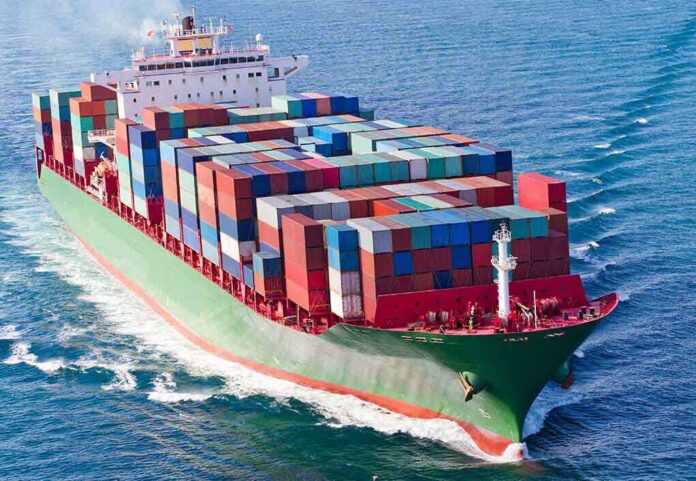
Houthi leaders insist the Bab al-Mandab is “safe” and “free,” even as global authorities warn navigation rights must be restored.
Story Highlights
- Houthi spokesmen say the Red Sea chokepoint is open, safe, and fee-free.
- United Nations and U.S. maritime alerts still flag elevated risks to ships.
- Reports say some vessels have diverted and war-risk insurance climbed.
- Energy flows and U.S. consumers face higher costs if disruption grows.
Houthis Claim Safe, Free Passage Through Bab al-Mandab
Houthi officials stated that navigation and trade through the Red Sea and the Bab al-Mandab Strait are secure, regular, and not under threat. Their coordination center said it has not imposed transit fees and described any safe-passage service as voluntary and free. The group told shippers there was no cause for concern and that dozens of vessels continue to pass daily. These assurances came in public statements carried by regional and trade outlets that repeated the core message of open access.
Houthi spokesmen also framed their operations as confined to specific targets and defensive in nature. One official said freedom of navigation remained “safe and uninterrupted,” seeking to calm industry fears after new territorial gains near the waterway. Trade media noted the group saw “no reason” to stop certain tanker traffic “at present,” signaling a selective approach to risk rather than a blanket closure. These remarks reinforced a narrative of controlled, rule-bound behavior in the strait.
Global Warnings Undercut the Houthi Assurances
The United Nations said international navigational rights and freedoms in and around Bab al-Mandab “must be fully restored,” a clear signal that conditions still fall short of normal. The United States Maritime Administration warned that ships in the Southern Red Sea, the strait, and the Gulf of Aden face elevated danger from Houthi hostile actions. Those actions have included drones, missiles, small arms fire, explosive boats, and illegal boardings, according to the advisory.
Reuters reported that more ships changed course in the Red Sea after new threats and that a European naval advisory urged higher-risk vessels to avoid the area. Another Reuters report said Iran could use Houthi allies to pressure the Red Sea gateway, putting vital energy arteries at risk. Together these accounts describe a market and security picture that still treats the chokepoint as unstable, despite the Houthis’ public calming language.
Selective Exemptions and Ongoing Risk to Commerce
Some Houthi statements indicated exemptions or targeted limits, at times singling out Saudi-linked shipping. That carveout undercuts a universal claim of safe, fee-free passage for all flag states and owners. The patchwork message creates uncertainty for carriers, insurers, and port planners. Without a transparent framework, operators must assume policy could change quickly or unevenly, which raises delay odds and risk premiums for any ship that might later be defined as a target.
The Houthis have made a major push towards one of the world's most critical shipping chokepoints. The remaining government-held stretch of Yemen’s Red Sea coastline, seized key towns including Mokha and Dhubab, and moved onto strategic islands in the Bab al-Mandab Strait. pic.twitter.com/wPuAFIEkix
— Shogri (@shogri786) September 11, 2026
War-risk insurance reportedly rose for southern Red Sea voyages after attacks and fresh warnings, forcing shippers to pay more to move goods. Each added dollar shows up later in store prices, fuel costs, and farm inputs back home. That is why U.S. families, truckers, and small businesses care about a strait many miles away. When rogue actors hold a chokepoint, energy prices and supply lines in America feel the pain. Risk at Bab al-Mandab is not someone else’s problem.
What This Means for U.S. Policy and Energy Security
President Trump’s team faces a familiar truth: peace through strength keeps trade lanes open and prices down. Clear red lines, tight sanctions on enablers, and real-time support to allies deter attacks that raise costs for U.S. families. Maritime patrols, better convoy coordination, and hard penalties for strikes on civilian ships are tools that work. Americans should demand safe seas without paying hidden tolls to armed groups that bypass law and threaten free commerce.
Bottom Line for Readers
Houthi leaders say “no cause for concern,” but top international and U.S. warnings say risk remains. The gap matters. When ships reroute or insurers hike rates, costs hit our wallets. Strong U.S. resolve, allied coordination, and a firm stance against any coercion at the chokepoint protect American energy security and jobs. Free navigation is a core freedom. It must be defended in full, not managed by militants with shifting rules and selective exceptions.
Sources:
dunyanews.tv, dawn.com, middleeastmonitor.com, lloydslist.com, time.com, english.ahram.org.eg, aei.org