A Venice Film Festival teaser paints Elon Musk as both a genius and a looming authoritarian, igniting a fresh culture clash over power and free speech.
Story Highlights
- Bleecker Street released a teaser for Alex Gibney’s long documentary, “Musk.”
- The film premieres out of competition at the Venice Film Festival on Sept. 8.
- Clips praise Musk’s innovation, then label him chaotic and even “fascist.”
- The project spotlights a broader fight over documentary framing and defamation law.
Teaser Sets Polarizing Frame Before Venice Premiere
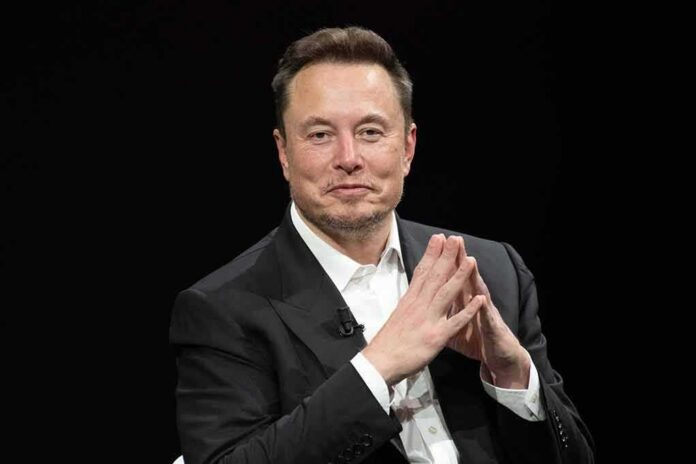
Bleecker Street released the first teaser for director Alex Gibney’s documentary “Musk,” confirming the film’s central tension: Elon Musk as a visionary and a menace. The short clip starts with praise for his inventions and reach, then pivots to stark attacks on his character and motives. The release comes just ahead of the world premiere at the Venice Film Festival, where the nearly four-hour film will screen out of competition. The cut’s sharp contrasts signal a combative media moment.
Variety reported the Venice debut is set for September 8, followed by a stop at Toronto. The teaser asks if Musk is a “fascist,” placing the richest tech leader’s record next to a grim label with deep political weight. That hook guarantees attention and sparks debate about fairness in storytelling, especially when editing can shape a viewer’s take more than any one fact. The timing and tone show the distributors know they have a flashpoint on their hands.
What The Film Claims And Why It Matters
Coverage of the teaser notes testimonies that call Musk “possibly the greatest living inventor,” and then “a man who has lost his mind,” underscoring the film’s praise-and-condemn track. People’s summary reflects how Gibney will juxtapose achievement with alarm about behavior and influence. That method fits a modern documentary style that pressures audiences to judge a person’s fitness for power, not just their output. It puts Musk’s leadership, speech, and reach on trial in the court of culture.
The Hollywood Reporter described the documentary’s running time at about three hours and forty-five minutes for festivals, with a wider Bleecker Street release planned and a later television cut. That length signals an attempt at a sweeping case about one man’s rise, deals, and public persona. A long-form structure lets the filmmakers stack episodes and reactions, which can create a strong impression even when individual facts remain disputed or less dramatic on their own. That is the heart of the framing debate.
The Bigger Fight: Journalism, Advocacy, Or Reputation Warfare?
Media-law guidance says public figures face a high bar to win defamation suits because they must prove “actual malice,” meaning knowledge of falsity or reckless disregard for the truth. That standard protects tough reporting and opinion while still punishing lies. As a result, most high-profile documentary fights hinge less on a single false claim and more on how editing, narration, and music imply intent or evil. The legal line is narrow, and many films push right up against it.
🎬🚨 **ALEX GIBNEY’S MUSK DOCUMENTARY IS ALREADY SPARKING CONTROVERSY**
The teaser for Alex Gibney’s upcoming Musk documentary is out—and critics are already questioning whether the four-hour film will offer a balanced examination of Elon Musk or focus heavily on his… https://t.co/EDmn2akybK
— Maria F. Etheridge (@MariaFEthehifl) September 8, 2026
For conservative readers, the stakes are simple: labels like “fascist” can chill open debate, punish dissent, and smear successful innovators who challenge elite narratives. Musk’s companies build rockets, cars, and networks. His platform hosts free speech that many gatekeepers dislike. When a major film frames him as dangerous, it risks turning policy battles into character assassinations. That slide encourages censorship, not argument. The right answer to speech we dislike is more speech, not loaded edits.
What To Watch As The Film Rolls Out
Festival reactions will likely split along political lines. Viewers will hear anecdotes that cast Musk as brilliant and reckless, and they will see cuts designed to shape mood. The question is whether the film treats power fairly or tilts into advocacy. If it avoids clear factual errors, it will likely enjoy strong legal protection under the First Amendment framework. But public judgment will turn on balance and context, not just crowd-pleasing jabs or applause lines.
Conservatives should track three things. First, whether the film includes strong voices who worked with Musk and support his methods, not only critics. Second, whether claims about “authoritarian” behavior are tied to concrete acts, not vibes. Third, how news outlets summarize the film. Headlines can harden a smear before people see the work. Stay alert, watch the full cut when it opens, and judge the evidence yourself. Do not let condensed clips decide the truth for you.
Bottom Line For Readers
Alex Gibney’s “Musk” is set to be a cultural event, not just a movie. The teaser’s attack lines will drive clicks and debate worldwide. The Venice launch ensures instant prestige and maximum coverage. The film may raise fair questions about wealth, speech, and responsibility. It may also lean on loaded framing that treats success as a threat. Keep your guard up, demand facts, welcome debate, and defend free expression—because powerful labels, once normalized, will not stop at one target.
Sources:
mediaite.com, deadline.com, theverge.com, indiewire.com