
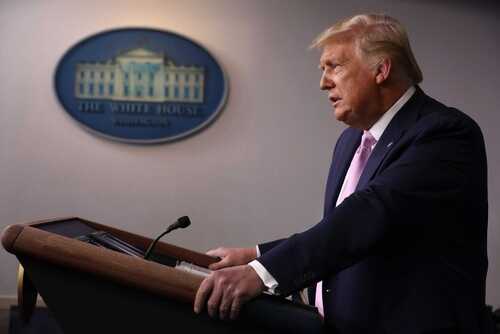
President Trump’s new executive order puts a direct stop to the flow of federal dollars that critics say have been fueling dangerous “catch and release” no-bail policies.
Story Snapshot
- Trump’s August 2025 executive order targets federal funding for states and cities with “cashless bail” policies, escalating the clash over criminal justice reform.
- New York officials push back, disputing claims that their bail system is truly “cashless” and defending reforms as necessary for equity.
- High-profile crimes by repeat offenders freed under no-bail policies have intensified public frustration and calls for change.
- Experts remain divided on whether bail reforms drive recidivism, but law enforcement warns of increased risks and wasted resources.
Federal Funds at the Center of the Bail Reform Firestorm
Federal money has become a battleground in the debate over bail reform, with critics arguing that taxpayer dollars have been hijacked to support so-called “catch and release” no-bail policies, particularly in New York and other progressive jurisdictions. President Trump’s executive order, signed on August 25, 2025, directly threatens to withhold these funds from states and localities implementing such reforms. This move is intended to pressure jurisdictions to abandon policies that, according to opponents, allow repeat offenders to walk free without consequences and erode law and order.
Trump’s bail order yanks federal cash to halt dangerous ‘reforms’ https://t.co/8Twsd80amh pic.twitter.com/YsfTP5kt0V
— NY Post Opinion (@NYPostOpinion) August 29, 2025
Bail reform in New York began in 2019 with laws eliminating cash bail for most misdemeanors and nonviolent felonies, aiming to prevent people from being jailed solely due to poverty. However, after a series of high-profile crimes committed by individuals released without bail, public outcry surged. Federal scrutiny has since intensified, with Trump and his administration asserting that these policies have undermined public safety, directly linking federal funding to local law enforcement outcomes in the ongoing clash over criminal justice priorities.
Watch: Trump signs executive order on cashless bail targeting states like Illinois
Disputes over “Cashless Bail” and State Autonomy
New York officials, including Governor Hochul, reject the label of “cashless bail,” arguing that the state’s system retains judicial discretion and that reforms are misrepresented by federal critics. Hochul insists that Trump’s executive order mischaracterizes New York’s laws, defending the reforms as necessary to address inequities in pretrial detention. The dispute underscores a broader fight over state autonomy versus federal leverage, as the White House insists that federal support should not bankroll what it describes as reckless policies threatening the safety of law-abiding citizens.
Legislative efforts continue in New York to fine-tune bail laws, with new bills proposing to restore greater judicial discretion and implement risk assessments. The outcome of these debates will determine whether the state can sustain its current reforms or faces a rollback under financial threats from Washington. Meanwhile, law enforcement leaders have voiced frustration at being forced to repeatedly arrest the same offenders, warning that “catch and release” undermines their ability to keep communities safe and puts additional strain on already stretched resources.
Impact on Public Safety, Budgets, and Conservative Values
President Trump’s order has immediate and long-term ramifications. In the short term, jurisdictions risk losing critical federal funds that support public safety initiatives. This financial uncertainty could disrupt local budgets and force difficult choices about law enforcement staffing and services. Longer term, the move may catalyze a rollback of bail reforms, potentially increasing pretrial detention and reviving the bail bond industry. For conservative readers, the executive order represents a defense of constitutional principles and a rejection of policies perceived as eroding family and community security through government overreach.
Sources:
No, New York doesn’t have ‘cashless bail’ | City & State NY
Trump’s Executive Order Sparks Clash with New York Over Bail Reform | NY Focus
Does New York’s Bail Reform Law Impact Recidivism? | Data Collaborative for Justice