Florida health officials confirmed an 80-year-old Tampa woman died from dengue fever amid a surge of local cases, putting public safety and accountability in sharp focus.
Story Highlights
- State officials confirmed the dengue-related death of 80-year-old Gay Small in Tampa.
- The death certificate lists dengue infection with septic shock and organ failure.
- Hillsborough County has seen an unusual spike in locally acquired dengue cases.
- Mosquito control expanded spraying and trapping in affected neighborhoods.
State Confirms Dengue Death Linked to Tampa Outbreak
Florida’s Department of Health confirmed the first dengue-related death of 2026, identifying the decedent as 80-year-old Gay Small of Tampa, who died at Tampa General Hospital on her birthday. Reports say the death certificate lists dengue infection as the cause, with septic shock and multi-organ failure as contributing conditions. Earlier statements described an active investigation into a possible dengue link, which has now closed with confirmation by the state, according to multiple outlets.
The confirmation follows weeks of rising local transmission in Hillsborough County. Reported counts during the investigation window ranged from 95 to more than 130 locally acquired cases, placing the county near the center of Florida’s dengue activity this season. This pattern tracks with health surveillance that sometimes starts with provisional labels and moves to final determinations after lab and case reviews, which can create timing gaps in public messaging.
Family Describes Local Exposure and Rapid Decline
Family members told reporters Small had not traveled outside Tampa for more than a month before she fell ill, suggesting she was exposed close to her Bayshore Boulevard home. Coverage says she declined quickly after diagnosis and died at Tampa General Hospital within about a week. While specific lab serotype details were not publicly released in the reports cited here, the family’s account aligns with ongoing neighborhood transmission and recent mosquito activity in the city.
Local reporting says relatives believe she “met the wrong mosquito,” a blunt reminder that one bite can be deadly for seniors and those with health risks. Doctors warn that dengue can turn severe, causing internal bleeding, shock, and organ failure. Officials typically distinguish travel-related infections from locally acquired ones, because that difference guides response plans, public warnings, and mosquito control priorities during a surge.
County Expands Mosquito Control as Cases Climb
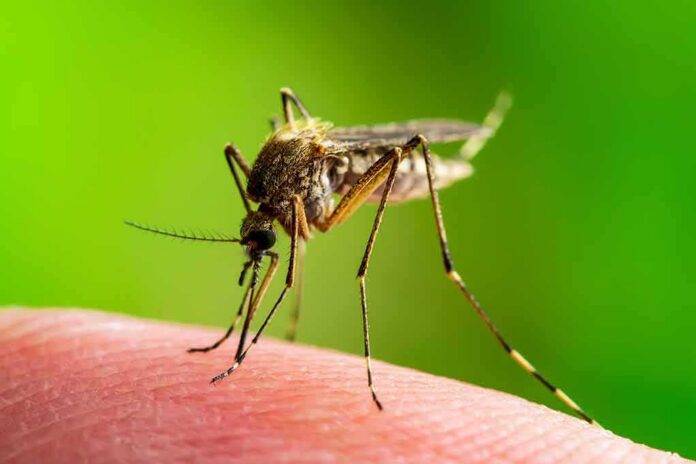
County teams increased aerial and ground operations to curb the Aedes aegypti mosquito, which spreads dengue. Reports describe helicopter spraying and targeted trapping in areas with confirmed activity. These steps aim to break transmission cycles by killing adult mosquitoes and reducing breeding sites. Residents are urged to dump standing water, fix window screens, and use repellent as authorities stress that neighborhood actions, along with county work, can reduce risk during active outbreaks.
Florida is experiencing one of its worst surges of dengue fever in decades, and the toll now includes a death in the Tampa Bay area. https://t.co/aMMGT8pijS
— South Florida Sun Sentinel (@SunSentinel) September 18, 2026
Officials and hospitals typically share limited patient details due to privacy rules, but the state’s confirmation now anchors the public account of what happened to Small. Health leaders continue to track cases and remind Floridians that early care matters. People with high fever, severe pain, vomiting, bleeding, or dehydration should see a doctor fast. Seniors and those with prior dengue infections face higher risk for severe disease, making quick testing and monitoring vital during a local surge.
What This Means for Readers
This death underscores a basic truth: public safety starts close to home. One infected mosquito can change a family forever. Floridians can act now by clearing yard water, wearing repellent, and urging neighbors to do the same. Leaders must keep communication clear and timely so families know where risks are rising. Precise, local updates help people make smart choices while the state and county continue mosquito control and track cases across Tampa Bay.
Sources:
medicaldaily.com, wusf.org, cbsnews.com, floridatrend.com