A family has filed a lawsuit against Tesla, alleging that faulty Cybertruck door handles trapped their daughter inside a burning vehicle after a crash.
Story Snapshot
- The lawsuit highlights Tesla’s Cybertruck design flaws as a safety concern.
- Families claim electronic door handles and strong windows trapped their children.
- Legal proceedings could impact Tesla’s reputation and safety standards.
- Broader implications for electric vehicle safety and emergency egress.
Lawsuits Target Cybertruck Design
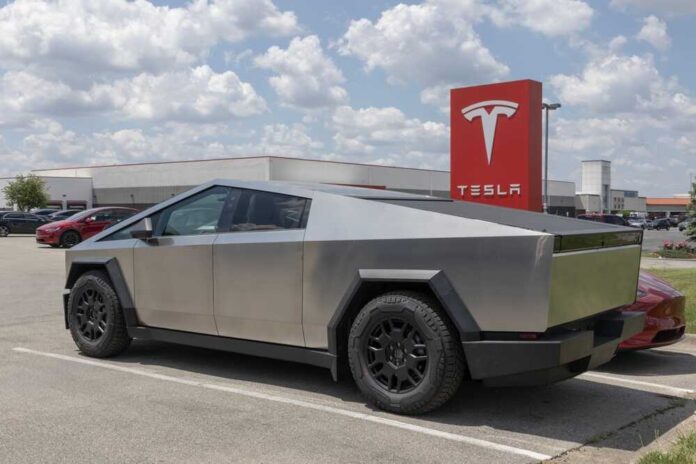
In a tragic incident on Thanksgiving Eve 2024, a Tesla Cybertruck crash in Piedmont, California, resulted in the deaths of three college students. The families of the deceased have filed lawsuits against Tesla and the driver’s estate, claiming that the vehicle’s design flaws, specifically the electronic door handles and “armor glass,” trapped their loved ones inside a burning vehicle.
The Cybertruck, known for its unconventional features, has been under scrutiny since its launch. The lawsuit alleges that these design elements prevented a timely escape after the crash, putting the spotlight on Tesla’s responsibility to ensure safety in emergency situations. The vehicle’s electronic handles reportedly failed, and the strength of the windows hindered rescue attempts.
Watch: 😱 Family Sues Tesla After Daughter Dies in Burning Cybertruck 🔥
Impact on Tesla and the Auto Industry
This case could have significant repercussions for Tesla, as it faces increased scrutiny over its Cybertruck safety features. The legal proceedings are attracting media attention, potentially affecting Tesla’s reputation and stock value. Moreover, the case might prompt regulatory reviews of electronic door handles and emergency egress mechanisms in electric vehicles.
Automotive safety experts have long cautioned that electronic door handles may fail in emergencies, and this incident underscores those concerns. The industry might see a shift towards incorporating manual overrides in vehicle designs to ensure passenger safety during emergencies.
Broader Implications and Industry Response
The lawsuits against Tesla raise broader questions about electric vehicle safety and corporate liability. If the courts find Tesla liable, it could set a precedent for future product liability cases and prompt a reassessment of vehicle safety standards across the industry. Other automakers may revisit their own electronic door and window designs to avoid similar issues.
The incident has sparked a debate on balancing innovative design with emergency accessibility, a concern echoed by product liability scholars and emergency responders. As legal proceedings continue, the automotive industry and regulators will closely monitor the developments and potential implications for vehicle safety standards.
Sources:
Lawsuit claims Cybertruck’s door handles led to teens’ death after Tesla crash
Tesla faces lawsuit over alleged Cybertruck door failure