Three Norwegian brothers of Iraqi origin stand accused of planting a powerful bomb at the U.S. Embassy in Oslo, exposing vulnerabilities in America’s global defenses amid raging Iran conflicts.
Story Snapshot
- IED exploded at U.S. Embassy consular entrance on March 8, 2026, causing minor damage but no injuries.
- Three brothers, Norwegian citizens of Iraqi origin in their 20s, arrested March 11 on terror bombing suspicions; previously unknown to police.
- Motive probe points to possible Iranian proxies or state sponsorship, tied to U.S.-Israeli strikes on Iran.
- President Trump’s administration faces tests on overseas security as embassies worldwide go on high alert.
Explosion Details and Rapid Arrests
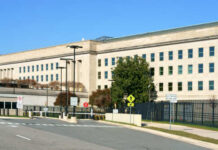
On March 8, 2026, at approximately 1:00 a.m. local time, an improvised explosive device detonated at the entrance to the U.S. Embassy’s consular section in Oslo, Norway. The blast shattered the door and produced thick smoke, yet caused only minor damage with no casualties reported. Police responded swiftly, investigating links to Middle East conflicts from the outset. Three days later, on March 11 at around 3:30 p.m., authorities arrested three brothers in their 20s, Norwegian citizens of Iraqi origin. One allegedly planted the device, while the others acted as accomplices. These suspects had no prior police record, marking them as previously unknown threats.
Police Suspicions and Motive Investigation
Oslo Police Attorney Christian Hatlo detailed the case during a March 11 press briefing. He described the bomb as powerful, designed to kill or inflict major damage on the high-profile target. Investigators pursue multiple hypotheses, including terrorism, orders from a government entity, or ties to criminal networks. Frode Larsen of Oslo Police suggested a deliberate connection to Middle East tensions. No claims of responsibility have emerged, and suspects remain in custody as roles and motives undergo scrutiny. This incident underscores persistent risks from foreign-inspired actors operating in allied nations.
Iran Proxy Threat in Escalating Tensions
The attack unfolds against heightened U.S.-Iran hostilities, following U.S.-Israeli strikes on Iran and Tehran’s global retaliations against American targets. Norwegian security service PST recently warned of Iran’s reliance on proxy actors and criminal groups like the Foxtrot gang for European operations. Analysts note hallmarks of an Iranian-ordered plot in the Oslo blast’s execution. President Trump’s strong stance on Iran now demands robust protection for U.S. diplomats abroad. Global embassy alerts reflect the administration’s vigilance against such proxy warfare, protecting American interests from overreach by adversarial regimes.
CEPA experts predict this could herald a wave of similar attacks across Europe, amplifying transatlantic security concerns. Norwegian authorities have bolstered protections around the embassy, Iranian diaspora, and Jewish communities, with no immediate ongoing threats identified.
Three Norwegian Citizens 'With Links to Iraq' Bomb US Embassy in Oslo https://t.co/SsKoMz90BH
— Twitchy Updates (@Twitchy_Updates) March 13, 2026
Stakeholder Reactions and Broader Implications
Rep. Rick Crawford, House Intelligence Committee Chair, labeled the event a potential terrorist attack and urged diligence on U.S. assets worldwide amid the Iran war. The U.S. Embassy and State Department remain tight-lipped while on high alert globally. Under President Trump, these developments test commitments to secure American personnel against imported threats from lax European immigration policies. The brothers’ Iraqi origins highlight risks of unchecked migration, echoing conservative calls for stricter border controls to prevent radicalization on Western soil. Long-term, this may strain U.S.-Norway ties if foreign backing confirms.
Sources:
3 brothers of Iraqi descent arrested in Oslo for ‘terror bombing’ of US Embassy (Fox News)
3 brothers of Iraqi origin arrested in connection with U.S. embassy explosion (CBS News)
And So It Begins: Iran’s Terror Proxies Emerge from the Shadows (CEPA)