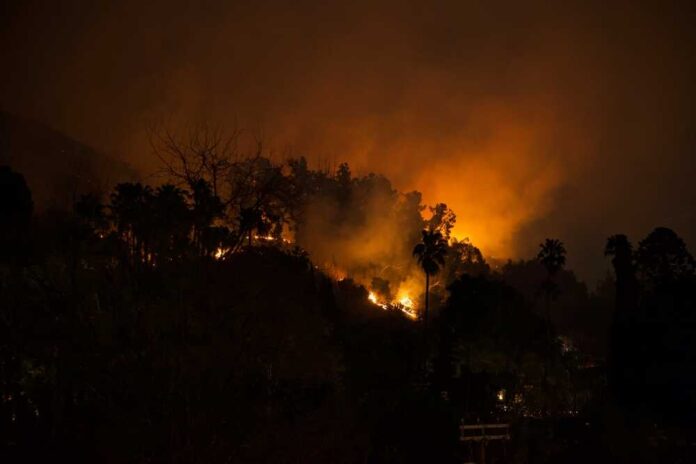
Albanian authorities have arrested 18 individuals for arson as relentless wildfires continue to devastate the nation.
At a Glance
- 18 people arrested in Albania for deliberately starting wildfires.
- Over 12,000 hectares of forests and olive groves have been destroyed.
- Arson is a severe crime with penalties up to 15 years in prison.
- International firefighting assistance has been requested and deployed.
Arson Arrests Amidst Devastating Wildfires
Albanian police have arrested 18 individuals accused of setting wildfires that have wreaked havoc across the country. These fires have consumed over 12,000 hectares of forests and olive groves since mid-June 2025. The arrest of these individuals on charges of arson highlights the gravity of the situation and the intense efforts by authorities to prevent further devastation. Arson, classified as a severe crime in Albania, can lead to prison sentences of up to 15 years, especially when it results in significant harm.
Albania detains 18 on charges of starting fireshttps://t.co/0oNKSKgV66
— Insider Paper (@TheInsiderPaper) July 29, 2025
The fires, fueled by extreme heat and drought conditions, have posed a significant threat to communities, destroyed properties, and prompted a national emergency response. The Albanian Interior Ministry has emphasized that these criminal acts are not only a threat to nature but also to human life. The ongoing investigation aims to uncover the motivations behind these deliberate acts of destruction.
Wildfire in Albania Injures Three People, Forces Evacuation of 2,000
Communities and Environment Under Siege
The wildfires have had a profound impact on both the natural environment and the communities in Albania. Since mid-June, the blazes have spread rapidly, particularly affecting forested and agricultural regions. The largest of these fires scorched over 23,000 acres, forcing evacuations and causing injuries. In one instance, a severe wildfire near Delvinia led to the evacuation of more than 2,000 people.
The destruction has not been confined to remote areas. Fires have threatened tourist regions and natural reserves, raising concerns about the future of Albania’s biodiversity and tourism industry. The loss of forest cover and agricultural land, particularly olive groves, represents a significant economic blow to local communities reliant on these resources for their livelihoods.
International Assistance and Response
As the situation escalated, Albania sought international assistance to combat the fires. The European Union Civil Protection Mechanism responded by providing aerial firefighting support from Greece, Hungary, Croatia, and Italy. Over 1,000 firefighters and emergency personnel have been deployed to contain the blazes, with efforts hampered by challenging terrain and strong winds.
The international response underscores the severity of the crisis and the need for a collaborative approach to disaster management. The ongoing efforts to extinguish the fires are expected to benefit from a forecasted drop in temperatures, providing some respite to the beleaguered firefighting teams.
Long-term Consequences and Future Actions
The short-term implications of these wildfires are dire, with immediate threats to life, property, and health. The disruption to tourism and local economies is palpable, and the strain on emergency services is immense. However, the long-term consequences may prove even more devastating. The loss of forest cover could lead to soil erosion and an increased risk of future natural disasters.
In the wake of these events, there is an urgent need for stricter fire prevention measures and more severe penalties for arson. The crisis has exposed vulnerabilities in Albania’s disaster preparedness and highlighted the importance of international cooperation in managing such environmental threats. As investigations continue, the focus remains on preventing further destruction and rebuilding the affected communities.