
Ten days after killer floods, Nepali soldiers pulled a trapped worker alive from a buried hydropower tunnel, proving hope can beat the odds.
Story Highlights
- Rescuers saved a Chinese national from a debris-choked tunnel in Nepal’s Rasuwa district after 10 days.
- Nepal’s prime minister’s office said two people were pulled alive Saturday, lifting hopes across the disaster zone.
- Thousands remain dead or missing as joint teams race to reach cut-off valleys and work sites.
- Experts say a glacier collapse likely triggered the flash flood that swept through border communities.
Rescue In A Buried Tunnel Rekindles Hope
Nepal Army teams reached 225 meters inside the Upper Trishuli‑1 Hydropower Project tunnel and pulled a Chinese national out alive, days after the flood buried the site in mud and rock. Officials said medical teams began checks at once, while search crews pushed deeper into the tunnel system to look for more survivors. The dramatic save came 10 days after the disaster, and it energized rescue lines across the region that had been grinding through dangerous debris fields.
Nepal’s prime minister’s office reported that rescuers also found a woman alive in the debris on Saturday, bringing the total number of workers pulled out alive from the Trishuli project to three. The announcement, shared publicly by the government, underscored how organized military-led efforts and help from foreign specialists continue to make a difference at hard-hit work sites where heavy equipment and trained teams are essential.
Disaster Scale And The Push To Reach Survivors
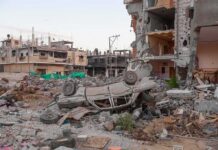
Nepal’s disaster authority and international outlets reported hundreds dead and thousands missing as choppers and road teams tried to open blocked routes into remote valleys. Reuters reported the national toll climbing into the hundreds with more than two thousand still unaccounted for as crews battled wrecked bridges and fresh landslide risks. Those figures shifted as access improved, but the scale stayed stark: whole settlements, road links, and power projects took direct hits across the border belt.
Rescue leaders warned that risk remained high with unstable slopes and backed‑up lakes upstream. Officials tracked barrier lakes that formed after the slide, noting danger would persist until the waters drained. That meant ground teams had to move fast but also pause when sensors or spotters flagged new flow threats. The balance of speed and safety shaped each push into rubble piles, tunnels, and river corridors where trapped workers and residents might still be found.
What Triggered The Deadly Flood
Scientists and field experts pointed to a glacier collapse high in the Himalayas as the likely trigger. Satellite imagery and early analysis suggested a lower glacier section broke off, slammed into the valley floor, and set off a fast debris flow that became a lethal surge downstream. That chain reaction lined up with what rescuers saw on the ground: walls of mud, rock, and water that swept away roads, bridges, and heavy infrastructure in minutes.
University and agency experts explained that these glacial hazards can outpace river gauges and local alerts, especially in steep terrain with limited sensors. When a natural dam forms and bursts, flood waves can build fast, leaving little time to move to higher ground. This is why tunnel sites, work camps, and villages near river bends took such severe damage, and why the search effort has focused on enclosed spaces where air pockets and strong structures can preserve life for days.
The Conservative Takeaway: Capability, Clarity, And Resolve
Military discipline and clear command helped turn a high‑risk tunnel dig into a life saved. Nepal’s use of its army, plus targeted foreign technical help, matched people, skills, and gear to the exact need. That approach echoes core lessons conservatives value at home: train first responders well, cut red tape in crisis, and deploy resources with a tight chain of command. Results matter most when lives are on the line, and Saturday’s rescue showed how order and skill deliver.
A Chinese national has been rescued alive from a hydropower tunnel in Nepal 10 days after a devastating flash flood swept through a Himalayan valley.
Nepali authorities said Lu Haitao was pulled from a 225-metre tunnel at the Upper Trishuli-1 Hydropower Project on September 5.… pic.twitter.com/07EGyS1zn2
— APT News (@APT__News) September 5, 2026
American readers also see a warning here. Critical power and transport sites need rugged design, real drills, and rapid access for rescue gear. Nature will test systems without mercy. Nations that prepare, invest in practical readiness, and keep decision-making close to the ground save more people. Saturday’s news was a victory for grit and coordination amid grief. The work is not done, but the lesson is clear: strong institutions and clear roles turn chaos into saves.
Sources:
reuters.com, aljazeera.com, english.nepalnews.com