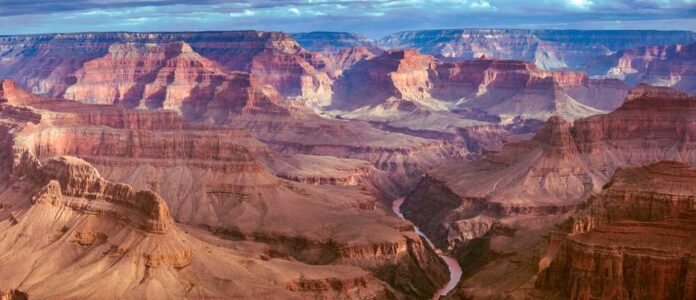
Arizona’s iconic Grand Canyon Lodge lies in ashes after a wildfire, and the finger-pointing over who is to blame is just getting started.
At a Glance
- Grand Canyon Lodge, a National Historic Landmark, was destroyed by wildfire after federal officials opted for a “confine and contain” fire management strategy.
- Arizona Governor Katie Hobbs is demanding a federal investigation, blasting the National Park Service’s response.
- More than 80 structures—including cabins, visitor centers, and staff housing—were lost, and the North Rim is closed for the entire 2025 season.
- Economic fallout and heated debate over federal fire policy have local businesses and families fuming.
Inferno at the North Rim: History Lost, Questions Rage
On July 12, 2025, the irreplaceable Grand Canyon Lodge became the latest victim of a federal “let it burn” approach that, once again, left everyday Americans and their heritage to the mercy of disaster. The Dragon Bravo Fire, sparked by lightning over a week earlier, roared out of control thanks to record heat, parched winds, and a Park Service strategy that prioritized abstract ecological goals over the concrete reality of protecting a historic site and the livelihoods that depend on it. By the time the smoke cleared, not just the lodge but up to 80 buildings—including cabins, park offices, and even a vital water treatment plant—had been reduced to rubble.
BREAKING: Historic Grand Canyon Lodge DESTROYED by Dragon Bravo Wildfire
North Rim closed for 2025 season after flames ravage 50+ structures
No injuries, but chlorine gas risk lingers. Hobbs calls for investigation
What’s one memory at the Grand Canyon you’ll never forget? 😢 pic.twitter.com/MRMkr8fICP
— Andrew Hart (@realahart) July 14, 2025
A chlorine gas leak from the destroyed facility forced even the firefighters to flee, highlighting the utter lack of preparedness and foresight. All this, while the bureaucrats in Washington stick to their playbook and defend their failed tactics. Is it any wonder folks are furious?
The scale of the devastation is almost incomprehensible: the North Rim—the quiet, less-traveled heart of one of America’s greatest treasures—will stay shuttered for the rest of the year. No tourists, no families making memories, no local businesses bustling with summer visitors. The economic and cultural blow to northern Arizona is staggering, and once again, the federal government’s top-down management has left regular people to pick up the pieces.
Katie Hobbs calls for investigation into federal decision to let Grand Canyon fire burn
Governor Demands Answers as Federal Response Faces Scrutiny
Arizona Governor Katie Hobbs isn’t mincing words. Within hours of the blaze gutting the Grand Canyon Lodge, she called for an “independent, top-to-bottom federal investigation” into the National Park Service’s response. In a searing statement, Hobbs slammed the “confine and contain” strategy, which meant firefighters focused on clearing brush and monitoring the blaze rather than attacking it head-on. She echoed what many local residents and business owners are saying: why in the world would you gamble with a historic landmark—and the backbone of the North Rim’s economy? The North Rim only sees about 10% of the park’s total visitors, but for those who live and work there, it’s the lifeblood of the region. The loss of the lodge is more than just a blow to history; it’s a gut punch to families who depend on summer tourism to keep their doors open and food on the table.
The National Park Service, for its part, is sticking to its guns. Officials argue that their choices were dictated by tough weather conditions and the need to protect personnel after the water plant’s chlorine gas leak. They defend their “confine and contain” approach as sound, even as critics point out that this is hardly the first time federal fire management has led to catastrophic losses in places of historic or economic significance. It’s the same tired excuses—“unprecedented weather,” “limited resources”—while the people who actually live with the consequences are told to wait for the next round of policy reviews and investigations.
Economic Fallout and the War Over Wildfire Policy
The closure of the North Rim for the entire tourist season is a disaster for local families and small businesses, many of whom have barely recovered from the economic chaos of recent years. Hotels, restaurants, outfitters, and tour guides now face a long, uncertain road ahead. The destruction of the Grand Canyon Lodge—built in 1937 and listed as a National Historic Landmark—isn’t just a loss for history buffs; it’s a blow to everyone who values the unique character and traditions of the American West. And let’s not forget: the Park Service’s “confine and contain” approach is under the microscope for good reason. This isn’t just about one building, or even one fire. It’s about a growing pattern of federal agencies putting ideology and bureaucratic theory ahead of common sense, local input, and the protection of our shared heritage.
Fire management experts and environmental scholars are already weighing in, some defending the agency’s tactics, others urging more aggressive suppression efforts when lives and historic assets are at stake. But for the people of Arizona, the need for decisive, accountable leadership couldn’t be clearer. If the federal government won’t protect our history, our jobs, or our homes, who will?