
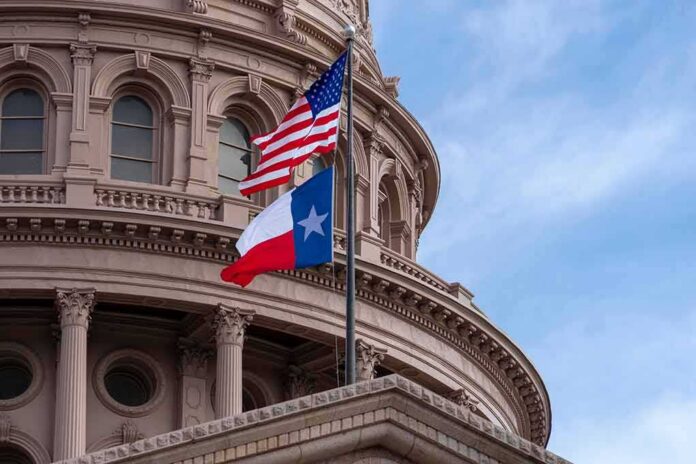
Texas’ incoming attorney general says he will not defend the state’s Ten Commandments classroom law, defying a recent federal appeals court win for the statute and raising a fight over who will stand up for Texas parents and schools.
Story Highlights
- Attorney general-elect Nathan Johnson says the Ten Commandments classroom law is unconstitutional and vows not to defend it.
- The United States Court of Appeals for the Fifth Circuit ruled the law does not violate the Constitution.
- Parents challenging the law have asked the Supreme Court to take the case; a decision on review is pending.
- Outgoing state lawyers warn that a non-defense could weaken Texas’ position before the Supreme Court.
Johnson’s Stance Sets Up a Constitutional and Institutional Clash
Attorney general-elect Nathan Johnson told The Dallas Morning News he believes the law requiring Ten Commandments displays in Texas public school classrooms is unconstitutional and that he will not defend it when he takes office. Johnson did not lay out a detailed legal test but gave a firm conclusion about the law’s status. His pledge affects an active dispute, not a theory. Families sued, and the courts have already issued major rulings. The question now is who will argue for Texas if he steps back.
Outgoing state lawyers led by current officials warned that a non-defense could harm the case if the Supreme Court agrees to review it. They argued that the Court expects a real contest between the sides and that Johnson’s approach risks a one-sided record. That concern goes beyond politics. It touches the state’s duty to defend its laws and the public’s trust in fair process. Texans want clear, steady leadership when rights, schools, and faith collide.
Fifth Circuit Reversal Strengthened the Law’s Legal Footing
The United States Court of Appeals for the Fifth Circuit, sitting en banc, reversed a district court that had sided with parents and blocked parts of the law. The Fifth Circuit concluded the statute does not violate the Establishment Clause or the Free Exercise Clause and said the law does not authorize religious instruction. That ruling is now the strongest judicial guide for Texas. Any statewide official opposing the law must account for that precedent until a higher court says otherwise.
Supporters say the Ten Commandments reflect America’s legal and moral heritage, not forced worship. They point to past cases that allowed certain historical displays and argue the law simply lets students see a source that shaped civic values. They also stress that teachers are not told to preach or test beliefs. The Fifth Circuit echoed that view, noting the text’s display does not license staff to challenge a child’s or parent’s faith commitments.
Parents’ Challenge Continues as Supreme Court Petition Waits
The parent challengers argue the classroom mandate sends an official religious message to children in a setting where students cannot easily opt out. They won first in district court, which granted relief, before losing on appeal. They have now asked the Supreme Court to take the case, and timing reports suggest the Court may decide on review next year. Until then, school districts face legal and political crosswinds over how to follow the law amid ongoing litigation.
The broader legal backdrop includes a major shift in how courts review religious displays. Older tests once focused on government purpose. More recent rulings place weight on history and tradition. The Fifth Circuit leaned on that newer approach when upholding Texas’ law. If the Supreme Court takes the case, it could refine how that standard applies inside public school classrooms, where student audiences raise special concerns and where the Court has been careful in past decisions.
What Johnson’s Non-Defense Means for Texans Right Now
Johnson’s vow not to defend the law sets a practical test: who will defend Texas policy if the top state lawyer declines? The answer could be outside counsel, legislative leaders, or school districts pulled into the fight. That uncertainty creates risk for educators seeking clear rules. It also frustrates families who want stable guidance rooted in the Constitution and Texas values. The state’s own attorneys have warned the Supreme Court could view a non-defense as weakening the case record.
Texas AG-elect won't defend Ten Commandments classroom law. When a politician is this pragmatic, it's a reminder of the importance of common sense. We need to be careful about how we handle these situations.
— Hari Sarswat (@CheekAna_25494) November 28, 2026
For conservatives, the stakes are clear. Many see the display as a simple nod to the ideas that shaped our laws and culture. They also see a duty for elected officials to defend the laws on the books, especially when a powerful federal court has said those laws pass constitutional muster. As this continues, Texans should watch two things: whether the Supreme Court grants review, and whether the state mounts a full defense that gives the justices a fair fight to judge.
Sources:
facebook.com, scag.gov, thehill.com, houstonpublicmedia.org, dailyitem.com