
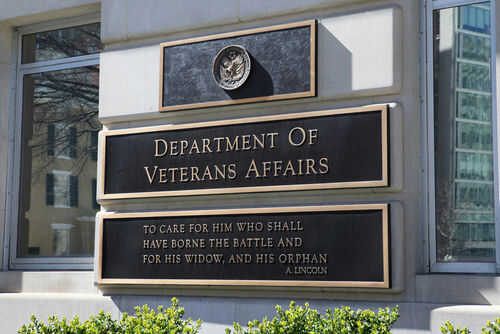
A quiet change deep inside the Department of Veterans Affairs could strip future disability checks from nearly a million veterans for problems the VA once admitted were service‑connected.
Story Snapshot
- The VA is moving to end standalone tinnitus ratings and slash **sleep apnea compensation** for treated vets.
- Veteran groups warn up to 1.5 million could lose or see reduced benefits over the next decade.
- Congress’s “Take Care of America’s Veterans Act” would lock these cuts into law and save $57 billion on veterans’ backs.
- Officials call it “modernization,” but court rulings and medical experts say tinnitus and sleep apnea remain serious disabilities.
VA Rule Changes Target Tinnitus and Sleep Apnea
In 2022, the Veterans Affairs department proposed a major rewrite of its Schedule for Rating Disabilities that hits two common service‑connected problems: tinnitus and sleep apnea. Under the plan, tinnitus would no longer earn its own 10 percent rating; instead it becomes just a symptom of another disability, usually hearing loss. For sleep apnea, veterans whose symptoms are controlled by a continuous positive airway pressure machine could be pushed down to a zero percent rating, even if that treatment is required every night.
The American Tinnitus Association warns this change means veterans with ringing in the ears but no compensable hearing loss would get nothing, even when tinnitus clearly came from military noise exposure. Veterans law firms and benefit educators are telling veterans to file tinnitus claims now before the automatic 10 percent rating disappears under Diagnostic Code 6260. For sleep apnea, veteran advocates say the new “symptom‑based” rule ignores how a serious breathing disorder can still limit work and life, even when a machine helps a veteran sleep.
Massive Benefit Cuts Framed as “Modernization”
Disabled American Veterans reports that the combined VA rule and the related congressional bill could cut disability checks for up to 1.5 million veterans and reduce future payments by about $57 billion over ten years. Internal VA analysis cited by advocates estimates nearly one million veterans would see lower compensation if these changes take full effect. That is real money: one doctor calculates a drop from 50 percent to 0 percent for sleep apnea could cost a veteran around $1,000 a month, or $120,000 over a decade.
VA leaders claim they are simply updating ratings to match modern medicine and today’s job market. Government watchdogs have criticized the rating schedule for being stuck in a World War II‑era view of work and disability, which gives the agency cover to say it is “fixing” an old system. But modernization should mean better care and fairer pay for those injured in service, not using new medical gadgets as an excuse to declare longtime disabilities “no big deal” and quietly shrink checks for the next generation of veterans.
Congress Moves to Codify Cuts Despite Veteran Outcry
On top of the VA rule, Republican leaders in Congress introduced the “Take Care of America’s Veterans Act,” a large package that folds dozens of veteran bills together, including the popular Major Richard Star Act. Tucked inside is language that would lock in the tinnitus and sleep apnea cuts starting with new claims on January 1, 2027, while grandfathering most existing ratings. Veteran service organizations warn this strategy turns veterans into budget offsets: their lost disability pay funds other programs lawmakers want to pass.
Disabled American Veterans, the American Legion, and the American Tinnitus Association have all come out firmly against these changes, calling them budget‑driven, not evidence‑driven. A bipartisan group led by Senator Angus King sent a letter to VA leadership objecting to balancing the books on the backs of men and women who already sacrificed for the country. They note that several court rulings have recognized tinnitus as a standalone disability and have blocked past attempts to cut ratings based on the effects of medication alone, which this new model risks repeating.
What This Means for Conservative Veterans and Families
For conservative readers, the stakes are clear: the same federal bureaucracy that can barely secure the border or manage its own spending is now “modernizing” disability in ways that erase real injuries and chip away at promises made to our warriors. When government accountants see a $57 billion “savings” tied to rating changes, they treat a veteran’s lost income as a line item, not a broken word to someone who served. That mindset clashes head‑on with the values of duty, honor, and keeping your word that many of us learned from veterans themselves.
Veterans who already have tinnitus or sleep apnea ratings will mostly be grandfathered, but younger troops, Guard members, and recent retirees will face a harsher system if these changes go through. Advocates urge veterans to stay engaged, file legitimate claims under the current rules where needed, and press Congress to fix problems without gutting earned benefits. The pattern to watch is simple: whenever Washington talks about “modernizing” or “reforming” disability, someone ends up paying the price—and lately, it is too often the men and women who wore the uniform.
Sources:
realcleardefense.com, commondefense.us, king.senate.gov, facebook.com, veteranslegalcenter.org, va.gov, reddit.com