When agitators tried to block vehicles at Newark’s Delaney Hall immigration detention center, the confrontation showed how street theatrics can quickly cross from protest into unlawful obstruction that endangers everyone on scene.
Story Snapshot
- Video and reports show protesters physically impeding vehicles and clashing with immigration personnel and police [13].
- Local coverage documents arrests and a shifting security posture as state and local authorities adjusted their response [7].
- Advocates allege poor detention conditions and a hunger strike, while authorities dispute parts of those claims [1].
- Newark’s mayor altered curfew and security rules as tensions rose outside the privately operated facility [5].
What Sparked The Newark Standoff Outside Delaney Hall
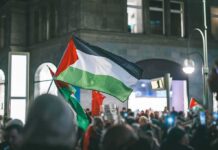
Local television and wire service footage captured days of confrontations outside Delaney Hall in Newark, New Jersey, where anti–immigration enforcement activists gathered at gates, pressed up against vehicles, and argued with officers as detainee-transfer traffic tried to move in and out [13]. Coverage from Philadelphia and New York affiliates reported at least several arrests after scuffles escalated, with officers clearing lanes and separating crowds when vehicles attempted to exit the facility [7]. The scene shifted repeatedly as crowds returned after nightfall and on subsequent days [12].
Advocacy groups and sympathetic lawmakers framed the outside unrest as a response to alleged poor conditions and a reported hunger strike inside the detention site, claims that drew cameras and intensified scrutiny of facility oversight [18]. New York regional reporting described detainees and supporters alleging inadequate food and medical attention, which organizers said justified disruptive demonstrations at the perimeter [1]. Officials and facility representatives pushed back on the broadest allegations while pledging to maintain safe operations and transport amid the chaos outside [1].
From Protest To Obstruction: Where The Line Was Crossed
Associated Press video shows demonstrators pushing into driveways, stacking objects along approaches, and attempting to slow or stop vehicles, which forced officers to physically move people off active lanes to prevent collisions [13]. Philadelphia and New York outlets reported six arrests tied to clashes at the curb and gate, underscoring that blocking ingress and egress is not protected speech when it endangers staff, detainees, media, and the public [7]. Law enforcement presence fluctuated through the week as crowds tested barricades and new rules took effect [12].
City and state leaders adjusted tactics while balancing speech and safety concerns. Newark’s mayor imposed and later adjusted restrictions around the area as the demonstrations continued, while New Jersey State Police leadership said Immigration and Customs Enforcement personnel stepped back at points with state authorities assuming a larger role in the footprint [5]. That shift reflected a pragmatic effort to stabilize the perimeter, keep ambulances and staff vehicles moving, and defuse running confrontations that spiked after dark [5].
Media, Accountability, And Confusion On A Chaotic Curb
Amid the din, national outlets documented complications for journalists as they tried to chronicle the skirmishes and verify claims. American Broadcasting Company News reported a separate incident in which an officer, not directly tied to Delaney Hall operations, was charged in connection with a stolen camera bag belonging to a journalist covering the protests, highlighting how crowded, heated scenes can breed secondary misconduct and muddle accountability [3]. That case, while distinct from the vehicle blockades, illustrates why clear lanes and disciplined policing matter when tensions run high [3].
🚨 BREAKING: Chaos at Newark ICE Facility A photographer was struck by a vehicle as staff tried to leave Delaney Hall Detention Center amid protests blocking exits.
At least two arrests reported as tensions boiled over with verbal threats and confrontations. What’s really… pic.twitter.com/jhq6Trcu0s
— 🇵🇸 Arabian (@Arabian__KGB) June 6, 2026
Video from several days shows that when vehicles attempted to leave, officers repeatedly cleared people from traffic paths to avoid injuries and restore order [13]. That operational reality should be uncontroversial: free speech protects signs, chants, and peaceful assembly on public ways; it does not license activists to surround moving cars or turn driveways into barricades. Newark affiliates reported arrests and a rotating security posture precisely because those tactics risked turning protest into preventable harm at the gate [7].
What Conservatives Should Watch Next
Conservatives should track two threads that will shape outcomes. First, verification of inside-conditions claims requires transparent inspections and credible reporting, not curbside chaos. American Broadcasting Company and others documented the hunger-strike narrative and official denials, but hard facts will come from records, medical reviews, and lawful oversight channels, not blocked roads [1]. Second, Newark’s evolving rules and police posture will test whether local leaders prioritize order, clear access for emergency services, and equal application of the law to demonstrators and officers alike [5].
Sources:
[1] Web – Lefty Thug Trying to Block Vehicles at ICE Detention Center Gets …
[3] Web – Secret Signal chats reveal how anti-ICE agitators coordinated Newark …
[5] Web – Licensable picture: Protest outside Delaney Hall detention center, in …
[7] YouTube – ICE Protest Erupts in Newark | Activists Clash Outside …
[12] YouTube – Protesters and police at Delaney Hall immigration detention center …
[13] YouTube – Delaney Hall Protest Coverage | Curfew Lifted in Newark, NJ 6/4/2026
[18] Web – Protesters clash with ICE agents outside NJ detention center – 6ABC