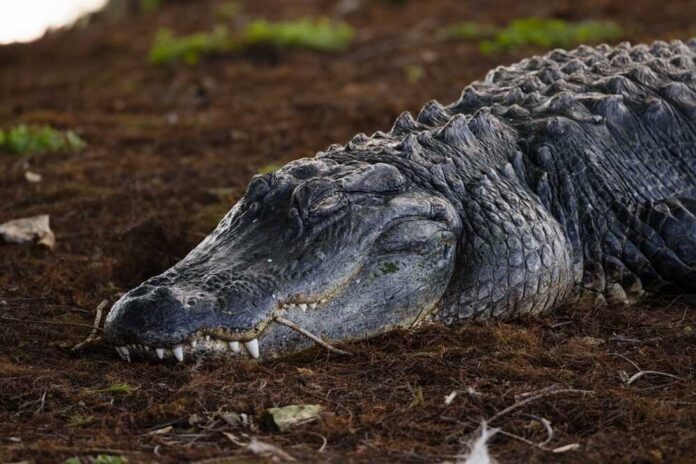
A 20-year-old livestreamer now faces felony charges after firing 25 rounds at a dead alligator in the Florida Everglades while broadcasting to thousands of viewers, raising serious questions about influencer accountability and the lawlessness flourishing on lightly moderated streaming platforms.
Story Snapshot
- Braden Eric Peters, known as “Clavicular,” livestreamed himself shooting a deceased alligator in the Everglades during a 30-day marathon stream on Kick platform
- Florida Fish and Wildlife Conservation Commission launched investigation; Peters faces potential 5-year felony sentence under state wildlife protection laws
- The incident went viral after TMZ published footage, intensifying public pressure on authorities to prosecute despite the alligator already being dead
- Peters was separately arrested on unrelated misdemeanor assault charges stemming from an Airbnb fight, compounding his legal troubles
Livestreamed Shooting Triggers Wildlife Investigation
Braden Eric Peters broadcast himself discharging approximately 25 rounds from a handgun at a deceased alligator floating in the Florida Everglades on March 26, 2026. The 20-year-old influencer, operating under the alias “Clavicular,” was conducting a 30-day continuous livestream on Kick, an alternative streaming platform that positions itself as offering fewer content restrictions than competitors like Twitch. Peters and his companions were touring the Everglades on an airboat when they encountered the dead animal. The entire incident was captured on video and preserved as permanent digital evidence accessible to authorities and the public.
The Florida Fish and Wildlife Conservation Commission immediately launched an investigation after TMZ and other media outlets rapidly disseminated footage of the shooting. FWC issued a public statement confirming awareness of “a video depicting individuals in the Everglades on an airboat who appear to be discharging firearms at an alligator.” Florida’s Attorney General warned that the actions were “careless” and would face “major consequences,” emphasizing that “being a content creator or influencer will not change how the law is applied.” This direct messaging underscores growing frustration with influencers who treat legal boundaries as content opportunities rather than serious restrictions.
Legal Jeopardy Extends Beyond Wildlife Violations
Florida law explicitly prohibits killing, injuring, possessing, or capturing alligators without proper authorization, with unauthorized discharge of firearms at wildlife constituting a felony carrying a maximum sentence of five years imprisonment plus substantial fines. Legal experts note the alligator’s deceased status provides no legal justification, as unauthorized firearm discharge in protected areas violates separate statutes. Additionally, desecration of wildlife remains may constitute animal cruelty under Florida law, while the act demonstrates reckless endangerment in a populated tourism area. Peters’ claim that the tour guide authorized the shooting remains unverified and contradicts FWC regulations, which restrict commercial alligator interaction to licensed professionals operating under specific protocols.
Peters faces compounding legal problems beyond the wildlife investigation. In early April 2026, he was arrested on an unrelated misdemeanor assault charge stemming from a fight at an Airbnb rental. This separate criminal matter occurred after the alligator shooting but demonstrates a pattern of behavior that prosecutors may consider when determining sentencing recommendations. As of May 7, 2026, no formal charges have been filed regarding the alligator incident despite initial reports suggesting imminent felony prosecution. The FWC investigation remains ongoing with no announced timeline for charging decisions, leaving Peters in legal limbo while facing potential incarceration on multiple fronts.
Platform Accountability and Manosphere Culture Under Scrutiny
Peters operates within the “looksmaxxing” community, a subset of the broader “manosphere” focused on maximizing physical appearance through fitness, grooming, and self-presentation optimization. These communities have migrated to platforms like Kick, which explicitly markets greater creator freedom and fewer content restrictions. This positioning has attracted creators operating in controversial spaces, but the incident demonstrates that lightly moderated platforms create liability exposure when users broadcast illegal activity. Kick has issued no public statement regarding potential platform action against Peters, raising questions about content moderation standards when influencers commit crimes during livestreams.
'Manosphere' influencer Clavicular charged after allegedly shooting presumed dead alligator on livestream https://t.co/madVPKuSM4 pic.twitter.com/daal2aDVel
— New York Post (@nypost) May 7, 2026
The case establishes critical precedent for treating livestreamed wildlife violations as serious felonies rather than isolated incidents. Wildlife law experts emphasize that prosecutors face a strategic decision between felony prosecution demonstrating serious enforcement commitment versus misdemeanor prosecution ensuring conviction but potentially appearing insufficient given the public attention generated by viral spread. The incident’s real-time documentation created permanent evidence while TMZ’s rapid coverage transformed a localized violation into national news, generating political pressure on authorities to prosecute aggressively. This dynamic illustrates how influencer culture normalizes boundary-testing behavior for engagement, creating a destructive cycle where legal consequences become secondary to viewer metrics and online clout.
Sources:
FWC investigating after video shows influencer repeatedly shooting alligator – Fox 13 News
Clavicular Shoots Alligator With Gun – TMZ
Clavicular’s Stream Ended Due to Illness – TMZ