President Trump’s “unconditional surrender” demand is testing whether Iran’s battered regime can keep threatening Americans and allies after the U.S.-Israel campaign claims to have shattered Tehran’s military backbone.
Story Snapshot
- President Trump says U.S. and Israeli forces have devastated Iran’s air and naval power as Operation Epic Fury continues.
- The White House frames the operation as “peace through strength” aimed at ending Iran’s nuclear and missile threats and degrading proxy networks.
- Key claims include escalating reports of Iranian naval losses, alongside warnings that Iran was nearing a “line of immunity” with missiles and drones.
- Pentagon-linked reporting cited by Israeli live coverage suggests Iran may not have been preparing an imminent first strike, creating a key point of dispute.
Trump’s “Cry Uncle” Message and the Claimed Scale of Damage
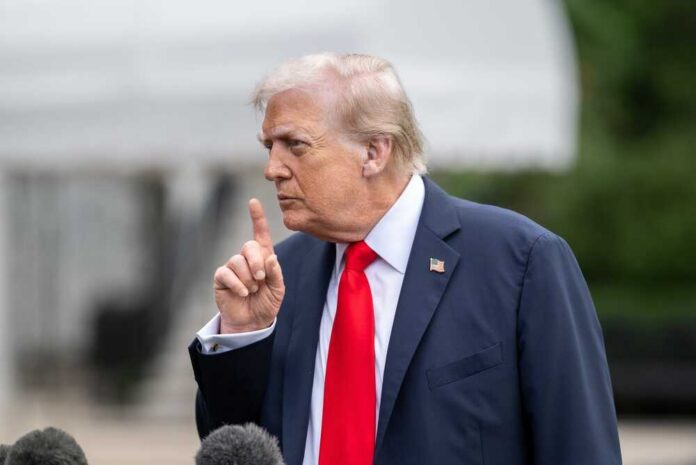
President Trump used public statements and Truth Social messaging to argue that Iran’s military capabilities have been “totally” smashed, pairing that claim with a demand for Iran’s “unconditional surrender.” Reporting on the conflict describes a joint U.S.-Israel push—Operation Epic Fury alongside Israel’s Operation Roaring Lion—targeting Iran’s nuclear infrastructure, missile stockpiles, naval forces, and proxy networks. The administration’s stated end state is straightforward: no continuing threat to Americans, Israel, or U.S. interests.
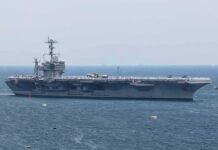
The most dramatic claims focus on Iran’s navy and air force. Trump has described Iran’s air power as effectively wiped out and has repeatedly highlighted naval losses, with some reporting citing totals that climbed over time as strikes continued. Independent public reporting cited in the research shows earlier assessments of multiple vessels sunk, followed by later claims of more than 20 destroyed and, eventually, assertions that all ships were sunk. That progression matters because it underscores how fast the narrative has moved.
What Operation Epic Fury Is Supposed to Achieve
The White House has presented Operation Epic Fury as a “peace through strength” campaign designed to crush the Iranian regime’s ability to terrorize the region, threaten the U.S., or sprint to a nuclear weapon under the cover of missiles and drones. The research also ties the timeline to Israeli intelligence shared with Trump in late February that reportedly shaped the strike window. The administration’s public line has emphasized overwhelming air dominance and ongoing pressure rather than a long occupation.
Officials have also tried to narrow public fears about another forever war. Reporting from Israeli live updates cites White House messaging that there are no U.S. ground troops planned “at this time,” and it also describes U.S. planning around securing the Strait of Hormuz—critical for global energy flows. On the home front, the research notes a surge in U.S. weapons output to meet operational demand. That industrial ramp-up may reassure allies, but it also signals the scale of the fight.
The Biggest Open Question: Preemption vs. Imminent Threat
The sharpest factual tension in the research is the justification for timing. Trump’s messaging leans on a preemptive logic—hit Iran before it becomes effectively immune behind missiles, drones, and hardened infrastructure. Yet live reporting from Israel cites Pentagon-linked assessments indicating there was no clear evidence Iran was preparing an imminent first strike. Those two ideas are not the same, and the distinction will matter to Americans who want constitutional clarity, congressional oversight, and a defined mission.
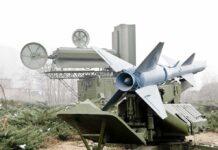
Based on the provided sources, the clearest substantiated claim is that the administration views Iran’s advancing missile and drone capacity as a strategic deadline, not necessarily an imminent launch clock. The research references a warning that Iran could reach a “line of immunity” within roughly 1 to 1.5 years, which helps explain the urgency described by U.S. officials and allied leaders. Still, the research does not include full underlying intelligence, limiting outside verification.
Proxy Retaliation and Regional Spillover Risks
Iran’s proxies remain a key part of the picture. The research describes Hezbollah launching rockets and drones at Israel after the campaign began, triggering Israeli responses. Israeli reporting also notes periods where missile fire slowed and some civilian restrictions were eased, suggesting changing operational pressure. Even if Tehran’s conventional forces are severely degraded, proxy attacks can keep the region unstable and drag out the conflict—exactly the kind of drawn-out threat Americans have watched for decades in the Middle East.
Politically, the research indicates the White House has brushed off reports about weak public support without detailing the underlying polling in the provided materials. That leaves readers with a familiar dynamic: major national security decisions moving at high speed while public debate lags behind events. What is clear from the sources is the administration’s emphasis on decisive force, allied coordination with Israel, and a defined objective of ending Iran’s nuclear and missile threats—an approach sharply different from the Biden-era preference for drawn-out diplomacy and concessions.
Sources:
https://www.foxnews.com/live-news/us-iran-israel-war-latest-march-6
https://www.foxnews.com/politics/trump-rallies-defense-titans-surge-weapons-output-iran-war-rages
https://www.timesofisrael.com/liveblog-march-04-2026/
https://understandingwar.org/research/middle-east/iran-update-evening-special-report-march-1-2026/