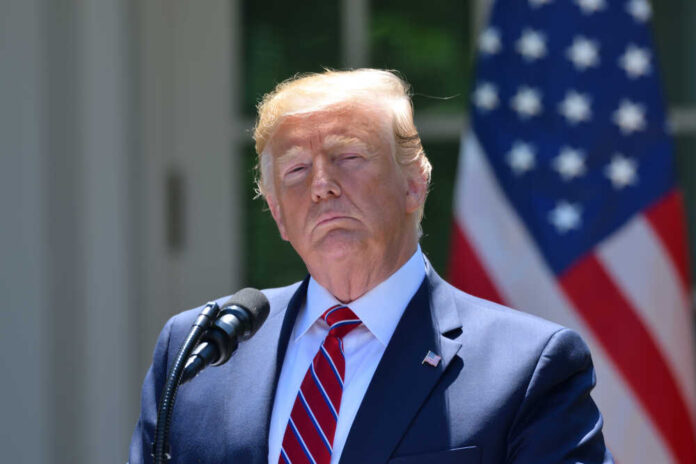
President Trump’s tariff threats against Denmark over Greenland highlight a strategic battle for Arctic dominance, causing international and domestic backlash.
Story Highlights
- Trump demands Denmark sell Greenland to the U.S., citing security concerns.
- Tariffs on Danish goods set to rise unless demands are met.
- European NATO allies oppose U.S. pressure tactics.
- U.S. Republicans and European leaders criticize the move.
Trump’s Bold Greenland Proposal Triggers Tariff Threats
In a dramatic push for Arctic influence, President Donald Trump has demanded that Denmark sell Greenland to the United States. He argues that Denmark cannot adequately protect the territory from potential threats posed by Russia and China, justifying the acquisition as a matter of national security. To enforce this demand, Trump has announced tariffs starting at 10% on goods from Denmark and seven other European NATO allies, escalating to 25% by mid-year unless the sale is agreed upon.
This unprecedented move has strained relations within NATO, as the alliance’s European members have committed troops to Arctic exercises in Greenland, emphasizing shared defense responsibilities. This response undermines Trump’s claim that only U.S. control can secure the territory effectively. The situation has prompted a unified statement from eight affected countries, pledging continued support for Denmark and Greenland’s sovereignty.
Watch: https://m.youtube.com/watch?v=UmosSANzvnI
Historical Context and Strategic Interests
Greenland has been under Danish control since the 18th century and holds significant strategic value due to its location and resources. The U.S. has maintained a military presence there since World War II, underlining its importance in NATO’s collective defense strategy. This latest push by Trump echoes his 2019 proposal, which was also met with resistance from Denmark and international allies.
Arctic geopolitical dynamics have become increasingly tense with the melting of polar ice caps, opening new shipping lanes and revealing untapped resources. Russia and China’s growing interest in the region adds to the complexity, making Greenland’s strategic position even more crucial. Trump’s insistence on U.S. acquisition is seen by many as an overreach, potentially damaging long-standing alliances and inviting further geopolitical instability.
International and Domestic Reactions
Trump’s tariffs and aggressive stance have drawn criticism from both sides of the political spectrum in the U.S. Republican lawmakers have expressed concern over the impact on trade and international relations. European leaders, including the UK Prime Minister, have labeled the tariffs as unjust and harmful to transatlantic relations. The European Union is preparing to meet to coordinate its response, while NATO allies stress the importance of unity and cooperation in Arctic security.
Despite the controversy, Trump remains steadfast in his position, casting the issue as a necessary step for American security and influence. As diplomatic efforts continue, including a planned meeting at Davos with NATO representatives, the international community watches closely, assessing the potential ramifications of this high-stakes geopolitical maneuver.
Sources:
Republicans Denounce Trump’s Greenland Tariff Threat
Trump’s Greenland Standoff with NATO Allies