As Paris erupts in flames and chaos, French authorities scramble to contain nationwide protests that have paralyzed cities and shaken the political establishment.
Story Snapshot
- Coordinated “Block Everything” protests ignited violent unrest across France, disrupting traffic and daily life.
- Protesters set fires, built barricades, and clashed with police, resulting in nearly 300 arrests.
- The unrest coincided with the appointment of a new prime minister, intensifying political turmoil for President Macron’s administration.
- Authorities deployed 80,000 police officers, but public anger and deep divisions remain unresolved.
Coordinated Protests Paralyze France’s Urban Centers
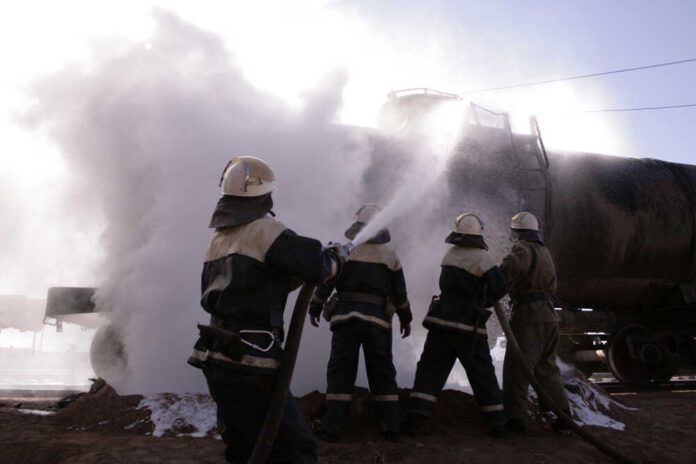
On September 10, 2025, organized protest groups launched the “Block Everything” action, unleashing chaos across Paris and other major French cities. Protesters constructed barricades, set bins, vehicles, and even parts of a restaurant alight, and blocked critical roads to disrupt normal life. French police responded with force, deploying 80,000 officers and using water cannons and tear gas to restore order. Despite these efforts, the day saw nearly 300 arrests and widespread property damage as fires burned well into the evening.
The protests were not spontaneous eruptions but the result of months of careful planning and online mobilization. Organizers leveraged social media to coordinate actions in multiple cities, aiming to overwhelm authorities and attract international attention. This level of coordination echoes the tactics seen in France’s recent protest history, including the Yellow Vests movement that began in 2018. The “Block Everything” slogan underscored protesters’ determination to paralyze key infrastructure and force government concessions.
Watch: https://youtu.be/jZGMy_xA5Os?si=RoQZ_66qZQ1mXkCR
Political Tensions Surge Amid Macron’s Unpopularity
The unrest was fueled by deep-seated frustration with President Emmanuel Macron’s policies, which many citizens view as favoring elites and neglecting social protections. The recent appointment of a new prime minister, intended to signal a reset for Macron’s administration, instead became a flashpoint. Protest groups dismissed the leadership change as superficial, demanding substantive reforms instead of symbolic gestures. Interior Minister Bruno Retailleau provided updates on arrests and police operations but offered no major policy concessions.
France’s tradition of vigorous street protests forms the backdrop for the current crisis. Similar to the Yellow Vests, these demonstrations reflect a broader European backlash against perceived government overreach, economic mismanagement, and policies that erode the middle class. The timing of the unrest, as Europe grapples with cost-of-living pressures and political polarization, amplifies its significance. The episode stands as a cautionary tale for leaders everywhere about the consequences of dismissing grassroots discontent.
Economic and Social Fallout as Authorities Assess Damages
The immediate impact of the protests was felt by urban residents, commuters, and business owners, who faced disruption, property damage, and lost revenue. A bus was torched in Rennes, a power line was sabotaged in the southwest, and train service suffered delays. The economic costs include emergency response expenses, damaged infrastructure, and a further blow to France’s hospitality and retail sectors. Socially, the unrest has deepened polarization and emboldened activist networks, signaling potential for further upheaval if underlying grievances remain unaddressed.
Without meaningful reform, France may see renewed unrest, further challenging the legitimacy of Macron’s administration. For American readers, the situation in France serves as a reminder of the dangers posed by unchecked government power and the importance of listening to the people before crises spiral out of control.
Sources:
https://uk.news.yahoo.com/block-everything-movement-mobilised-protesters-140100073.html
https://trt.global/world/article/8abf3db9d8ff