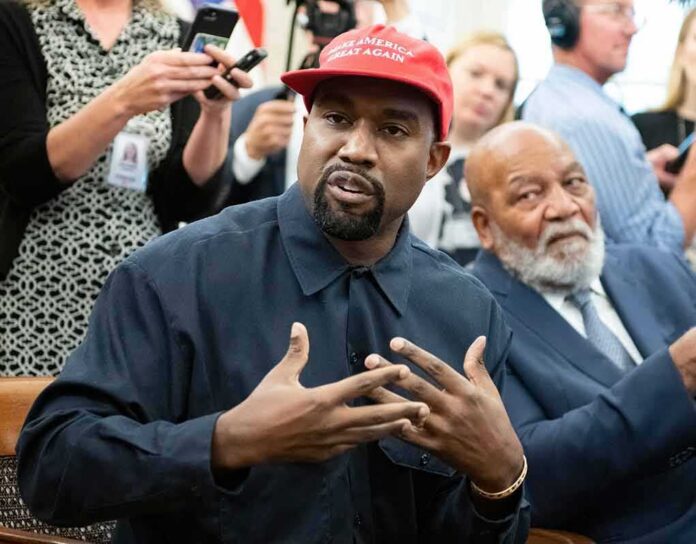
Candace Owens reaffirmed that Ye is her friend and says she will not turn her back on him, even after years of controversy tied to his words and business fallout.
Story Highlights
- Owens has repeatedly called Ye a friend and pledged personal loyalty, on and off camera.
- Reports and interviews outline years of public alignment, defenses, and shared appearances.
- Owens has rejected claims she “advises” Ye while still defending him in key moments.
- The relationship reflects how celebrity-politics ties blur friendship, branding, and risk.
Owens States The Friendship Is Real And Ongoing
Candace Owens publicly described Ye as a personal friend and said the bond remains in place. In a Daily Wire statement, she said, “Ye is my friend… Ye is still my friend,” explaining that some parts of that relationship are private. She also said she would stand by him during intense public pressure. Those comments created a clear record that her support is rooted in loyalty, not a passing media moment.
Owens later repeated that posture in coverage of Ye’s apology for past remarks. She said Ye was like a brother to her and that she would not turn her back on him, even if they do not agree on everything. Those remarks matched her earlier stance and signaled continuity over time. Supporters read it as personal loyalty. Critics saw it as political alignment. The quotes, however, came from Owens herself on the record.
Public Alignment And Shared Moments Shaped Perception
Media reports have traced a steady public association between Owens and Ye. Coverage highlighted shared appearances, interviews, and social moments that kept the duo in the headlines. The Washington Post summarized the tie as part of Ye’s long pattern of news-making partnerships, showing how visibility and controversy often mix with friendship and politics. That lens helps explain why the pairing has drawn attention beyond a typical celebrity friendship.
During corporate fallout over Ye’s words, Owens defended his rights and raised questions about contract fairness. She said the brand that cut ties “better pay Ye,” placing focus on honoring business obligations. That message aligned with a broader conservative view that big companies should not bully people into silence or break deals when speech offends elites. The stance became one of Owens’ most shared statements from that period.
Owens Rejects “Advisor” Label While Defending Ye
A high-profile entertainment report claimed Owens and Ye coordinated messaging and suggested she influenced him. Owens pushed back and said it was false to say she worked as an advisor or planned his actions. Her denial drew a line between private friendship and professional control. That distinction matters because it separates moral support from strategic direction, even as the public often merges the two in celebrity-politics coverage.
Owens’ interviews added texture to that boundary. In one appearance, she offered a defense of Ye as a person while discussing pain, conflict, and the cost of fame. Her framing did not erase his words but argued that context and personal struggle matter. For conservatives who value redemption and free speech, the point was simple: defend the person’s dignity while arguing ideas in public. That balance helped her audience understand her stance, even if they disagreed with Ye.
Why This Alliance Still Matters In 2026
The Owens–Ye relationship shows how modern fame blurs lines between friendship, politics, and branding. High-visibility pairings can amplify shared messages and trigger backlash. When pressure mounts, the choice is stark: cut ties to save face, or keep faith with a friend. Owens chose loyalty in public view. That decision has costs, but it also sends a signal about standing firm when outrage cycles demand a quick exit.
For readers watching the culture fight, the takeaways are practical. First, friendship does not equal agreement. Second, debate should not erase due process, contracts, or basic respect. Third, media storms reward heat, not light, which is why clarity from the people involved matters most. Owens put her position on record. She calls Ye a friend, rejects the “advisor” tag, and defends fair treatment in business and speech. Those are the facts of her stand today.
Sources:
jns.org, tmz.com, ibtimes.co.uk